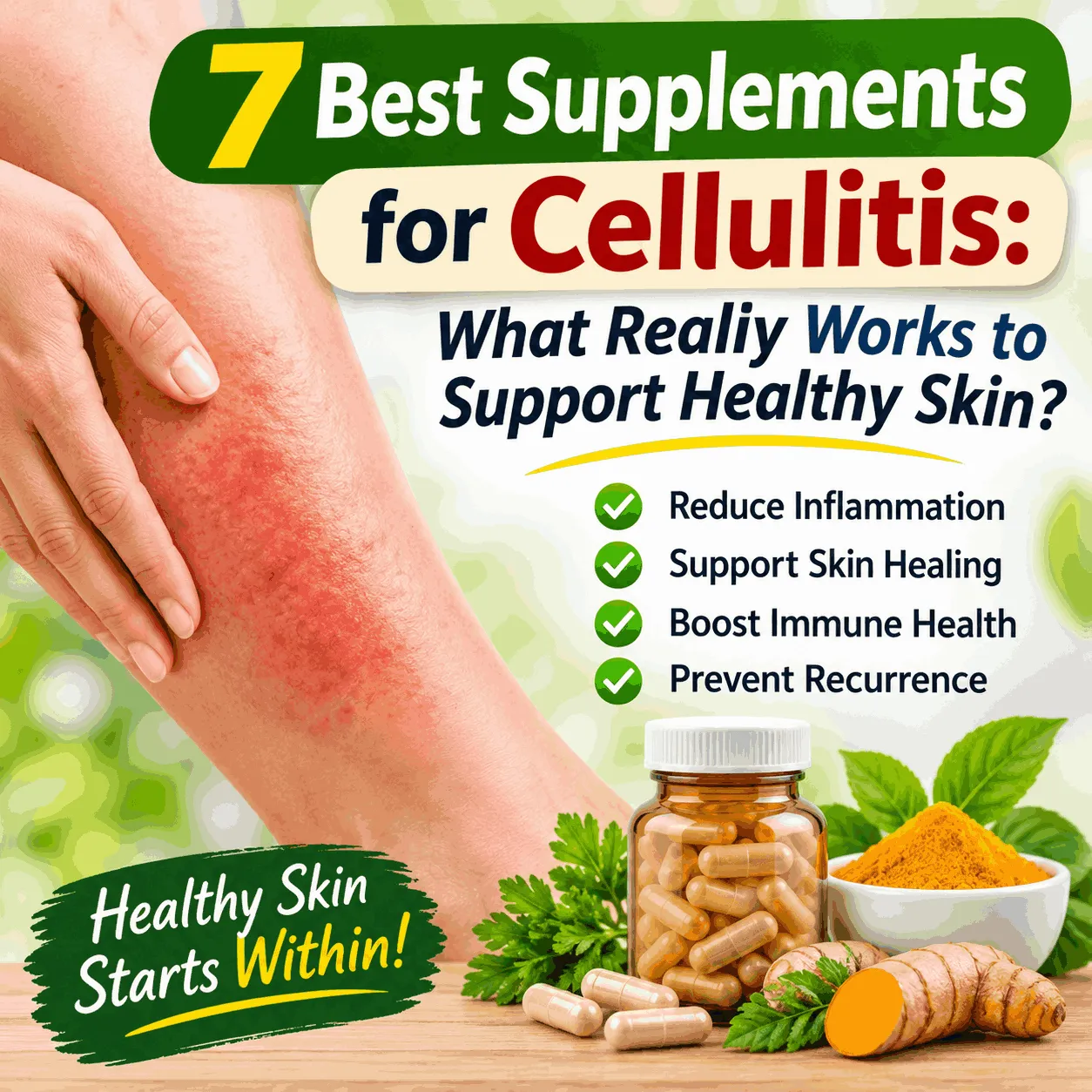
Cellulitis is a common bacterial skin infection that affects the deeper layers of the skin and the tissues underneath. It usually develops when bacteria enter the body through a cut, wound, insect bite, cracked skin, or other breaks in the skin barrier. Symptoms may include redness, swelling, warmth, tenderness, and pain in the affected area. In some cases, people may also experience fever, chills, and general weakness.
When dealing with cellulitis, getting the right medical treatment is essential. Antibiotics are the primary treatment for bacterial cellulitis, and delaying treatment can allow the infection to spread. However, maintaining good nutrition and supporting the body's natural healing processes may also play a role in overall skin health.
This is where Supplements for Cellulitis may attract attention. Certain vitamins, minerals, and other nutrients help maintain normal immune function, support collagen production, and protect skin cells from oxidative stress. Although these supplements cannot cure cellulitis or replace prescribed antibiotics, they may help address nutritional deficiencies that can affect skin health and recovery.
In this article, we explore seven supplements that may support healthy skin, explain what scientific evidence says about them, and discuss how to use them safely.
1. Vitamin C: Supports Collagen Production and Skin Repair
Vitamin C is one of the most important nutrients for maintaining healthy skin and supporting normal wound healing. It acts as an antioxidant, helping protect cells from oxidative damage caused by free radicals. It also plays an essential role in producing collagen, a protein that gives skin its strength, structure, and elasticity.
For people recovering from cellulitis, getting enough vitamin C can help support the body's normal tissue repair processes. It also contributes to healthy immune system function, which is important when the body is responding to an infection.
Potential benefits include:
·Supports collagen formation.
·Helps maintain healthy skin tissue.
·Contributes to normal immune function.
·Supports wound healing when vitamin C intake is inadequate.
Good dietary sources include oranges, lemons, strawberries, kiwi, bell peppers, broccoli, and tomatoes.
Vitamin C supplements may be worth considering if your diet does not provide enough of this nutrient. However, high doses are not proven to eliminate bacterial infections or speed up cellulitis recovery. Consult a healthcare professional before taking large amounts, particularly if you have kidney problems or a history of kidney stones.
2. Zinc: Supports Immune Function and Wound Healing
Zinc is an essential mineral involved in numerous biological processes, including immune system activity, cell growth, and tissue repair. It helps the body maintain healthy skin and supports the normal functioning of immune cells.
Adequate zinc intake is particularly important when the body is repairing damaged skin. A zinc deficiency may interfere with normal wound healing and immune responses.
This makes zinc one of the potentially useful Supplements for Cellulitis when someone has insufficient dietary zinc or a confirmed deficiency.
Potential benefits include:
·Supports normal immune system function.
·Helps maintain skin integrity.
·Contributes to cell growth and repair.
·Supports normal wound healing.
You can obtain zinc through foods such as pumpkin seeds, chickpeas, lentils, meat, seafood, dairy products, and nuts.
Zinc supplements should be taken carefully. Excessive intake can cause nausea, stomach discomfort, and copper deficiency. Zinc can also interact with certain antibiotics, so ask your pharmacist or doctor about the appropriate timing if you are receiving cellulitis treatment.
3. Vitamin D: Helps Maintain Normal Immune Function
Vitamin D is widely recognized for its role in maintaining healthy bones, but it also contributes to normal immune system function. It helps regulate several immune processes that allow the body to respond appropriately to infections.
Low vitamin D levels have been associated with various health concerns, and maintaining adequate levels is important for general well-being. However, there is currently insufficient evidence to suggest that vitamin D supplements directly treat cellulitis or prevent its recurrence.
For individuals with a vitamin D deficiency, supplementation may help restore normal levels and support overall health.
Potential benefits include:
·Supports normal immune responses.
·Helps maintain healthy bones and muscles.
·Contributes to general cellular health.
·Corrects vitamin D deficiency.
Natural sources include sunlight exposure, oily fish, egg yolks, and fortified foods. Vitamin D3 supplements are another option when recommended by a healthcare professional.
Avoid taking excessive amounts because too much vitamin D can cause calcium levels to become dangerously high. A healthcare professional can advise whether testing or supplementation is appropriate.
4. Omega-3 Fatty Acids: Support Overall Skin Health
Omega-3 fatty acids are essential fats that play an important role in maintaining overall health. They are involved in normal cell membrane function and help regulate several processes associated with inflammation.
Healthy skin depends partly on maintaining an adequate supply of essential fatty acids. Omega-3s may support skin hydration and normal inflammatory responses, although research does not establish them as a treatment for bacterial cellulitis.
Some research involving chronic wounds suggests that omega-3 supplementation may have potential benefits for tissue healing. However, chronic wound research cannot be directly applied to acute bacterial skin infections.
Potential benefits include:
·Supports normal cell function.
·Helps maintain healthy skin.
·Contributes to normal inflammatory regulation.
·Provides essential fatty acids.
Food sources include salmon, sardines, mackerel, walnuts, flaxseeds, and chia seeds.
Fish oil or algae-based omega-3 supplements may be options for people who do not regularly consume these foods. If you take blood-thinning medication or have a bleeding disorder, discuss omega-3 supplementation with your healthcare provider first.
5. Vitamin A: Supports Skin Cell Growth and Maintenance
Vitamin A is another important nutrient for maintaining healthy skin. It supports normal cell growth, tissue development, and immune system function.
Healthy skin cells form an important protective barrier that helps prevent bacteria and other harmful microorganisms from entering the body. Maintaining this barrier is especially important for people who experience dry, cracked, or damaged skin.
Vitamin A contributes to normal skin maintenance and helps support the body's natural tissue renewal processes. However, taking additional vitamin A does not directly treat an existing cellulitis infection.
Potential benefits include:
·Supports normal skin cell development.
·Helps maintain the skin's protective barrier.
·Contributes to normal immune function.
·Supports healthy tissue maintenance.
Foods rich in vitamin A include carrots, sweet potatoes, spinach, kale, eggs, and dairy products.
Vitamin A supplements require particular caution because excessive amounts of preformed vitamin A can be toxic. High doses are especially concerning during pregnancy. It is generally better to obtain vitamin A from a balanced diet unless supplementation is medically recommended.
6. Probiotics: Support Gut Health and Immune Balance
Probiotics are live microorganisms that, when taken in adequate amounts, may provide certain health benefits. They are commonly associated with digestive health, but researchers are also studying their relationship with immune system activity.
The gut contains a complex community of microorganisms that interacts with the body's immune system. Maintaining a balanced gut microbiome is one aspect of supporting general health.
Some studies have explored probiotics and their potential role in wound healing and immune regulation. Nevertheless, there is no strong clinical evidence that probiotics can prevent, cure, or directly treat cellulitis.
Potential benefits include:
·Supports digestive health.
·Helps maintain a balanced gut microbiome.
·May influence normal immune responses.
·May have benefits in certain wound-healing contexts.
Probiotic-rich foods include yogurt with live cultures, kefir, and certain fermented vegetables. Supplements are also available in different bacterial strains and formulations.
People with severely weakened immune systems or serious underlying illnesses should consult their doctors before using probiotic supplements because certain products may carry additional risks.
7. Protein Supplements: Provide Building Blocks for Tissue Repair
Protein is essential for maintaining and repairing body tissues. It provides amino acids that the body uses to produce collagen, enzymes, antibodies, and other important substances.
When skin becomes damaged, the body requires adequate protein to support tissue maintenance and repair. People who do not consume enough protein may have difficulty meeting their nutritional needs during recovery.
Although protein supplements are not cellulitis treatments, they may be useful for individuals who struggle to obtain sufficient protein through regular meals.
Potential benefits include:
·Supplies amino acids for tissue repair.
·Supports collagen production.
·Contributes to normal immune function.
·Helps maintain muscle and overall nutritional health.
Good protein sources include eggs, chicken, fish, milk, yogurt, beans, lentils, and soy products.
Whey protein, soy protein, and other protein powders can provide additional dietary protein when needed. However, people with kidney disease or other conditions requiring protein restrictions should seek medical advice before using these products.
How to Choose the Right Supplements for Cellulitis
Choosing supplements should depend on your nutritional needs, existing health conditions, and medical advice rather than simply purchasing several products marketed for skin infections.
Not everyone needs all seven supplements. In fact, people who already eat a balanced diet may obtain sufficient vitamins, minerals, and protein through food.
Here are a few practical considerations:
1.Identify nutritional deficiencies: A healthcare professional can help determine whether you have a deficiency that needs attention.
2.Choose quality products: Look for reputable manufacturers, clear ingredient lists, and appropriate quality testing.
3.Avoid excessive doses: More vitamins and minerals do not necessarily mean better health.
4.Check medication interactions: Some supplements can interfere with prescription medicines, including antibiotics.
5.Prioritize a balanced diet: Whole foods provide a combination of nutrients that supplements cannot completely replace.
The most effective approach is to use supplements only when they address a genuine nutritional need.
Herbal Remedies for Cellulitis: Are They Effective?
Many people explore plant-based ingredients and traditional remedies to support healthy skin. Herbal Remedies for Cellulitis are often discussed as natural options because certain herbs contain antioxidants and other compounds that may support general skin health.
However, it is important to understand that herbal products have not been proven to eliminate the bacteria responsible for cellulitis. They should never replace antibiotics or delay medical treatment.
Some commonly discussed herbal ingredients include:
·Turmeric: Contains curcumin, a plant compound studied for its antioxidant and anti-inflammatory properties.
·Aloe vera: Commonly used in skincare products to moisturize and soothe dry skin. It should not be applied to infected wounds without medical advice.
·Green tea: Contains polyphenols and antioxidants that are studied for their potential skin-health benefits.
·Calendula: Used in some topical skincare formulations, although evidence for treating cellulitis is insufficient.
These ingredients may have applications in general skincare, but none should be considered a proven treatment for an active bacterial infection. Avoid applying herbal preparations, essential oils, or homemade mixtures to infected or broken skin without consulting a healthcare professional.
Natural Treatment for Cellulitis: Healthy Habits That Support Recovery
A Natural Treatment for Cellulitis should focus on supporting medical treatment rather than replacing it. Healthy daily habits can help maintain skin integrity and support the body's normal recovery processes.
Consider the following practices:
1. Stay hydrated: Drink enough water throughout the day to prevent dehydration and support normal bodily functions.
2. Eat nutritious meals: Include fruits, vegetables, whole grains, healthy fats, and protein-rich foods in your diet.
3. Keep your skin clean: Gently clean the affected area according to your healthcare provider's instructions.
4. Moisturize healthy skin: Regular moisturizing helps prevent dryness and cracking, which can create opportunities for bacteria to enter the skin.
5. Elevate the affected area: If cellulitis affects your arm or leg, raising it when resting may help reduce swelling.
6. Follow your treatment plan: Take prescribed antibiotics exactly as directed and attend follow-up appointments.
These habits can contribute to general skin health and recovery, but they cannot independently clear a bacterial infection.
Can Herbal Care Products Help Maintain Healthy Skin?
Choosing suitable Herbal Care Products may be part of a general skincare routine. Products containing gentle moisturizing ingredients can help maintain skin hydration and reduce dryness.
For example, fragrance-free moisturizers and mild cleansers can help protect the skin barrier. People with eczema, cracked skin, or recurring skin irritation may benefit from discussing an appropriate skincare routine with a dermatologist.
However, herbal creams, oils, and topical supplements should not be used as substitutes for medical cellulitis treatment. Avoid applying unapproved products directly to infected areas, particularly if the skin is blistered, broken, or painful.
If you experience irritation after using a skincare product, stop using it and seek professional advice.
When Should You Seek Medical Attention?
Cellulitis can become serious if it is not treated promptly. Recognizing its symptoms and getting medical attention early are essential.
Contact a healthcare professional urgently if you notice:
·Redness that spreads across the skin.
·Increasing swelling or tenderness.
·Skin that feels unusually warm.
·Pain around an affected area.
·Blisters or changes in skin appearance.
Seek emergency medical attention if you develop a high fever, chills, rapid breathing, a fast heartbeat, dizziness, confusion, or purple patches on the skin.
If you have already started antibiotics, contact your healthcare provider if symptoms worsen at any time or fail to begin improving within two to three days. Do not stop prescribed antibiotics simply because your skin starts looking better.
Frequently Asked Questions (FAQs)
1. Can supplements cure cellulitis?
No. Supplements cannot cure bacterial cellulitis. Antibiotics prescribed by a healthcare professional are the primary treatment. Nutritional supplements may support general health when deficiencies are present.
2. Which vitamin is best for skin recovery?
Vitamin C is particularly important because it supports collagen production and normal wound healing. However, adequate overall nutrition is more important than relying on one vitamin.
3. Can zinc help with cellulitis?
Zinc supports normal immune function, cell growth, and wound healing. Correcting a zinc deficiency may support recovery, but zinc does not directly kill the bacteria responsible for cellulitis.
4. Are herbal remedies safe for cellulitis?
Some herbal ingredients may be suitable for general skincare, but they have not been proven to treat cellulitis. Avoid applying unapproved herbal preparations to infected or broken skin.
5. How can I prevent cellulitis from returning?
Keep your skin clean and moisturized, promptly care for cuts and wounds, treat fungal infections such as athlete's foot, and manage underlying conditions that cause swelling or skin damage. If cellulitis keeps returning, consult your healthcare provider about additional preventive measures.
Final Thoughts
Maintaining healthy skin requires a combination of good nutrition, appropriate skincare, and timely medical attention. Vitamin C, zinc, vitamin D, omega-3 fatty acids, vitamin A, probiotics, and protein can all contribute to different aspects of general health and normal skin maintenance.
The best Supplements for Cellulitis are not necessarily the ones with the most ingredients or highest doses. Instead, supplementation should address individual nutritional needs and support the body's natural healing processes.
Remember that no supplement or herbal remedy has been proven to cure cellulitis. Antibiotics remain the primary treatment for this bacterial infection. By combining appropriate medical care with a balanced diet, healthy lifestyle habits, and proper skincare, you can take meaningful steps toward maintaining healthier skin and supporting recovery.






Responses (0)