Introduction
User-generated content (UGC) has become an important part of modern digital marketing. Brands increasingly use authentic-looking videos, customer experiences, product demonstrations, and creator content to connect with their target audiences.
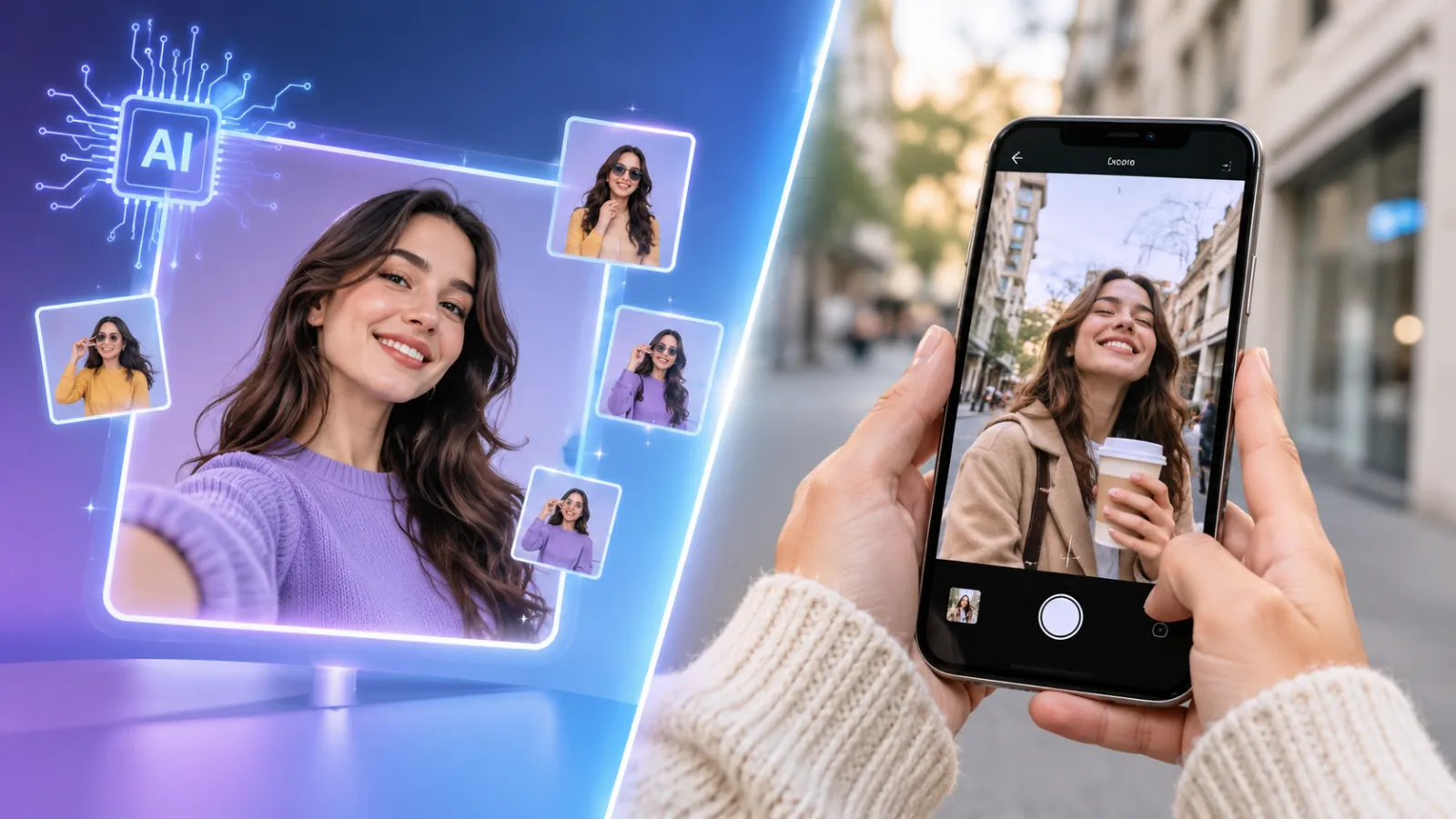
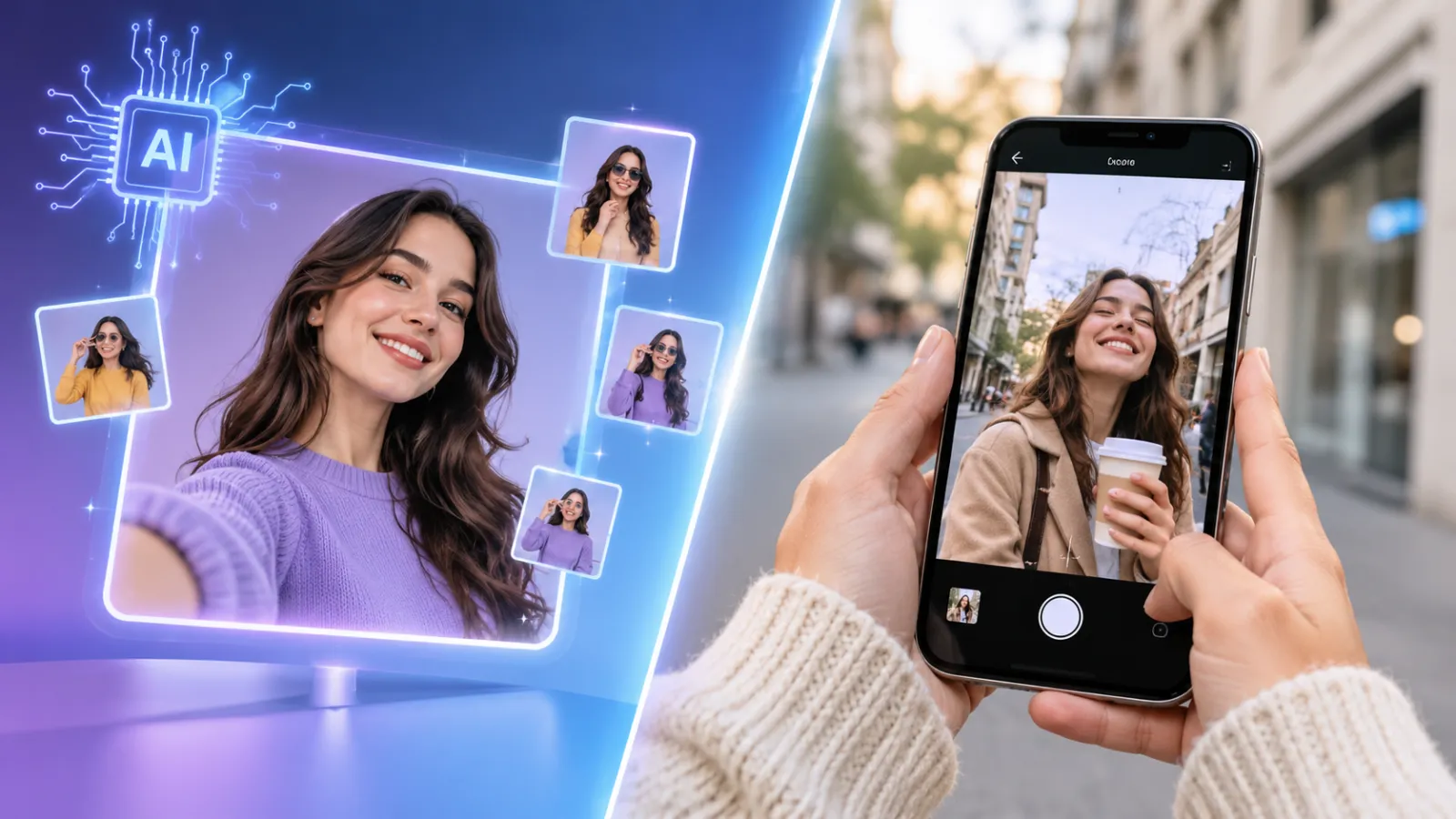
With the development of artificial intelligence, a new approach has emerged: AI UGC. Businesses can now create creator-style video advertisements using AI-generated presenters, digital avatars, synthetic voiceovers, and advanced video production tools.
This development has created an important question for marketers: AI UGC vs traditional UGC – which is better for modern brands?
Both approaches offer unique advantages. Traditional UGC focuses on real people sharing genuine experiences, while AI UGC provides businesses with greater creative flexibility and opportunities to scale video production.
In this article, we will compare AI UGC and traditional UGC, explore their benefits and limitations, and explain how businesses can choose the right approach for their marketing strategies.
What Is Traditional UGC?
Traditional user-generated content refers to content created and shared by real customers, users, or independent creators about a product, service, or brand.
It commonly includes:
- Customer review videos
- Product unboxing videos
- Personal product experiences
- Video testimonials
- Product demonstrations
- Social media recommendations
For example, a customer purchasing a skincare product might record a video showing how they use it and share their personal experience on Instagram or TikTok.
Brands can request permission to reuse this content in their advertising campaigns.
The biggest advantage of traditional UGC is its human element. Real customers can share their genuine opinions, personal experiences, and product feedback, helping potential buyers understand how a product works in real situations.
For more information about user-generated content, explore Nielsen's research and insights.
What Is AI UGC?
AI UGC refers to creator-style promotional videos produced with the assistance of artificial intelligence.
Instead of recording every video with a human creator, businesses can use AI tools to generate digital presenters, synthetic voiceovers, scripts, and video scenes.
AI UGC videos are commonly used for:
- Product advertisements
- Social media video campaigns
- E-commerce promotions
- Brand awareness campaigns
- Product explainers
- Promotional videos
For example, an online store can create an AI presenter video explaining the features of a product without organizing a traditional filming session.
AI-generated presenters can deliver promotional scripts in different languages, styles, and formats.
However, AI-generated promotional content should not be presented as genuine customer testimonials or real product experiences. Brands should clearly communicate when content is synthetic where required.
AI UGC vs Traditional UGC: Key Differences
Although both approaches aim to engage audiences through creator-style video content, their production processes and capabilities are different.
The right choice depends on your business goals, audience expectations, budget, and advertising strategy.
1. Production Cost: Which Is More Affordable?
Production cost is an important consideration for businesses planning regular social media advertising campaigns.
Traditional UGC production may involve:
- Finding suitable content creators
- Paying creator fees
- Shipping products
- Organizing filming
- Editing and post-production
- Managing revisions and approvals
These activities can increase production costs, particularly when a business needs multiple video advertisements.
AI UGC can simplify some of these processes by using AI-generated presenters, scripts, voiceovers, and video editing workflows.
Businesses can potentially create several creative variations without arranging a separate filming session for every advertisement.
However, AI production still involves software subscriptions, editing time, creative direction, and quality control.
Winner: AI UGC can be more cost-efficient for businesses that regularly need multiple video advertising variations.
2. Production Speed: How Quickly Can Brands Create Videos?
Speed matters in digital marketing because advertising trends, product launches, and seasonal campaigns often require quick creative production.
Traditional UGC requires coordination between brands and creators. Creators need time to understand the product, record videos, make revisions, and deliver final content.
AI UGC can shorten some of these steps.
For example, a business can develop multiple video concepts using different AI presenters, scripts, and visual styles within a streamlined production workflow.
This can be particularly useful for businesses running frequent promotional campaigns.
However, faster production does not automatically mean better performance. Every video still requires review, editing, and testing.
Winner: AI UGC generally offers an advantage in production speed and creative iteration.
3. Authenticity and Audience Trust
Authenticity is one of the biggest reasons brands use traditional UGC.
When real customers share their experiences, viewers can see actual product interactions and hear genuine opinions.
This type of content can help establish trust because the message comes from someone who has genuinely used the product.
AI UGC has a different strength. It offers creative flexibility and can produce professional-looking promotional content, but synthetic presenters do not have genuine personal product experiences.
Brands should avoid using AI-generated people to make fabricated testimonials or misleading product claims.
A balanced strategy is to use AI for promotional storytelling and real customers for genuine reviews and testimonials.
Winner: Traditional UGC has the advantage when genuine customer experiences and credibility are the main priorities.
4. Scalability: Creating More Content for Advertising Campaigns
Modern brands often need multiple video creatives to test different marketing messages and reach different audience segments.
Traditional UGC production can become difficult to scale because each new video may require additional creators, filming sessions, and coordination.
AI UGC offers more flexibility.
Businesses can create different versions of promotional videos by changing:
- Video scripts
- AI presenters
- Backgrounds
- Languages
- Product messaging
- Visual styles
- Advertising concepts
This makes AI UGC particularly useful for brands that regularly test new advertising creatives.
For example, an e-commerce business promoting a product in several markets could develop different video variations for different audiences.
Winner: AI UGC offers a scalability advantage for businesses that need a large volume of creative content.
5. Personalization and Multilingual Marketing
Businesses targeting international audiences often need video content in multiple languages.
Traditional UGC may require working with creators who speak different languages and understand local audience preferences.
AI-powered video production can help simplify multilingual content creation through voice generation, dubbing, subtitles, and localization workflows.
A business can adapt its promotional message for different markets while maintaining consistent branding.
However, language translation alone is not enough. Brands should also consider cultural context, pronunciation, local expressions, and audience expectations.
Winner: AI UGC can make multilingual creative production more flexible and efficient.
6. Creative Control and Brand Consistency
Maintaining a consistent brand identity across advertising campaigns is important for businesses.
Traditional creators bring their own personalities, communication styles, and presentation approaches. This can make UGC feel natural, but the final content may vary from creator to creator.
AI UGC allows businesses to exercise greater control over scripts, visual styles, backgrounds, and messaging.
Brands can also develop reusable creative templates for different products and campaigns.
However, excessive scripting and overly polished visuals can make AI UGC advertisements feel artificial.
The best approach is to maintain brand consistency without sacrificing natural communication.
Winner: AI UGC generally provides greater control over creative production and brand consistency.
7. Which Is Better for E-commerce Brands?
E-commerce businesses can benefit from both AI UGC and traditional UGC.
Traditional UGC is useful for showing genuine customer experiences, product reviews, unboxing videos, and real-life product demonstrations.
AI UGC can support promotional campaigns, product storytelling, advertising variations, and multilingual marketing.
For example, an online fashion store could use real customer videos to demonstrate how clothing fits while using AI-generated promotional videos to highlight new collections.
Similarly, a technology brand could use genuine customer feedback alongside AI-created product explainer videos.
Combining both approaches can create a more balanced content strategy.
8. Which Is Better for Small Businesses and Startups?
Small businesses often operate with limited marketing budgets and resources.
Traditional UGC can be valuable, but consistently producing new videos may require ongoing creator coordination and expenses.
AI UGC offers an alternative for businesses that need promotional videos without arranging a new filming session for every creative concept.
Startups can use AI-powered video production to explore different messaging styles, product promotions, and social media advertising concepts.
However, businesses should still invest in genuine customer relationships and authentic reviews.
AI-generated videos should support the brand's communication rather than replace real customer experiences.
Can Brands Combine AI UGC and Traditional UGC?
Absolutely. In fact, a hybrid content strategy can offer some of the strongest advantages of both approaches.
Here is how businesses can combine them:
1. Use Traditional UGC for Customer Testimonials
Real customers can share genuine experiences and feedback about products and services.
2. Use AI UGC for Promotional Videos
AI-generated presenters can communicate product features, introduce offers, and explain brand benefits.
3. Use AI for Creative Variations
Businesses can experiment with different scripts, languages, and advertising concepts.
4. Use Real Product Demonstrations
Show actual products in use rather than relying entirely on synthetic visuals.
5. Test Both Content Formats
Compare advertising performance to understand which creative approaches generate better engagement and conversions.
This approach allows brands to benefit from AI production flexibility while maintaining the trust associated with genuine customer content.
How to Choose the Right AI UGC Video Production Partner
Businesses interested in AI-powered video advertising should consider several factors before selecting a production partner.
Look for a provider that offers:
- Professional AI video production
- High-quality AI presenters and voiceovers
- Custom advertising scripts
- Product-focused video storytelling
- Social media advertising formats
- Multilingual video production
- Consistent branding and editing
- Quality control and content revisions
A reliable production partner should understand your target audience, marketing objectives, and brand identity instead of simply generating generic AI videos.
Businesses should also review the provider's portfolio, production quality, communication process, and ability to deliver content that matches their advertising goals.
For businesses looking to explore professional AI-powered advertising creatives, AI Video Agency offers AI video production solutions designed to help brands create engaging promotional content and AI UGC-style video advertisements.
Conclusion
The debate between AI UGC and traditional UGC is not necessarily about choosing one over the other. Both approaches serve different purposes in modern digital marketing.
Traditional UGC remains valuable for genuine customer experiences, authentic testimonials, and real product demonstrations.
AI UGC provides businesses with greater flexibility in creative production, faster content development, and opportunities to scale promotional campaigns.
For modern brands, the most effective strategy may be a combination of both.
By understanding their audience, selecting the right content format, and continuously testing different creative approaches, businesses can develop more effective video advertising strategies.
As AI video production continues to evolve, brands that combine technological innovation with authentic communication will be better positioned to create meaningful connections with their audiences.
Frequently Asked Questions (FAQs)
1. What is the main difference between AI UGC and traditional UGC?
AI UGC uses artificial intelligence to create creator-style promotional videos, while traditional UGC is produced by real customers or creators sharing genuine experiences.
2. Is AI UGC better than traditional UGC?
Neither is universally better. AI UGC is useful for scalable promotional content, while traditional UGC is particularly valuable for authentic customer experiences and testimonials.
3. Can AI UGC videos be used in Facebook and Instagram ads?
Yes. AI-generated video creatives can be used in social media advertising, provided they comply with the platform's advertising policies and applicable disclosure requirements.
4. Is AI UGC cheaper than traditional UGC?
AI UGC can reduce certain production costs, especially when creating multiple video variations. However, software, editing, creative development, and quality assurance still involve costs.
5. Do AI UGC videos look realistic?
Modern AI video tools can produce realistic-looking presenters and scenes. However, quality varies depending on the technology, production process, and editing.
6. Can AI UGC replace human content creators?
AI UGC can support certain promotional production tasks, but it does not fully replace the creativity, personal experiences, and genuine opinions of human creators.
7. Which industries can benefit from AI UGC videos?
E-commerce, beauty, fashion, technology, SaaS, education, fitness, and consumer brands can all explore AI UGC for promotional video content.
8. Where can businesses get professional AI UGC videos?
Businesses can work with specialized AI video production agencies to create promotional videos, AI UGC-style advertisements, and other marketing content tailored to their brand.






Responses (0)