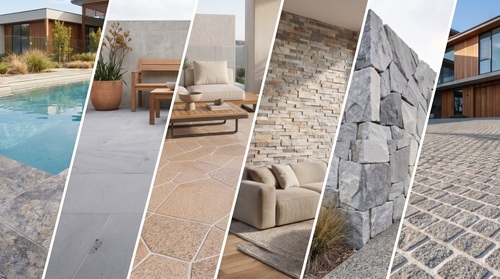
Introduction: Designing Outdoors with Purpose
An inviting outdoor space begins with more than attractive paving. It requires materials that complement the home's architecture, suit the local environment and support the way people use the area. From relaxed alfresco dining to landscaped pathways and poolside entertaining, the paving you choose influences both the appearance and functionality of the finished project.
Natural stone remains a popular choice because its individual patterns, textures and colour variations create a connection between the built environment and nature. However, selecting the right stone requires careful consideration of exposure conditions, surface finish, drainage, installation and maintenance.
For Australian homeowners planning an outdoor renovation, understanding the differences between natural stone options can make the selection process more practical and rewarding.
1. Look Beyond Colour When Choosing Outdoor Paving
It is tempting to begin a paving project by choosing a colour that matches the house. Although appearance matters, the first step should be identifying the conditions in which the material will be used.
A covered patio may have different requirements from an exposed garden path. Pool surrounds need particular attention to slip resistance and barefoot comfort, while driveways require a product and installation system suitable for vehicle loads.
Before purchasing paving, consider:
- Exposure to direct sunlight, rain and moisture.
- The expected level of foot or vehicle traffic.
- Drainage and the condition of the existing base.
- The desired surface texture and overall design.
- Cleaning, sealing and ongoing maintenance requirements.
These details help you compare materials based on their suitability rather than appearance alone.
2. Travertine Pavers: Bringing Natural Character to Outdoor Living
Travertine is valued for its earthy tones, distinctive surface patterns and ability to complement a wide range of architectural styles. Its natural appearance works particularly well in outdoor entertaining areas, patios and selected poolside applications.
When evaluating travertine pavers, consider the colour variation, surface finish, thickness and intended use. Different products can have different characteristics, so it is important to confirm that the selected finish is suitable for the project's exposure and traffic conditions.
Travertine can work beautifully alongside timber furniture, garden greenery and neutral exterior finishes. Lighter tones may help create an open, relaxed atmosphere, while warmer shades can introduce depth and contrast.
For pool surrounds, do not rely on colour or appearance to determine safety. Ask for relevant slip-resistance information for the specific product and finish, and confirm that the proposed installation meets applicable requirements.
Another important consideration is maintenance. Ask the supplier about appropriate cleaning products, sealing recommendations and care procedures before installation. These details help you understand the ongoing responsibilities associated with your chosen stone.
3. Limestone Pavers: A Refined Foundation for Outdoor Design
For homeowners who prefer a more understated aesthetic, limestone offers another natural stone option. Its subtle colours and organic texture can complement contemporary homes, traditional architecture and carefully landscaped gardens.
Limestone pavers can be considered for patios, courtyards, garden pathways and other suitable outdoor areas, provided the specific product meets the project's technical requirements.
One of limestone's design advantages is its versatility. It can create a cohesive appearance when paired with rendered walls, timber features, neutral outdoor furniture and established planting. Consistent paving tones may also help connect different sections of a garden or entertaining area.
However, limestone products vary in porosity, strength, finish and suitability for different environments. Before selecting a product, discuss its recommended applications, moisture exposure, cleaning requirements and sealing options with the supplier.
For areas exposed to frequent water, pool chemicals or heavy traffic, obtain product-specific guidance rather than assuming that all limestone performs in the same way.
4. How to Decide Between Travertine and Limestone
Both materials can contribute to an attractive outdoor design, but the right choice depends on the project's priorities and the characteristics of the available products.
Travertine may appeal to homeowners looking for a distinctive, textured appearance with naturally occurring surface details. Limestone may be preferred when the design calls for a comparatively restrained, consistent visual palette.
Neither option is automatically better for every outdoor application. The finish, product specifications, installation method and environmental conditions all influence suitability.
A practical comparison should include the following:
- Appearance: Compare actual samples in the lighting conditions of your property.
- Surface finish: Check whether the finish is suitable for the intended use, particularly in wet areas.
- Technical suitability: Review relevant product specifications and recommendations.
- Maintenance: Understand the cleaning and sealing requirements before purchasing.
- Total cost: Include delivery, installation, preparation, cutting and potential wastage.
Requesting samples or inspecting multiple pieces can help you understand natural variation before committing to a large quantity.
5. Australian Weather and Installation Matter
Outdoor paving needs to perform under the conditions of its particular location. Depending on the region, Australian projects may experience strong sunlight, seasonal rainfall, temperature changes, coastal exposure or prolonged moisture.
The stone itself is only one part of the overall system. Proper site preparation, suitable bedding, drainage and joint detailing are essential considerations when planning a durable installation.
Before work begins, confirm that the selected stone is appropriate for the site and that the installation method follows the supplier's guidance. Pool areas, driveways and other demanding applications may require additional technical checks and compliance with relevant Australian requirements.
An experienced installer can help assess the site, identify potential drainage issues and determine the appropriate preparation for the selected material.
6. Budget for the Entire Paving Project
Comparing prices per square metre is useful, but it does not provide the complete picture of project cost.
Your budget should account for the quantity of stone required, delivery, excavation, base preparation, drainage, installation, cutting, wastage and any recommended sealing. Complex layouts and irregular paving patterns may also affect labour requirements.
Measure the area carefully and ask your supplier or installer to help determine the required quantity. Discuss availability, finishes and delivery arrangements early to reduce the risk of delays.
Stone Planet is an Australian natural stone supplier offering a range that includes travertine, limestone, marble, granite, sandstone and bluestone. Its wholesale-pricing approach is designed to give homeowners as well as trade professionals access to wholesale prices.
You can explore the available natural stone options at https://stoneplanet.com.au/ and compare products for your intended project.
7. Questions to Ask Before Ordering Natural Stone
A little preparation can make purchasing easier and help avoid misunderstandings once installation begins.
Before placing an order, ask:
- Is this particular stone suitable for my intended application?
- What surface finish and thickness are recommended?
- Is relevant slip-resistance information available for wet areas?
- What base preparation and installation methods are required?
- Does the product need sealing, and what care is recommended?
- How much material should I allow for cuts and wastage?
- What are the delivery arrangements and expected lead times?
Clear answers allow you to compare products fairly and make decisions based on your project's actual needs.
Where technical performance is important, request product documentation and consult an appropriately qualified professional. This is particularly relevant for pool surrounds, driveways and other areas with specific loading, drainage or safety requirements.
Conclusion: Make Your Paving Choice Work for the Long Term
Natural stone can bring individuality and lasting visual appeal to an outdoor space, but a successful result depends on choosing a suitable product and planning the installation carefully.
Travertine and limestone each offer distinct design possibilities. By comparing their appearance, technical characteristics, maintenance requirements and overall project costs, homeowners can make a more informed decision.
Take time to assess the site, inspect samples, understand the installation requirements and seek product-specific advice before purchasing. With careful planning, your outdoor paving can complement your home and support the way you enjoy the space for years to come.


Responses (0)