
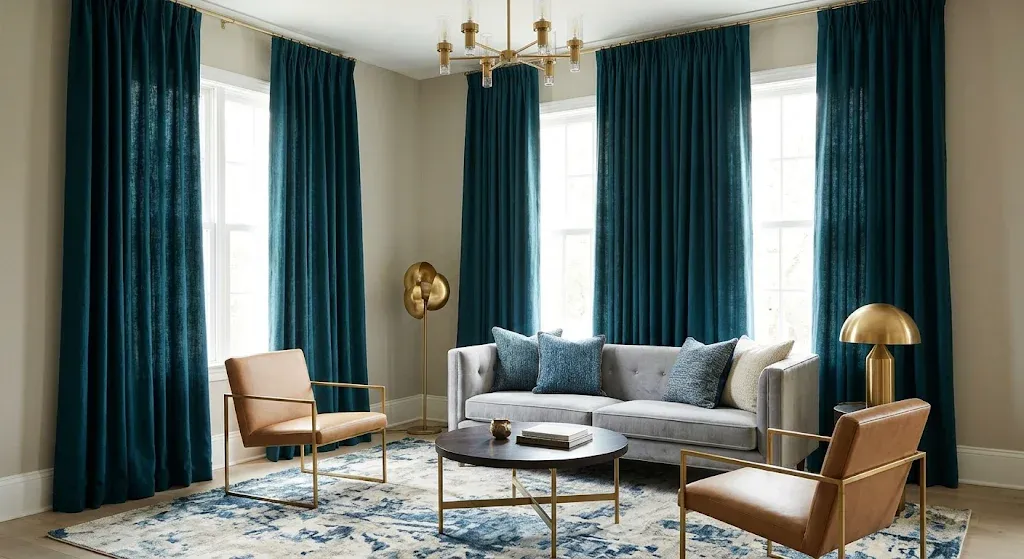
Every home has different windows, interior layouts, and decorative requirements. A curtain style that looks perfect in one room may not provide the right coverage or appearance in another. This is why choosing window treatments should involve more than selecting a colour or fabric that matches your furniture.
The right window coverings can improve privacy, control natural light, complement interior decoration, and make everyday living spaces more comfortable. From carefully selected fabric panels to modern window shades, there are several ways to create a finished look that suits your home's design.
Whether you are decorating a new property or updating existing rooms, understanding the available options can help you make a more informed decision. This guide explores important customization considerations, popular window treatment styles, and practical tips for selecting the right solution.
1. Why Customization Matters When Choosing Curtains
Standard window treatments may not always provide the appearance or coverage you expect. Windows come in different widths, heights, and shapes, while individual homeowners have different preferences regarding fabric, colour, and installation.
Choosing custom curtains allows you to consider these details before making a purchase. Instead of selecting a design based only on appearance, you can focus on how the curtains will fit into your room.
Some important customization considerations include:
- Window dimensions: Accurate measurements help ensure suitable coverage and proportions.
- Fabric selection: Different materials create different textures, levels of privacy, and lighting effects.
- Colour preferences: The right shade can complement walls, flooring, furniture, and other decorative elements.
- Curtain length: Shorter and floor-length designs create different visual effects.
- Light management: Fabric thickness and construction influence how much daylight enters a room.
Considering these factors together makes it easier to select curtains that suit both the appearance and practical requirements of your space.
2. Choose the Right Fabric for Your Interior
Fabric is one of the most important decisions when selecting window coverings. It affects the way curtains hang, how they interact with natural light, and the overall atmosphere they create.
Velvet for an Elegant Appearance
Velvet is a popular material for interiors that require a richer decorative finish. Its distinctive texture adds depth to windows and complements traditional as well as contemporary furniture.
Velvet curtains are particularly suitable for living rooms, bedrooms, and formal sitting areas. Their heavier construction can also contribute to greater privacy and reduced light penetration, depending on the specific fabric.
Linen-Touch Fabrics for a Relaxed Style
Linen-touch materials are ideal for homeowners who prefer a more understated appearance. Their natural-looking texture works well with minimalist furniture, neutral colour palettes, and contemporary decoration.
These fabrics can help create a balanced atmosphere without making the windows appear overly decorative.
Blackout Fabrics for Greater Light Control
Blackout curtains are designed to reduce incoming daylight and are frequently selected for bedrooms and media rooms.
They are useful when privacy and light management are particularly important. However, correct installation and adequate coverage are necessary because sunlight can still enter around the edges of a curtain.
Lightweight Fabrics for Natural Brightness
Lighter materials can soften incoming sunlight while maintaining a bright interior.
They are suitable for spaces where homeowners want to enjoy daylight without leaving the windows completely uncovered. Living rooms, dining areas, and home offices are common examples.
3. Custom Curtain Designs for Different Rooms
Every room serves a different purpose, so its window treatments should reflect its requirements.
Living Rooms
Living rooms often combine decorative and functional needs. Curtains should complement the furniture while providing enough flexibility for managing daylight and privacy.
Neutral colours such as beige, cream, and grey can create a coordinated appearance. For a more distinctive interior, textured fabrics or deeper shades can introduce contrast.
Floor-length curtains are also a popular option because they create a continuous visual line from the window towards the floor.
Bedrooms
Bedroom curtains should provide suitable privacy and help control outside light.
Blackout materials are worth considering when reducing daylight is a priority. Heavier decorative fabrics can also introduce texture and create a more complete appearance around the window.
Select colours that coordinate with the bedding, flooring, and bedroom furniture.
Dining Areas
Dining rooms benefit from window treatments that complement their overall decoration without making the space feel too crowded.
Light-filtering materials can help maintain natural brightness, while textured fabrics can add subtle detail.
The ideal choice depends on the amount of available daylight and the style of the dining furniture.
Home Offices
Home offices require careful consideration of glare and visibility.
Curtains that soften direct sunlight can make a workspace more comfortable, particularly when a desk or computer screen is positioned near a window.
Consider the direction of sunlight and the amount of natural illumination throughout the working day.
4. Understanding Different Types of Window Shades
Curtains are not the only option for covering windows. Shades provide another approach and are available in different designs to suit various interior styles.
When comparing the best window shades for your home, consider how each type operates, its appearance, and the level of light control it offers.
Here are some common options:
Roller Shades
Roller shades use a continuous piece of material that rolls around a tube. Their straightforward design makes them suitable for modern interiors and smaller windows.
Depending on the selected material, roller shades can provide light filtering, privacy, or stronger light reduction.
Roman Shades
Roman shades fold into horizontal sections when raised, creating a layered appearance.
They combine the softness of fabric with a more structured design. They can work particularly well in bedrooms, dining rooms, and living spaces where decorative window treatments are preferred.
Cellular Shades
Cellular shades feature a structured design with air pockets between layers of fabric. This construction can help reduce heat transfer through windows, depending on the product and installation.
They are worth considering for homeowners interested in improving indoor comfort while maintaining a clean appearance.
Solar Shades
Solar shades are designed to manage sunlight and reduce glare while maintaining some visibility towards the outside.
They are especially relevant for rooms with strong direct sunlight, large windows, and workspaces where screen glare can become a problem.
Venetian Blinds
Venetian blinds use horizontal slats that can be adjusted to control light and visibility.
Their adjustable design makes them suitable for homeowners who prefer more direct control over how sunlight enters a room.
Each type offers different advantages, so the most suitable option depends on your window dimensions, privacy requirements, and preferred decorative style.
5. Curtains or Shades: Which Option Should You Choose?
Both curtains and shades can improve the appearance and usability of a room, but they offer different design possibilities.
Curtains generally provide more opportunities to introduce fabric textures, decorative colours, and layered arrangements. They can also cover larger window areas and contribute to the overall softness of an interior.
Shades often provide a simpler and more compact appearance. Depending on their construction, they can offer convenient light management without requiring large fabric panels.
Consider the following differences:
| Feature | Curtains | Window Shades |
|---|---|---|
| Appearance | Soft, decorative, and available in many fabrics | Structured and generally streamlined |
| Fabric choices | Wide range of materials and textures | Depends on shade type |
| Light control | Depends on fabric and coverage | Depends on material and construction |
| Interior style | Traditional and contemporary | Particularly common in modern interiors |
| Installation | Usually uses rods or tracks | Often fitted within or above the window frame |
You do not necessarily need to choose only one. Combining curtains with shades can create a layered appearance while offering additional flexibility for privacy and light management.
6. How to Measure Windows Correctly
Measurements are essential when selecting window coverings. Incorrect dimensions can affect both their appearance and practical performance.
Before ordering, measure the width and height of the intended installation area.
Measure the width: Start by measuring the curtain rod or track if one is already installed. For new installations, decide how far the treatment should extend beyond the window frame.
Measure the height: Determine whether you prefer sill-length, below-sill, or floor-length curtains. Measure from the intended installation point rather than assuming the window frame is the starting position.
Consider fabric fullness: Curtains usually require more fabric than the actual window width to produce attractive folds.
Check installation requirements: Make sure the available mounting space and hardware are suitable for the selected window treatment.
For unusually shaped windows, large openings, or multiple connected windows, careful planning becomes even more important.
7. Coordinate Colours With Your Home Decoration
Curtain and shade colours should complement the room rather than compete with existing decorative elements.
For neutral interiors, beige, white, ivory, and grey can create a consistent appearance. These colours work particularly well with minimalist furniture and natural finishes.
Darker colours such as charcoal, brown, and deep green can introduce contrast and make windows more visually prominent.
You can also consider matching window treatments with smaller decorative details, including cushions, rugs, bedding, and furniture finishes.
Another useful approach is to maintain a common colour palette throughout the home while changing fabrics and textures between rooms.
This creates visual consistency without requiring every room to look identical.
8. What to Check Before Buying Window Treatments Online
Shopping online provides an opportunity to compare different designs and materials from home. However, reviewing product information carefully is essential before making a final selection.
Pay attention to the following details:
- Fabric composition and texture.
- Available colours and sizes.
- Light-filtering or blackout specifications.
- Cleaning and maintenance requirements.
- Installation and measurement instructions.
- Product photographs and detailed descriptions.
Fabric samples can also be useful when available because computer and mobile screens may display colours differently from actual materials.
Comparing these details can help reduce sizing mistakes and make it easier to select window treatments that suit your home.
9. Explore Window Treatment Options at CurtainsX
Finding suitable window coverings involves balancing personal style with everyday requirements. Whether you prefer textured fabrics, decorative designs, or practical light-management options, comparing available products can help you make a suitable choice.
CurtainsX provides an online destination for exploring curtain styles and materials for different interior preferences. Before selecting a product, consider your window dimensions, preferred fabric, colour scheme, and the amount of privacy or daylight control you need.
Explore Custom Curtains to find inspiration for window treatments that complement your interior and suit your preferred decorative style.
You can also explore Best Window Shades when researching different approaches to window coverage, light management, and interior design.
Taking time to compare your options can help you achieve a more coordinated and functional living space.
Frequently Asked Questions
1. What are the benefits of custom curtains?
Customisation allows you to consider window dimensions, fabric preferences, colours, and curtain lengths. This helps achieve a more suitable fit and a design that complements your interior.
2. Are curtains better than window shades?
Neither option is universally better. Curtains offer more fabric and decorative possibilities, while shades often provide a simpler and more compact design. The right choice depends on your room and requirements.
3. Which window shades are suitable for bedrooms?
Roller, Roman, and cellular shades are possible options. The most suitable choice depends on the desired appearance, privacy, and light-control requirements.
4. Can curtains and shades be used together?
Yes. Layering curtains over shades can provide additional design flexibility, privacy, and control over natural daylight.
5. How do I select the right curtain fabric?
Consider the room's purpose, desired light control, privacy requirements, maintenance preferences, and existing decoration before choosing a material.
6. How often should curtains be cleaned?
Cleaning frequency depends on the fabric, manufacturer's care instructions, and the environment. Follow the product's recommended cleaning method to maintain its appearance and condition.
Conclusion
Choosing suitable window treatments is an important part of creating a comfortable and well-coordinated home. Custom curtain selections provide flexibility in fabric, colour, and dimensions, while different shade styles offer alternative approaches to privacy and light management.
By understanding the differences between available materials, considering each room individually, and measuring windows accurately, you can make better decisions for your interior.
The right combination of curtains and shades can help transform ordinary windows into attractive, functional features that complement your home.






Responses (0)