
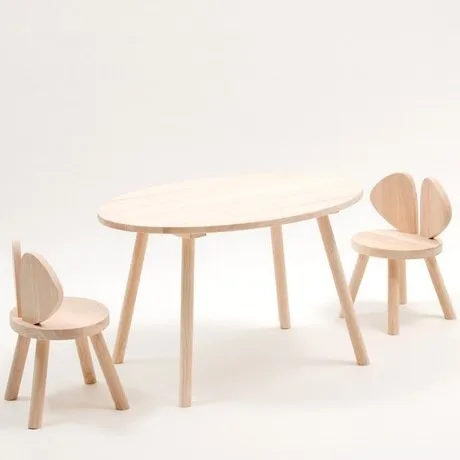
A learning tower may appear stable when no one is standing on it. Add a curious child who leans sideways to reach the counter and the forces change. Children's furniture must be considered as equipment that will be climbed, pushed and used in unpredictable ways. A custom wooden products manufacturer working on this category needs a design brief that treats stability, finishing and age suitability as central requirements, not details to settle after the colour is chosen.
Start with the intended user and function. A toddler learning tower, a low bookshelf and an adult display shelf all face different hazards. Identify the relevant safety standards and requirements for the destination market, then design the assessment around actual use. Do not apply a generic “child safe” label without evidence. Relevant testing might cover stability, openings, entrapment risks, structural performance and potentially applicable coating or chemical limits. The exact programme depends on product type and jurisdiction.
Joints and fasteners deserve close examination. Wooden components expand and contract as moisture conditions change, and a loose joint can grow worse under repeated climbing. Assess whether screws can work loose, whether dowels are properly supported and whether exposed hardware can be reached by a child. Any folding or adjustable mechanism introduces another potential pinch point. A beautiful edge profile is worth little if the structural connections cannot survive normal use.
Surface quality should be checked under hands, not just lights. Splinters, rough corners and exposed end grain can emerge after finishing or wear. Coatings should be suitable for the use case and have appropriate supporting documentation. Natural-looking wood does not automatically mean that the complete product is low risk; adhesives, finishes and hardware still matter. Cleaning instructions should reflect what parents will actually do after spilled food or paint.
Packaging and assembly instructions influence safety. Flat-pack parts that can be assembled backwards may create an unstable product even when every component was manufactured accurately. Clearly distinguish similar fasteners and show critical assembly stages. If wall anchoring is required, say so prominently and explain the conditions under which it is necessary. The product's safe use depends on the customer receiving the information at the right moment.
Age ranges need more thought than a birthday printed on a box. Children's size, coordination and behaviour vary, and some products require closer supervision regardless of the stated range. Designers should identify foreseeable misuse and follow the appropriate safety assessment rather than relying on an attractive Montessori-style description. The term describes an educational approach, not a universal certification of furniture safety.
Transport is another risk. A product can leave the factory with smooth edges and arrive with a cracked support after rough delivery. Packaging tests should address the likely journey, and customers need clear instructions not to use damaged furniture. Replacement hardware should match the approved design. Small after-sales details like these protect children more effectively than vague promises of premium craftsmanship.
Manufacturers should make it easy to identify replacement parts without encouraging improvisation. A missing screw on children's furniture should not be replaced with an arbitrary fastener from a household drawer. Provide the correct hardware reference and suitable customer support. Similarly, customers should be advised to stop using a product that has developed structural damage until it can be properly assessed. Safety cannot be reduced to what happens on the day of purchase.
The best design review includes supervised observation of realistic movements and documented testing by qualified parties where required. Caregivers should be reminded that furniture does not remove the need for supervision. For a maker, careful engineering is not the enemy of warm, inviting design. It is what lets the finished product remain useful long after the first photograph.
The search term “custom wooden products manufacturer” covers several possible products or services, so the actual specification and scope should be confirmed before making a selection.
Official website: Wonfulity






Responses (0)