
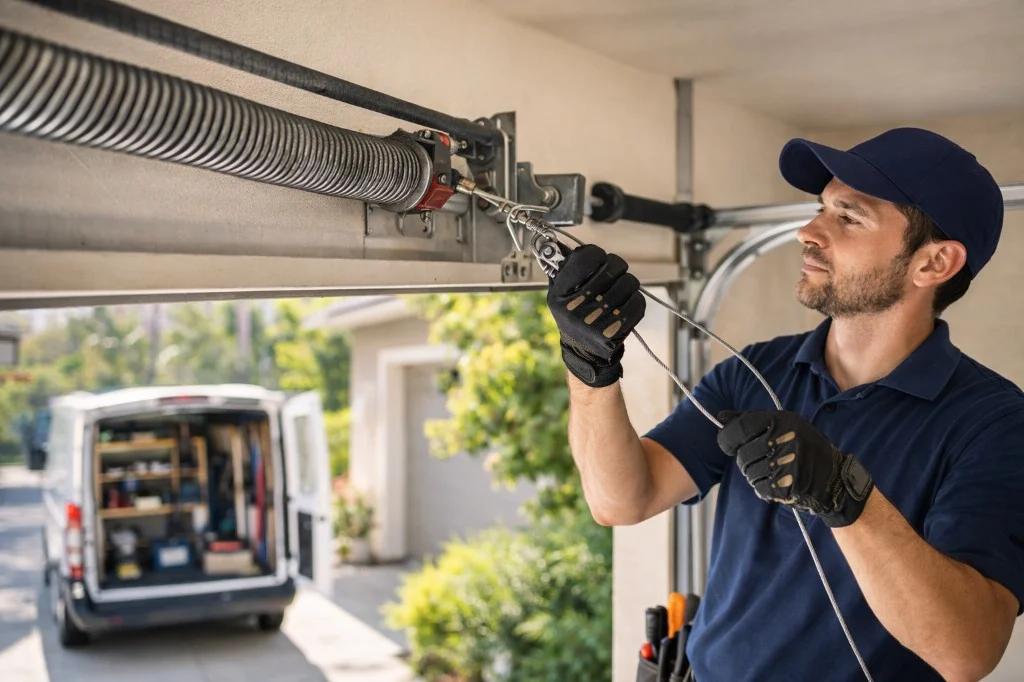
A new garage door can change the way your home looks, feels, and functions. It provides everyday access, protects belongings, and occupies a large part of the exterior. However, choosing an attractive door is only the beginning. The opening must be measured properly, compatible hardware must be selected, and the complete system needs to operate safely.
Homeowners sometimes overlook small details during planning that become frustrating once the door is installed. A beautiful door may fit poorly, an opener may struggle with the new assembly, or weather seals may leave uncomfortable drafts. Understanding seven common mistakes can help you ask better questions and make decisions with confidence. When planning professional garage door installation, focus on the entire door system rather than only the appearance of its panels.
1. Choosing a Garage Door Based on Appearance Alone
It's natural to begin with color, windows, and panel design. A dark flush-panel door may complement a contemporary house, while raised panels or carriage-house details may suit a traditional exterior. Yet the right design must also work for your climate, available space, and daily routine.
Start by asking how the garage is used. Is it attached to a living area? Does your family enter through it several times each day? Will you need daylight inside, or would windows expose stored belongings to the street? Steel, aluminum, wood, and composite doors differ in maintenance needs, strength, weight, and finish options. Glass also affects privacy and thermal performance.
Better approach: Compare material construction, insulation, window position, and manufacturer care instructions alongside style. View color samples outdoors rather than relying on a tiny online image. Choose a door that complements the home and meets practical requirements.
2. Taking Inaccurate Measurements of the Opening
A garage door is not selected using width and height alone. Installers must also consider headroom above the opening, side clearance, the depth available inside the garage, and whether framing is level and sound. These dimensions affect the tracks, spring assembly, and opener layout.
An opening may look rectangular while the floor slopes slightly or the framing has shifted over time. A rough measurement can lead to gaps at the edges, difficulty sealing the bottom, or interference with ceiling fixtures and storage. Low ceilings, unusual roof lines, and oversized vehicles can introduce additional constraints.
Better approach: Have an experienced installer measure the opening and inspect the framing before finalizing the door model. Mention overhead shelving, ceiling lights, ducts, and other features that might interfere with travel. The goal is not simply to make the door fit between the walls; it is to provide enough clearance for safe movement through its full range.
3. Overlooking Insulation and Weather Sealing
Many homeowners focus on panel appearance and forget how the garage interacts with the rest of the house. If the garage is attached, drafts and temperature swings may affect nearby rooms. Poor seals can also allow rainwater, windblown debris, and insects to enter around the opening.
Insulated doors can help moderate conditions in some garages, but insulation performance depends on the complete construction and installation. A published panel R-value does not describe every gap around the frame. Perimeter seals, the bottom gasket, and the condition of the opening all deserve attention. Windows and their glazing also influence privacy, daylight, and comfort.
Better approach: Discuss whether the garage is heated, how much sun the door receives, and where drafts appear. Ask about door construction, weatherstripping, and appropriate glazing rather than assuming the thickest-looking panel is the right choice. Remember that the walls and ceiling also affect the garage environment.
4. Reusing Tracks or Hardware That Do Not Match the New Door
It may seem convenient to keep existing tracks, rollers, brackets, or springs when replacing an older door. But garage door sections and tracks are designed to work together. Changes in panel thickness, weight, hinge geometry, and clearance requirements can make the old components incompatible with the replacement.
A mismatched track can cause rubbing, uneven movement, or premature wear. Using an unsuitable spring or cable arrangement introduces more serious concerns because the counterbalance system must match the door's characteristics. Some worn hardware may look serviceable while hiding damage or deformation from years of operation.
Better approach: Ask the installer which components are approved for the selected door model. Have them assess the condition and compatibility of tracks, rollers, fasteners, springs, and cables before reuse is considered. Do not loosen bottom brackets, adjust springs, or try to reposition tracks yourself; connected parts can hold dangerous stored tension.
5. Pairing the Door With an Incompatible Opener
The garage door opener and the door must work as a coordinated system. Not every opener suits every door size, weight, height, or track configuration. A motor that worked with an older door may not be appropriate for a new one, even if it still switches on when you press the remote.
Opener selection also involves practical preferences. A household with a bedroom above the garage may prioritize quiet operation. Others may want battery backup, remote status alerts, or secure smart access. Those features vary by model and should not distract from correct mechanical compatibility, mounting, and safety performance.
Better approach: Discuss the door specifications and intended use before choosing an opener. Professional garage door opener installation should include correct mounting, controls, photo-eye placement where required, and testing. Ask whether an existing opener can be reused safely and whether any features depend on a particular app, power supply, or network connection.
6. Skipping Essential Safety Checks After Installation
A garage door may open and close several times without appearing to have a problem, but basic operation alone is not a complete safety check. Automatic residential garage door openers rely on protective systems designed to reduce entrapment hazards. These can include photoelectric sensors and a reversing function, depending on the model and applicable requirements.
Sensor alignment, wiring, door travel, and opener settings all matter. An incorrectly installed sensor or poorly adjusted system can create a serious risk, especially in households with children or pets. The door should also move evenly and remain properly supported by its counterbalance assembly.
Better approach: Before accepting the installation, ask the technician to demonstrate the relevant safety functions using the manufacturer's recommended tests. Request an explanation of the manual release, wall control, and warning labels. Never bypass sensors to make a door close. Keep the owner's manuals so the system can be checked regularly according to the manufacturer.
7. Attempting a Complex Installation Without Professional Training
Home improvement projects can be rewarding, but a garage door is a heavy moving system with high-tension springs and cables. Handling panels, tracks, brackets, and counterbalance components without the necessary training can cause the door to shift or fall. Even experienced do-it-yourself homeowners may underestimate the hazards of spring and cable assemblies.
Installing the panels is only one part of the job. Correct door balance, hardware compatibility, opener setup, and safety verification are equally important. A door that moves after installation is not necessarily a door that has been installed correctly.
Better approach: Work with trained door-system technicians and follow the manufacturer's specifications. Ask who will perform the final inspection and what will be checked before the garage is returned to normal use. If you notice unusual movement after installation, stop using the system and request an assessment instead of trying to adjust the springs or cables yourself.
What to Ask Before Scheduling Garage Door Installation
A short conversation with the installer can prevent confusion and clarify what the project involves. Discuss your priorities—appearance, insulation, daylight, quiet operation, and convenient access—then ask how the proposed door addresses them. Also confirm which measurements have been taken and whether existing framing or hardware needs attention.
Useful questions include:
- Which door model and material suit my opening and daily use?
- Are the tracks, spring system, cables, and opener designed to work together?
- What weather seals and window options are available for this door?
- How will the safety features be tested before handover?
- What maintenance instructions and documentation will I receive?
A clear, practical explanation is more valuable than a promise that every door is suitable for every home. For homeowners around Chadds Ford, Pennsylvania, and nearby communities in Delaware and southeastern Pennsylvania, 247 Garage Door Guys provides residential garage door installation and related services.
Caring for Your Garage Door After Installation
A newly installed door still needs routine attention. Keep storage items away from tracks and sensors, look for damaged weather seals, and listen for changes in sound or travel. Follow the owner's manual for visual checks, cleaning, lubrication guidance, and recommended safety tests. If the door becomes crooked, jerks, or repeatedly reverses, stop operation until the cause is understood.
Professional garage door maintenance can help assess rollers, tracks, hardware condition, balance, and safety features over time. Avoid experimenting with spring tension, cable drums, or bottom brackets, even when the door appears stationary. These components can be hazardous and belong in the hands of qualified technicians.
Frequently Asked Questions
Can I use my existing tracks with a new garage door?
Not automatically. Tracks must be compatible with the replacement door's dimensions, construction, and hardware. An installer should confirm the manufacturer's requirements rather than assuming old tracks will work.
How important are precise garage opening measurements?
They are essential. Door width and height matter, but headroom, side room, backroom, level framing, and ceiling obstructions also affect whether the system will fit and move correctly.
Should a new garage door work with my current opener?
It depends on the new door and opener specifications. The installer should check compatibility, mounting arrangements, safety features, and the condition of the existing unit before deciding whether it can remain in service.
What should I check after the installation is finished?
Ask for a demonstration of smooth door travel, relevant opener safety tests, basic controls, and manual-release precautions. Keep the door and opener manuals, and contact the installer if movement becomes irregular.
Final Thoughts
Avoiding common garage door installation mistakes starts before the first panel is mounted. Choose a door that suits your home and daily routine, confirm measurements and clearances, match the tracks and opener to the system, and insist on proper safety checks. Professional installation and sensible aftercare help ensure the result is more than attractive: it should also be dependable and safe to use.
When you are ready to plan a new garage door, explain your needs, ask questions about compatibility and testing, and choose a qualified installer who treats the door as a complete system.





Responses (0)