
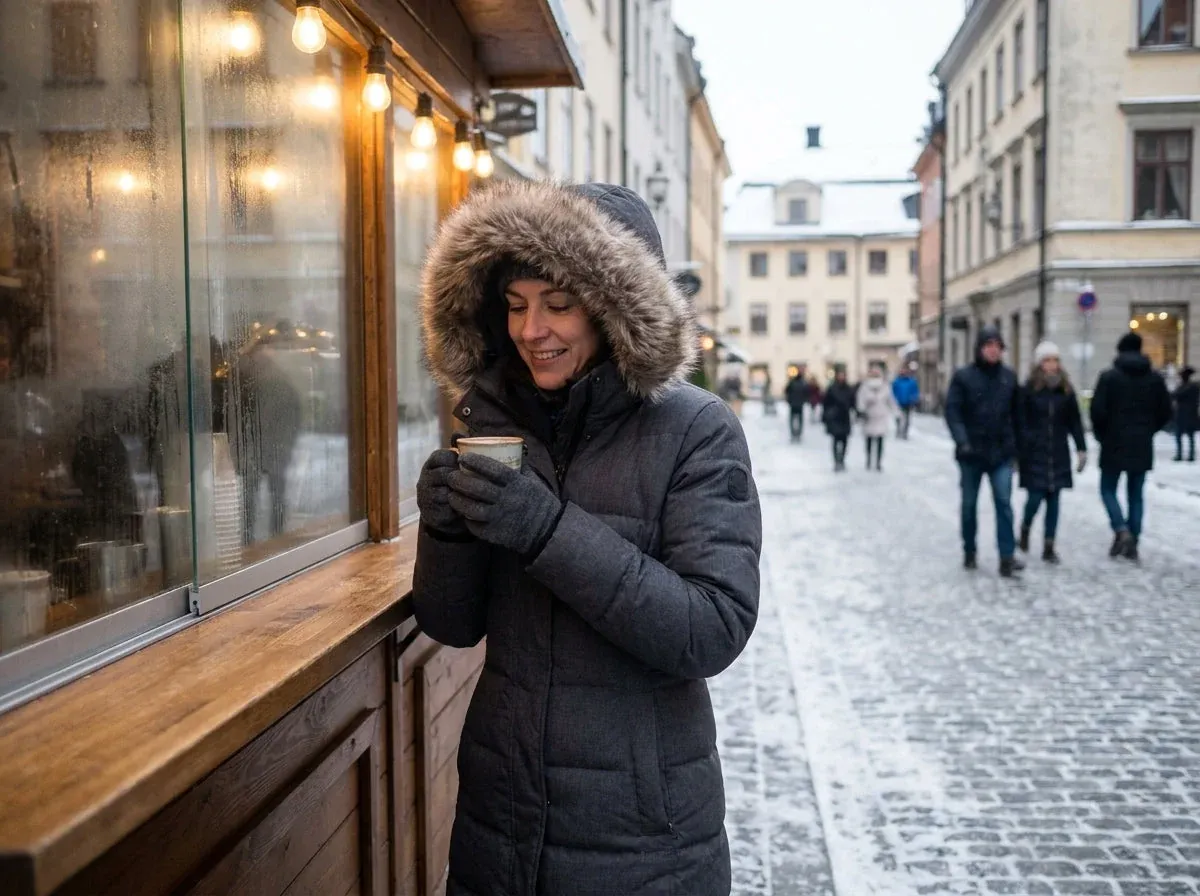
Buying a winter jacket is one of the few clothing decisions where comfort really matters. A good one keeps you warm on the walk to work, at a bus stop or during a weekend outdoors. A poor one leaves you cold, bulky or constantly adjusting. If you are shopping for womens winter jackets, this guide explains the main styles, how insulation works, what features to look for and how to fit one properly.
Know Your Winter First
Before you look at styles, think about the weather you actually deal with. A jacket for mild, damp winters is different from one for freezing, windy days. Ask yourself a few simple questions. How cold does it get where you live? Do you spend long periods outdoors, or mostly short walks between buildings? Is rain or snow a regular part of winter? Do you commute by car, train or on foot?
Your answers will help you decide how much insulation, length and weather protection you need.
Main Types of Winter Jackets
Puffer jackets. Filled with down or synthetic insulation and stitched in sections, puffers are warm and light. They are a popular choice for cold weather and travel.
Parkas. Longer, with a hood, deep pockets and often a fur-style trim. Parkas give strong protection for very cold or windy weather.
Shearling and sheepskin jackets. Soft, warm and sturdy, with a woolly lining. They look good and keep heat in well, though they tend to be heavier.
Leather jackets with lining. A leather jacket with a thick lining offers a stylish option for dry cold days. It blocks wind well, but you may need layers underneath.
Wool coats. Smart and warm, wool coats suit work and city wear. They are less water resistant than technical fabrics.
Quilted jackets. Lighter than puffers and good for cool, not freezing, days.
Understanding Insulation
The filling in a jacket is what traps warm air close to your body.
Down is very warm for its weight and packs small. It loses much of its insulating power when wet, so it suits dry, cold conditions.
Synthetic insulation keeps more of its warmth when damp and is often easier to wash. It can be a little heavier for the same level of warmth.
Wool and fleece linings add softness and warmth, especially in shearling and lined jackets.
Look at the product details for the type of fill and any weight or warmth information. A thicker, more stitched-through jacket usually feels warmer than a thin one with the same fill.
Length Matters More Than You Think
Jacket length affects how warm you feel, especially when you are standing still or waiting outdoors.
A hip length jacket is easy to move in and good for casual wear. A mid-thigh length covers more of your body and is a sensible choice for daily commuting. A knee-length or longer coat gives the most coverage, though it can be less convenient when you get in and out of a car or climb stairs.
If you walk or wait outside often, go longer. If you drive or spend most of your time indoors, a shorter jacket may be enough.
Fit and Layering
A winter jacket should leave room for layers without looking oversized. Try it on with a sweater or the kind of clothing you wear in winter. You should be able to raise your arms, cross them and reach forward without the jacket tightening across your back.
The sleeves should cover your wrists when you move your arms, so cold air does not creep in. The shoulders should sit at the edge of your shoulders. If you plan to wear thick knitwear, size up slightly. If you will mainly wear thin layers, stay with your usual size.
Features That Make a Difference
Hood. A good hood protects your head and neck. Check whether it is removable and whether it can be adjusted.
Collar. A high or wind-blocking collar keeps your neck warm.
Cuffs and hem. Elastic or adjustable cuffs and hems keep drafts out.
Pockets. Deep outer pockets for your hands and secure inside pockets for your phone and wallet are useful.
Zip and storm flap. A strong zip with an overlapping flap gives extra wind protection.
Water resistance. A coated or treated outer fabric helps in light rain and snow. For very wet weather, check whether the jacket is truly waterproof or only water resistant.
Styling Womens Winter Jackets
Warmth does not have to mean looking shapeless. A black puffer with straight jeans, boots and a knit hat is a simple everyday outfit. A wool or leather coat with tailored trousers and ankle boots works for the office. A shearling jacket with a chunky scarf and dark denim is warm and relaxed on weekends.
Color matters too. Black, navy and grey go with most clothes and hide dirt. Camel, olive and cream look softer and add variety. A bright color is a good idea in grey weather and makes you easier to see in poor light.
Think About How You Travel
If you commute by public transport, a jacket that is warm outside but not stifling on a crowded train is ideal. Removable linings and zip-open vents make it easier to adjust. Drivers may prefer a shorter, less bulky jacket for comfort behind the wheel. Also think about the weight you will carry when you take it off.
Common Mistakes to Avoid
The biggest mistake is buying only for style. A thin jacket may look sharp but will not keep you warm on a cold morning. Another is choosing a fit that is too tight, which compresses insulation and leaves you cold. People also forget to check the weight. A very heavy jacket can be tiring over a long day. Finally, do not ignore the lining and zip, since weak parts are the first to fail.
Caring for Your Winter Jacket
Follow the care label closely. Many puffer and synthetic jackets can be washed on a gentle cycle, but down needs special care and a slow, careful dry. Leather and suede should not go in a washing machine. Wipe them gently and use products made for the material. Hang the jacket on a wide hanger when you are not wearing it, and store it in a cool, dry place at the end of the season in a breathable bag.
If the jacket gets wet, let it dry naturally at room temperature. Avoid radiators and hairdryers, which can damage materials and insulation.
Where to Shop
Geek Jacket has a winter jackets section within its women's collection, with puffer, shearling, leather and coat options in one place. The site lists free shipping and a 20-day return window, so you can check the fit with your usual winter layers at home.
Final Thoughts
The right winter jacket depends on your climate, your daily routine and how you like to dress. Choose the insulation that matches the cold, pick a length that covers you properly and check the fit with layers. With sensible features and a bit of care, womens winter jackets can stay warm and look good for many seasons. Take a look at the options at Geek Jacket when you are ready to compare.
Looking to explore another timeless outerwear option? Check out our guide to [Women’s Cosplay Jackets] for styling tips and outfit inspiration.






Responses (0)