
Introduction
Marketing your business online is no longer just about posting on social media or running advertisements. Businesses need the right combination of strategies to attract customers, build trust, and increase sales. This is where understanding performance marketing vs. digital marketing becomes important.
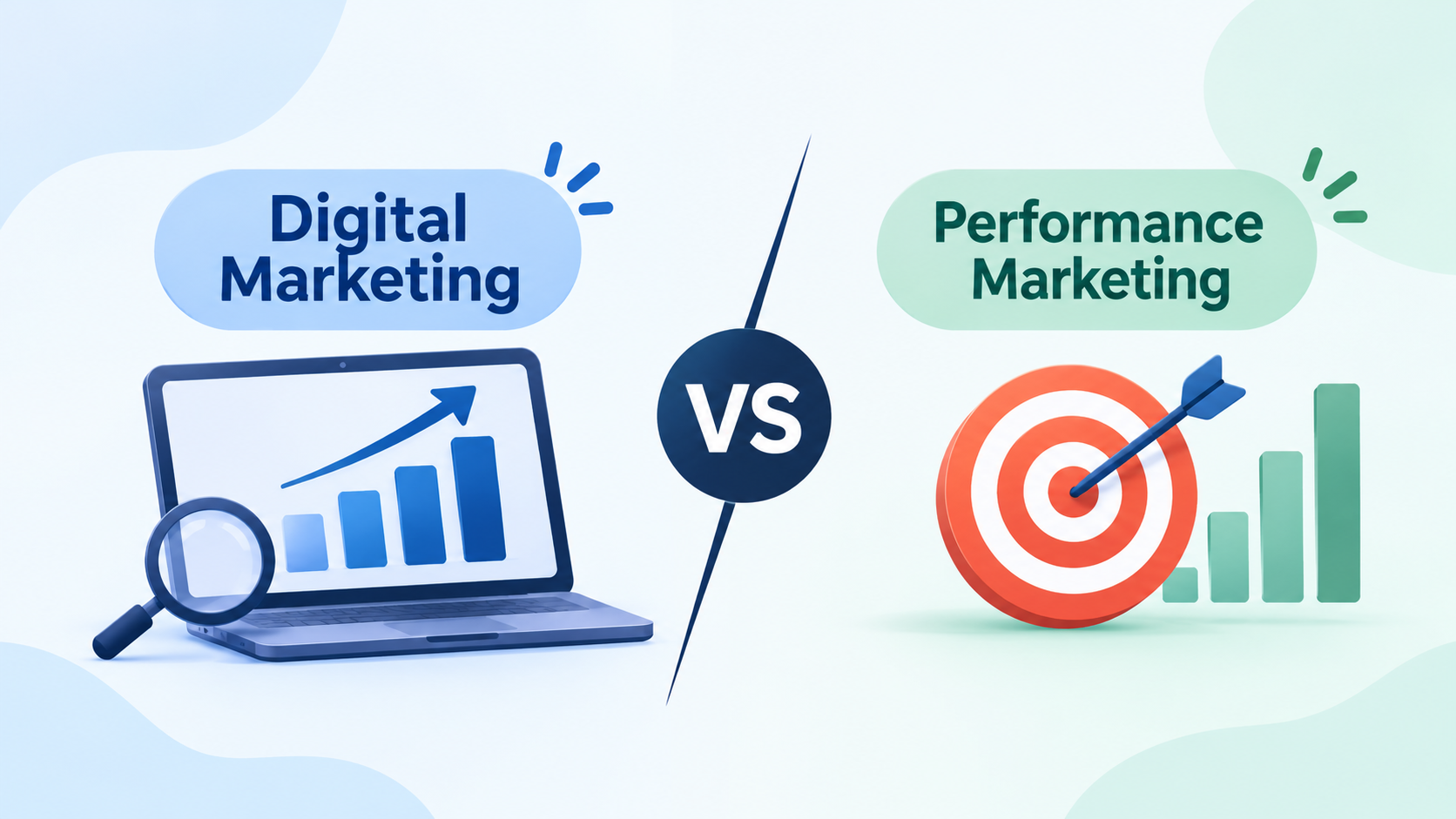
Although these two terms are often used together, they have different purposes. Digital marketing focuses on promoting a brand through various online channels, while performance marketing concentrates on measurable campaign outcomes.
Let's understand how they work and which approach can make a difference to your business.
What Is Digital Marketing?
Digital marketing refers to promoting products and services through online platforms and digital channels. Its purpose is to help businesses reach their target audience, improve brand recognition, and build long-term customer relationships.
For example, when a business publishes useful blog posts, improves its Google search rankings, shares content on Instagram, or sends promotional emails, it is using digital marketing.
Some common digital marketing strategies include:
- Search Engine Optimization (SEO)
- Social Media Marketing (SMM)
- Content Marketing
- Email Marketing
- Google Ads and Meta Ads
- Website Optimization
These activities work together to create a strong online presence and attract potential customers.
What Is Performance Marketing?
Performance marketing is a results-focused approach to online advertising. Businesses use paid campaigns to achieve specific actions, such as generating leads, receiving inquiries, increasing purchases, or attracting app downloads.
For instance, an online clothing store may run a Meta Ads campaign to encourage customers to purchase a particular product. The business can then track clicks, sales, advertising costs, and conversions to understand how the campaign performs.
Common performance marketing activities include:
- Google Search Ads
- Facebook and Instagram Ads
- Affiliate Marketing
- Retargeting Campaigns
- Lead Generation Campaigns
- Conversion-focused Advertising
The main idea is to measure campaign results and make improvements based on actual performance.
Performance Marketing vs. Digital Marketing: 5 Important Differences
Understanding performance marketing vs. digital marketing becomes easier when you look at how each approach works in everyday business situations.
1. Marketing Approach
Digital marketing uses a combination of organic and paid methods to promote a business. It focuses on building visibility and connecting with audiences across different platforms.
Performance marketing takes a more campaign-specific approach. It focuses on actions that businesses can track, such as clicks, leads, and purchases.
2. Budget Planning
Digital marketing budgets can include website development, SEO, content creation, social media management, and advertising expenses.
Performance marketing budgets are usually planned around campaign objectives and advertising costs. Businesses monitor how much they spend to generate a lead or sale.
3. Time to See Results
Some digital marketing strategies, particularly SEO and content marketing, take time to deliver consistent results. However, they can support long-term online growth.
Performance marketing campaigns can generate measurable results soon after launch, depending on the audience, budget, offer, and campaign setup. Results are not guaranteed, and campaigns need regular monitoring.
4. Audience Engagement
Digital marketing helps businesses interact with their audience through blogs, social media posts, videos, emails, and other content.
Performance marketing often targets specific audience groups based on their interests, behavior, and potential to take action.
Both approaches help businesses connect with customers, but they use different methods to achieve their goals.
5. Measuring Campaign Results
Digital marketing success can be measured through website traffic, keyword rankings, social media engagement, brand reach, and customer inquiries.
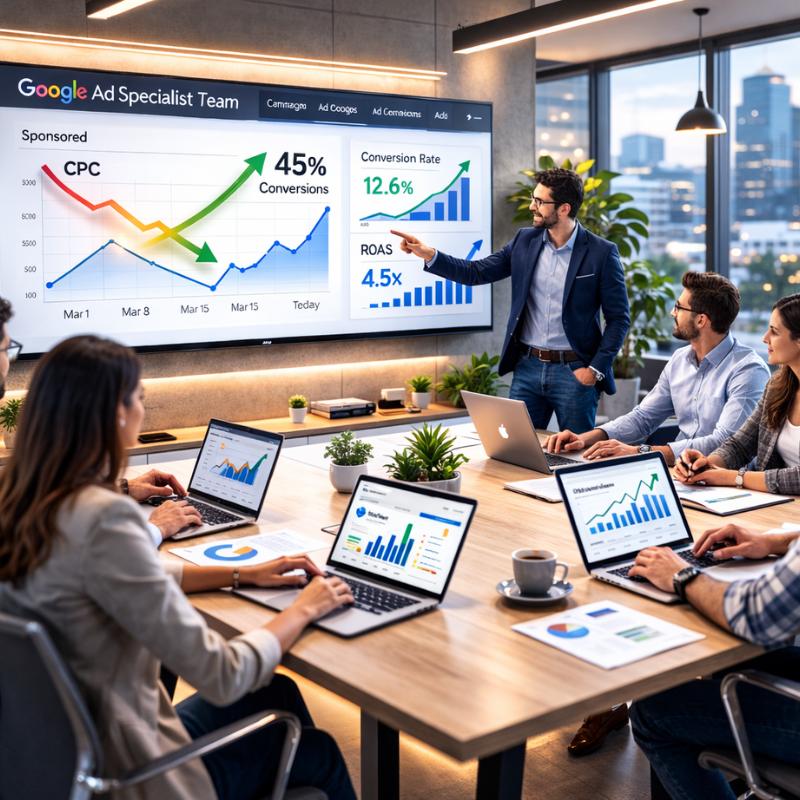
Performance marketing focuses more directly on measurable campaign indicators, including:
- Cost Per Click (CPC)
- Cost Per Lead (CPL)
- Conversion Rate
- Cost Per Acquisition (CPA)
- Return on Ad Spend (ROAS)
Tracking these metrics helps businesses understand whether their advertising budget is being used effectively.
Can Businesses Use Both Marketing Strategies Together?
Yes. In fact, combining both approaches can be a practical way to build a stronger online marketing strategy.
Consider a real estate company that wants to attract more property buyers. It can use SEO to improve its website visibility, publish blogs about property investment, and share property updates on social media.
Alongside these activities, the company can run Google Ads and Meta Ads to generate inquiries from people interested in purchasing properties.
Here, digital marketing supports long-term brand visibility, while performance marketing helps generate and measure campaign leads.
How to Choose the Right Marketing Strategy?
Before selecting an approach, think about your current business priorities.
Digital marketing may be suitable when you want to:
- Build brand awareness and online visibility.
- Improve organic search rankings.
- Create meaningful customer relationships.
- Develop a consistent online presence.
Performance marketing may be suitable when you want to:
- Generate targeted customer inquiries.
- Increase online purchases.
- Promote a particular product or service.
- Measure advertising costs and conversions.
You do not always need to choose only one. Your business goals, available budget, target audience, and growth plans should guide your decision.




Responses (0)