
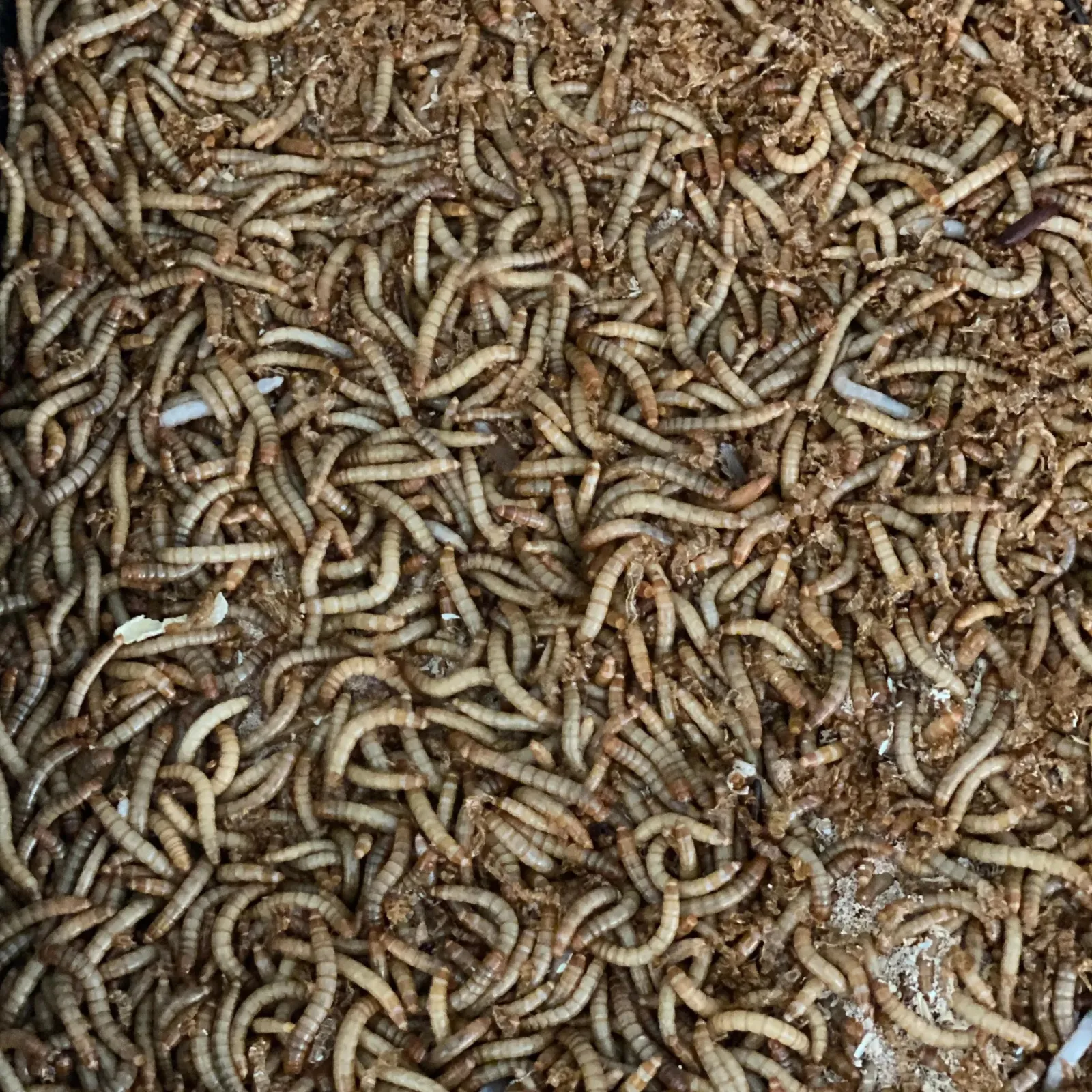
Protein percentage is usually the first number buyers notice on an insect-feed specification. It matters, but it does not explain everything about a batch of dried mealworms. Moisture, fat stability, odour, particle condition and microbiological quality can affect storage and use. A dried mealworms supplier needs to provide information that matches the buyer's actual feed application, not just a bold nutrient figure.
Moisture management is an early concern. A product can feel dry on the outside and still vary across a large batch if processing or storage is uneven. Excess moisture may shorten shelf life, especially under warm or humid conditions. Ask which method is used to measure moisture and how the supplier controls variation between production lots. Samples should arrive in packaging that represents the intended shipment, because open sample bags cannot reveal how a sealed commercial pack will perform in storage.
Fat is another practical consideration. Mealworms contain lipids that can deteriorate during storage, producing undesirable odours and potentially affecting quality. Heat, oxygen, time and packaging conditions all play a role. A buyer should discuss shelf-life evidence and storage conditions rather than simply accepting the longest date printed on a label. Broken product and powder may also behave differently from whole dried insects in a particular feeding or blending process.
Food and feed safety requirements depend on intended use and the destination market. Animal-feed ingredient rules, permitted insect species, processing controls, traceability and relevant testing can vary. A supplier's general promise of safety does not replace the certificates or records required for a specific market. Buyers should identify the animal species and product category early, particularly when a product will enter a commercial feed formulation rather than be sold as a simple treat.
For bulk orders, define the acceptable form. Whole mealworms may be preferred for wild-bird feeding, while milling or blending applications might tolerate a different particle distribution. Check foreign material, packaging integrity and the percentage of broken pieces according to an agreed method. Compare samples from more than one lot where possible. An attractive handful taken from the top of a bag does not establish the condition of an entire shipment.
For formulation buyers, laboratory numbers need consistent definitions. Protein can be expressed on an as-received basis or a dry-matter basis, producing different percentages for the same material. Moisture should therefore appear beside nutrient results. Discuss which analytical methods are relevant and whether the certificate covers the specific shipment or a typical product. A single marketing sheet is not a substitute for an agreed lot-acceptance procedure when the ingredient is used at scale.
Handling after opening is another consideration. If a large bulk bag is opened repeatedly in a humid storeroom, its remaining product may no longer be exposed to the conditions assumed in the original shelf-life assessment. Plan smaller pack sizes or a suitable controlled storage method when appropriate. Train warehouse staff to report unusual odours and packaging damage promptly. Quality control only works if the person handling the bag knows what needs attention.
The receiving team should know what to check before the shipment arrives. Agree on packaging condition, lot labelling, representative sampling and which issues trigger quarantine. This prevents an awkward situation in which inventory is entered into production before quality has reviewed it. If results are disputed, the purchase agreement should make clear what evidence is used and how retesting is handled. Inconsistent sampling and vague quality terms create avoidable conflict even between otherwise reliable partners.
Storage after delivery is part of quality control. Rotate stock, keep bags closed and protect them from moisture and pests. If a batch has an unusual odour or damaged packaging, isolate it before use and follow the documented review process. Useful supplier relationships are based on clear specification limits and traceable lots, not on assurances that a natural ingredient will behave identically every time.
The search term “dried mealworms supplier” covers several possible products or services, so the actual specification and scope should be confirmed before making a selection.
Official website: Greenfut







Responses (0)