
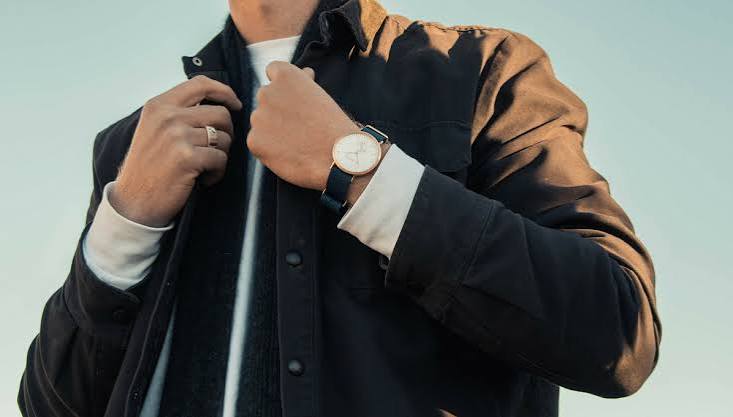
A watch can be a practical everyday accessory, a thoughtful gift, or a personal style statement. Some people wear the same watch for years, while others enjoy choosing different designs for different occasions. Whatever the preference, building a useful watch collection begins with understanding how watches fit into daily life.
A collection does not need to contain dozens of expensive timepieces. A few carefully selected watches can provide enough variety for work, casual outings, travel, and special events. The goal is to choose watches that serve different purposes while reflecting your personal taste.
1. Start With One Versatile Watch
For someone beginning a collection, a versatile watch is often the most sensible first choice. It should be comfortable, easy to read, and suitable for several settings. A clean dial, balanced case size, and neutral colour can make a watch easier to pair with different outfits.
Black, white, silver, and navy are common choices because they work well with many clothing colours. A simple design can look appropriate at the office, during a casual dinner, or at a family gathering.
Think about your everyday routine before deciding on a style. If you spend most of your time at a desk, you may prefer a lightweight watch with a slim profile. If you move around frequently, comfort and durability may matter more than decorative details.
The best first watch is one you will actually enjoy wearing. Rather than choosing a design only because it is popular, focus on your habits, preferences, and budget.
2. Understand the Difference Between Casual and Formal Designs
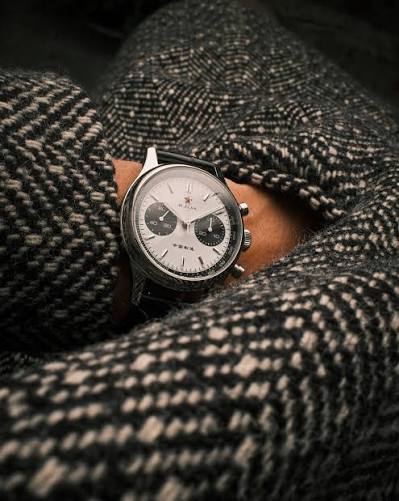
Different occasions can call for different watch styles. Casual watches often feature relaxed designs, larger displays, textured straps, or sporty details. They can work well with jeans, T-shirts, trainers, and everyday clothing.
Formal watches usually have a more restrained appearance. Slim cases, simple dials, and leather straps are common design choices. These details can complement business clothing, suits, and outfits for special occasions.
However, style rules are not absolute. A simple metal-bracelet watch can work with smart clothing and casual outfits alike. The key is to consider the overall proportions, colours, and atmosphere of the occasion.
When selecting a watch for formal use, avoid focusing only on shine or size. A design that feels balanced and comfortable can create a more timeless impression than one with excessive decoration.
3. Choose the Right Strap Material
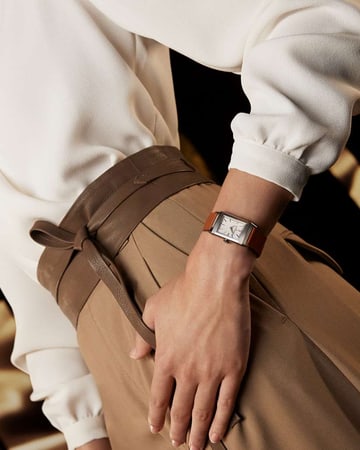
The strap influences both comfort and appearance. Leather is a classic option that can add warmth and sophistication to a watch. It is available in different colours, textures, and finishes, making it possible to find a strap that suits many personal styles.
Metal bracelets offer a different experience. They can feel substantial and create a polished or contemporary appearance. Depending on the construction, a bracelet may also be adjustable to help achieve a comfortable fit.
Fabric straps often create a relaxed, casual look. Rubber straps may suit particular sports or outdoor activities, provided the watch and strap are designed for the intended conditions.
Think about climate, activity, and maintenance when choosing a material. Leather generally needs protection from prolonged moisture, while metal bracelets may require occasional cleaning. The right choice is the one that fits your routine and feels good against your wrist.
4. Explore Different Watch Movements
Understanding the movement can help you decide which watch is right for you. Quartz watches use a battery-powered electronic system and are often appreciated for convenience and straightforward maintenance.
Mechanical watches operate through a system of springs and gears. They appeal to enthusiasts who appreciate traditional watchmaking and the engineering involved in coordinating many small components.
Automatic watches are mechanical watches that use wrist movement to wind the mainspring. Depending on the model, they may stop when left unworn for a period and need winding or resetting before use again.
No movement is perfect for every person. Someone looking for a convenient daily watch may prefer quartz, while a watch enthusiast may enjoy the experience of owning a mechanical timepiece. Consider the cost of ownership, service requirements, and your personal interest before making a decision.
5. Think About Case Size and Comfort
A watch should sit comfortably on the wrist. Case diameter is one factor, but thickness, lug-to-lug length, weight, and strap design also influence the fit.
A large watch can make a bold statement, but it may feel awkward if it extends beyond the edges of the wrist. A smaller watch may look more understated and can be easier to wear under a shirt cuff.
Whenever possible, try a watch on before buying it. Move your wrist naturally and check whether the case feels balanced. The strap should be secure without pinching the skin or restricting movement.
For online purchases, review the dimensions carefully and compare them with a watch you already own. Product photographs can be helpful, but they do not always communicate the actual size of a timepiece.
Comfort is especially important for a watch intended for daily use. Even an attractive design can become inconvenient if it feels too heavy or requires constant adjustment.
6. Decide Which Features You Really Need
Modern watches may include many features, from date displays and chronographs to luminous hands and additional time zones. These functions can be useful, but not everyone needs them.
A date display may be convenient during a busy working day. Luminous hands can help when checking the time in low light. A chronograph can provide timing functions for activities, while a dual-time display may be useful for frequent travellers.
Before paying extra for a feature, ask yourself whether you will use it regularly. Additional complications can make a dial more detailed and may affect the price or maintenance requirements.
Water resistance also deserves attention. Ratings should be interpreted according to the manufacturer's instructions; a watch described as water-resistant is not automatically suitable for swimming or diving.
Choosing only the features that matter can make the buying process simpler and help you stay within budget.
7. Build a Collection Gradually
There is no need to buy several watches at once. A gradual approach allows you to understand your preferences and discover what is missing from your collection.
After owning a versatile everyday watch, you might consider a formal design for special events. Later, a sport-inspired model or a watch with a different dial colour could provide additional variety.
Before purchasing another timepiece, consider whether it serves a different purpose from the watches you already own. If two watches look and function almost identically, you may gain more enjoyment from choosing something different.
Keeping a simple list of your existing watches can help you identify gaps. Note their colours, strap materials, movement types, and the occasions for which you usually wear them.
A collection built around real needs is often more satisfying than one assembled through impulse purchases.
8. Set a Budget and Research Carefully
A watch's price can reflect many factors, including materials, movement, finishing, design, brand positioning, and after-sales support. A higher price does not automatically make a watch the best choice for your needs.
Set a realistic budget before shopping and compare specifications across different models. Read the product description, understand the warranty, and check the seller's reputation.
For luxury watches, authenticity is particularly important. Buy from trustworthy sellers and ask about documentation, warranty coverage, and return policies where applicable. Be cautious of offers that seem unusually good without a convincing explanation.
It is also sensible to consider long-term costs. Some watches may require periodic professional servicing, while others may need only routine care and occasional battery replacement. These costs can affect the overall ownership experience.
A thoughtful purchase involves more than the initial price. It should provide the right balance of design, reliability, comfort, and value for the individual buyer.
9. Care for the Watches You Own
Simple maintenance habits can help preserve a watch's appearance and performance. Use a soft cloth to remove fingerprints and everyday dust. Follow the manufacturer's cleaning instructions and avoid harsh products that could damage the case, strap, or finish.
Keep watches away from unnecessary impacts and extreme conditions. If a watch has a leather strap, limit prolonged exposure to moisture. For watches with water resistance, follow the manufacturer's guidance and ensure that crowns and seals are handled appropriately.
Store watches in a dry, safe place when they are not being worn. If you own several watches, a dedicated storage case can help protect them from scratches and make it easier to keep track of your collection.
Pay attention to changes in timekeeping, damaged straps, loose clasps, or moisture beneath the crystal. If something seems wrong, consult a qualified watch professional rather than attempting a repair without the necessary tools or experience.
10. Let Your Collection Reflect Your Personality
A watch collection can tell a story about the person who wears it. One person may appreciate minimal designs and neutral colours, while another may prefer bold cases, unusual dials, or intricate mechanical movements.
Personal style develops over time. You may discover that you prefer lighter watches after wearing a heavy bracelet for several weeks. You might find that a simple dial suits your wardrobe better than a highly detailed design.
Pay attention to what you naturally reach for each morning. Those choices can teach you more about your preferences than trends or advertisements.
If you are exploring different styles, VANTA COLLECTION offers a place to discover inspiration related to luxury watches and timepiece design.
Conclusion
Building a useful watch collection is about making thoughtful choices rather than collecting the largest number of watches. Start with a versatile design, consider the occasions for which you need different styles, and pay attention to fit, movement, materials, and practical features.
As your preferences develop, add watches that offer something new instead of buying similar designs without a clear purpose. Set a budget, research the seller, and learn how to care for the timepieces you own.
Ultimately, the best collection is one that fits your lifestyle. Whether you own one dependable everyday watch or several carefully chosen timepieces, each watch should offer a combination of comfort, function, and personal meaning.







Responses (0)