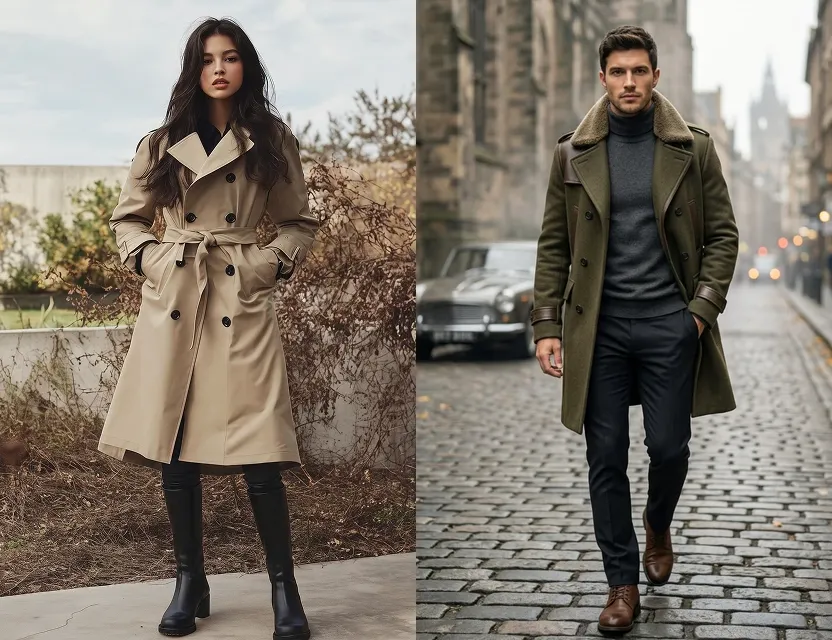
The trench coat started as realistic navy garb, yet it has grown into one of the most identified portions of outerwear in the world. Its clean traces, belted waist, and undying appearance make it suitable for almost any setting. In chillier months, trench winter coats upload warm temperature and lining to that classic design. If you're attempting to find guys' trench iciness coats or women's trench wintry weather coats, this manual will assist you understand the style, select the right suit, and wear it with self assurance.
The History Behind the Trench Coat
The trench coat was advanced in the early 20th century for soldiers who wished for safety from rain and dust. Its capabilities had realistic functions. Shoulder straps held the device, the belt secured the coat, and the double-breasted front supplied more climate protection. After the conflict, civilians followed the style, and it has become a symbol of sophistication. Today the ditch coat is a dresser conventional, seen in cities anywhere.
What Makes a Trench Coat a Winter Coat
A well-known trench coat is commonly mild and first-class appropriate to spring and autumn. A trench winter coat, but, is constructed for a less warm climate. It regularly includes a detachable heat lining made of wool, fleece, or quilted fabric. The outer shell may be fabricated from thicker cotton gabardine, wool blends, or handled cloth that resists wind and rain. Some versions include a removable hood or an excessive collar to shield the neck from the bloodless.
Key Features of a Classic Trench Coat
Double-breasted front: Two rows of buttons provide greater coverage and an established appearance.
Belted waist: The belt defines the shape and enables seal in warmth.
Storm flap: A fabric panel at the chest or shoulder adds protection towards rain and wind.
Wide collar: The collar can be turned as much as defend your neck.
Epaulettes: Shoulder straps give the coat its exclusive military look.
Deep pockets: Roomy wallets keep hands warm and assets on hand.
Fabrics Used in Trench Winter Coats
Cotton gabardine is the conventional trench cloth. It is tightly woven, obviously water resistant, and long-lasting.
Wool and wool blends give great warm temperature and a refined appearance. They shape bloodless and dry climates properly.
Polyester blends are lighter, extra less costly, and regularly wrinkle-resistant. They are practical for everyday use.
Leather creates a formidable, highly-priced trench coat that still blocks wind efficiently.
When deciding on, consider your climate. Wool is right for freezing days, at the same time as treated cotton or polyester blends paintings better in wet weather.
Choosing Men's Trench Winter Coats
For men's trench Winter coats, suit is critical. The shoulders need to sit down squarely to your shoulders, and you ought to be able to wear a suit jacket or thick sweater below. The sleeves must reach the bottom of your thumb, and the hem needs to fall among mid-thigh and knee for a balanced appearance.
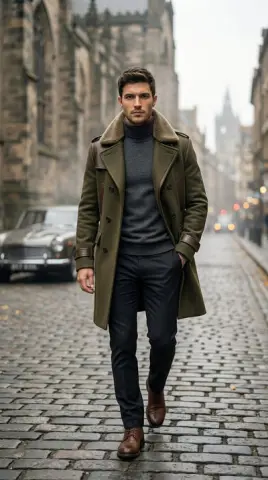
Classic hues like beige, khaki, military, and black go together with nearly the entirety. A unmarried-breasted layout seems barely extra cutting-edge and minimal, even as a double-breasted one gives a conventional, formal effect. If you trip in bloodless weather, select a coat with a removable lining so that you can adjust it throughout the seasons.
Choosing Women's Trench Winter Coats
Women's trench winter coats often emphasize form and movement. Look for a coat that lets you circulate freely while nevertheless defining the waist. The belt may be tied or buckled relying on your mood, and leaving it open creates a comfortable, flowing look.
Length is a personal choice. Knee-period coats are the most versatile, even as mid-calf patterns experience fashionable and upload more warm temperatures. Camels, stone, black, and deep inexperienced are famous sun shades. A wool combination with a warm lining is a clever alternative for wintry weather, and a removable hood adds extra safety in rain or snow.
How Should a Trench Coat Fit?
A nicely-becoming trench coat ought to sense snugness without looking shapeless. Check these points whilst attempting one on:
The shoulder seams align along with your natural shoulder line.
You can button the coat without problems over your ordinary winter layers.
The sleeves will let you bend and reach without pulling.
The coat closes without straining on the chest or waist.
If you plan to wear thick sweaters, bear in mind sizing up barely, however keep away from going too large, as it can damage the coat's shape.
Styling Your Trench Coat
The trench coat works with many outfits. For guys, pair it with a dress shirt, tie, and trousers for formal settings, or with a sweater, denims, and boots for informal days. Dark colorings consisting of army and charcoal make a sturdy base for layering.
Women can wear a trench coat over clothes, tailor-made pants, or jeans with a turtleneck. A headband in a contrasting colour adds warmth and character. Ankle boots, loafers, or clean shoes all paint properly, depending on the mood you need. Both men and women can experiment with belt patterns. Tying the belt at the lower back gives a relaxed look, whilst a knotted front belt feels conventional.
Staying Warm in Cold Weather
Even a coated trench coat may additionally want help on very cold days. Wear a thermal layer or a skinny wool sweater beneath. Add a headscarf, gloves, and a hat to guard uncovered areas. Choose a coat with a high collar or add a cushty scarf to keep drafts from entering on the neck. When the weather warms, do away with the lining and experience the coat in lighter conditions.
Caring for a Trench Coat
Check the care label earlier than cleaning. Most trench coats need dry cleaning, in particular wool or covered versions. Brush off dust and dust often with a tender garments brush. Hang the coat on a robust, wide hanger so the shoulders hold their form. If it is moist, permit it air-dry away from direct heat.
Avoid overstuffing your closet, because overwhelmed cloth wrinkles and loses structure. Treat small stains quickly with a humid cloth, and take the coat to a cleaner at the end of the season before storing it.
Where Trench Coats Work Best
Trench wintry weather coats many healthy conditions. They appear notable over office wear, paintings smoothly for tour, and get dressed up in informal weekend outfits. They cope with drizzle and wind nicely, although they're no longer made for heavy snow or extreme cold. In those situations, a parka or closely insulated coat is a better desire. For metropolis winters and slight climates, but, a trench coat offers a stability of warmth and fashion that few different coats can have.
Conclusion
The trench coat stays a favourite as it combines characteristic with timeless layout. Trench wintry weather coats expand that attraction into the less warm months with better fabrics and heat linings. Whether you are choosing men's trench wintry weather coats or ladies' trench wintry weather coats, focus on proper suits, exceptional material, and a shade that suits your wardrobe. With a bit of care, your trench coat will live sharp and reliable for lots of winters to return.






Responses (0)