Lightweight jackets are a practical addition to any wardrobe. They provide an extra layer of comfort without the heaviness of thick winter coats. Whether you need something for cool mornings, breezy evenings, travel, or everyday activities, the right jacket can help you stay comfortable while maintaining your personal style. However, choosing the right option requires more than simply finding an attractive design.
When shopping for Mens Lightweight Jackets, it is important to consider the fabric, fit, weather protection, durability, and versatility. Understanding these factors can help you choose a jacket that suits your lifestyle and offers good value for money. This guide explains what to look for before making your purchase.
1. Choose the Right Fabric
Fabric is one of the most important factors to consider when buying a lightweight jacket. The material affects comfort, breathability, durability, and protection against changing weather conditions.
Common materials include cotton, polyester, nylon, and lightweight blends. Cotton jackets are comfortable and suitable for mild weather, although they may not dry quickly when exposed to rain. Polyester is often chosen for its durability and easy-care properties. Nylon is another popular option because it is lightweight and can offer useful resistance to wind and light moisture.
Some jackets combine different materials to balance comfort and performance. Before buying, consider where and when you plan to wear the jacket. A breathable cotton jacket may work well for casual outings, while a nylon or polyester option may be more suitable for travel and outdoor activities.
2. Find a Comfortable Fit
A good fit makes a noticeable difference in how a jacket looks and feels. A jacket that is too tight may restrict movement, while an oversized design can feel uncomfortable or appear less polished.
When trying on a jacket, check the shoulders, sleeves, chest, and overall length. The shoulder seams should sit comfortably, and the sleeves should allow you to move your arms without pulling. You should also have enough room to wear a T-shirt or a thin sweater underneath.
Think about how you intend to use the jacket. A regular fit is a versatile choice for everyday wear, while a relaxed fit may be better for layering. Slim-fit styles can create a more streamlined appearance when paired with jeans or tailored trousers.
For the best results, review the manufacturer's size chart and compare the measurements with a jacket you already own.
3. Consider Weather Protection
Lightweight jackets are designed for convenience, but their level of weather protection varies. Some are made primarily for style, while others offer practical protection against wind and light rain.
If you frequently experience breezy weather, look for a jacket with a wind-resistant outer layer, secure cuffs, and a well-designed front closure. These features can help reduce the amount of cold air entering the jacket.
For light rain, water-resistant materials or a durable water-repellent finish may be useful. However, water-resistant and waterproof are not the same. Water-resistant jackets can handle limited moisture, while waterproof designs generally provide stronger protection when properly constructed.
Consider the climate in which you live before choosing a style. For mild temperatures, a simple lightweight jacket may be enough. For unpredictable weather, a design with a hood or water-resistant fabric could be a more practical investment.
4. Select a Style That Matches Your Wardrobe
The best jacket is one you can wear with different outfits. Choosing a versatile design makes it easier to create new looks without buying several jackets for different occasions.
Bomber jackets are popular for their casual appearance and ribbed cuffs. They pair well with jeans, sneakers, and basic T-shirts. Harrington jackets offer a neat, classic look that works with chinos, casual shirts, and everyday trousers. Lightweight denim jackets provide a timeless option for relaxed outfits, while minimalist zip-up jackets are suitable for travel, errands, and daily activities.
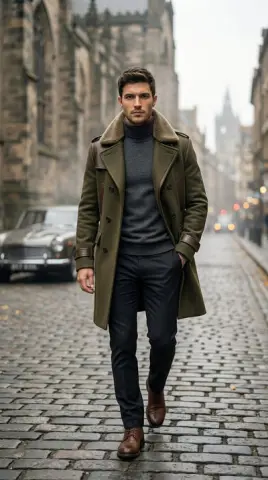
Neutral colors such as black, navy, grey, olive, and beige are easy to coordinate with other clothing. If your wardrobe mainly contains simple colors, a jacket in a brighter shade can introduce variety.
Choose a style that reflects your personal preferences rather than following every fashion trend. A versatile design is more likely to remain useful for several seasons.
5. Check the Weight and Breathability
One of the main advantages of a lightweight jacket is that it provides an extra layer without adding unnecessary bulk. However, a low weight alone does not guarantee comfort.
Breathability is especially important if you walk frequently, commute, or spend time outdoors. A breathable fabric helps moisture escape and can reduce the uncomfortable feeling of overheating. Mesh linings, ventilation openings, and moisture-managing materials may improve comfort, depending on the jacket's construction.
Consider the temperature in which you will wear the jacket. A thin, unlined design may be ideal for spring and mild autumn weather, while a lightly insulated jacket may be more appropriate for cooler conditions.
Remember that lightweight jackets are not always suitable for freezing temperatures. If you need warmth during winter, choose a design that accommodates additional layers or includes suitable insulation.
6. Examine the Quality of Construction
A jacket's appearance may attract your attention, but its construction determines how well it performs over time. Before buying, inspect the stitching, zippers, buttons, lining, and seams.
Look for neat stitching without loose threads or uneven sections. The zipper should move smoothly, and buttons or snaps should feel secure. Check the pockets to make sure they are properly attached and large enough for your everyday essentials.
The lining should sit comfortably without bunching, and the seams should not create irritation when you move. If the jacket includes elastic cuffs, adjustable hems, or a hood, check that these features work as intended.
Reading customer reviews can also help you understand whether a product maintains its shape and appearance after repeated use. Reliable construction can make a jacket a better long-term purchase, even if its initial price is slightly higher.
7. Look for Useful Features
Small design details can make a lightweight jacket more convenient. Pockets, adjustable cuffs, secure closures, and packable construction are examples of features that may improve everyday use.
If you travel regularly, a jacket that folds easily into a bag can be particularly useful. Secure pockets help keep your phone, keys, and wallet in place while you are moving. A two-way zipper or adjustable hem may provide additional flexibility in certain designs.
For outdoor activities, consider features such as a protective hood, quick-drying fabric, and wind-resistant construction. For office commutes or casual social occasions, a clean design with discreet pockets may be more appropriate.
Avoid paying extra for features you are unlikely to use. Focus on the details that support your daily routine and make the jacket more comfortable or practical.
8. Compare Price and Overall Value
Price is another important consideration when choosing a lightweight jacket. An inexpensive option may be suitable for occasional use, while a more expensive jacket may offer better materials, improved construction, or additional weather protection.
Instead of focusing only on the price tag, compare the quality, versatility, care requirements, and expected frequency of use. A neutral jacket that works with several outfits may offer better value than a trendy design you wear only occasionally.
Check the product description carefully to understand the materials and features included. Review the return policy and sizing information when shopping online, especially if you are unfamiliar with the brand.
At Jacket Mode, exploring different outerwear styles and learning about their materials, fit, and practical features can help you make a more informed decision. The goal is to find a jacket that meets your needs rather than simply choosing the cheapest or most fashionable option.
9. Understand Cleaning and Maintenance Requirements
Proper care helps maintain a jacket's appearance and extend its useful life. Before purchasing, check the care label to see whether the material requires machine washing, hand washing, or professional cleaning.
Many polyester and nylon jackets are relatively easy to maintain, but specific care instructions vary by product. Some cotton jackets may shrink if washed incorrectly, while special coatings can lose effectiveness when exposed to unsuitable detergents or excessive heat.
Empty the pockets before cleaning, close zippers, and follow the manufacturer's instructions. Allow the jacket to dry completely before storing it to help prevent unwanted odors and moisture buildup.
If you plan to wear the jacket frequently, choosing a material that fits your cleaning routine can save time and effort.
10. Choose a Jacket for Your Lifestyle
Your daily activities should guide your final decision. Someone who travels frequently may prefer a packable, wrinkle-resistant jacket. A person looking for casual everyday clothing might choose a bomber or denim style. Those who spend time outdoors may benefit from wind resistance, water resistance, and practical pockets.
Before purchasing, ask yourself three questions: Where will I wear this jacket? What weather conditions will it need to handle? Can I combine it with the clothes I already own?
Answering these questions will help narrow your choices and prevent unnecessary purchases. The right lightweight jacket should feel comfortable, suit your personal style, and perform well in the situations for which it was designed.
Conclusion
Buying the right lightweight jacket involves balancing comfort, style, quality, and functionality. Pay attention to fabric, fit, weather protection, construction, useful features, and maintenance requirements before making your decision. These details can help you find an option that fits your needs and provides lasting value. When comparing Mens Lightweight Jackets, focus on how the jacket will fit into your everyday life instead of choosing based on appearance alone. Explore different materials and styles, compare product details, and select a design that complements your wardrobe. With practical outerwear guidance from Jacket Mode, you can make a more confident choice and find a lightweight jacket that combines everyday comfort with timeless style.
Looking to explore another timeless outerwear option? Check out our guide to Men’s Windbreaker or Puffer Jacket for styling tips and outfit inspiration.





Responses (0)