
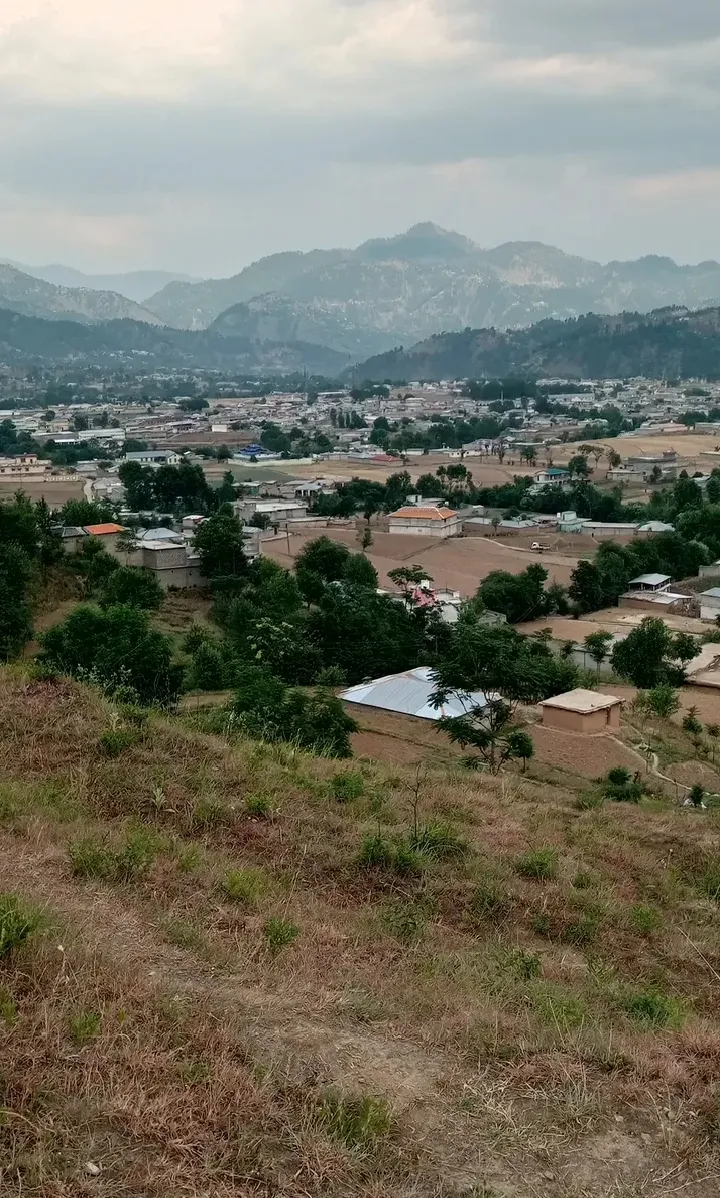
Two days before she was supposed to leave, Lizzie found herself wanting to return to the very life she had once been desperate to escape. The thought unsettled her. Nothing about the village seemed different: the fields were still green, the air was still fresh, and the sky was still wide. Yet, somehow, the place no longer felt the same. Lizzie could not explain it—not yet.
Two years earlier, after finishing her second-year board examinations, Lizzie had gone to her village for her cousin’s wedding. She had been tired of city life and was eager for a change. The village felt like exactly what she needed.
It was June, yet the air was cool and fresh. Green meadows stretched across the land, cows moved slowly through the fields, and the air carried a clean, earthy smell. There were no crowded roads, no constant horns, and no tall buildings pressing against the sky. The village seemed like a painting that Allah had left unfinished so that nature could continue adding to it. Lizzie loved it.
The village as Lizzie first saw it.
Breakfast felt different too. Fresh farm eggs, tea made from freshly milked cow’s milk, and freshly baked bread were placed before her. In the city, such things were rare sights. Here, they seemed ordinary.
Lizzie walked around the village often. Some paths were clean and grassy, while others were muddy and uneven. At lunch, salad and vegetables came from the family’s own home-grown garden. In the afternoon, she took naps and later visited nearby springs and lakes. She watched village women washing clothes in the water.
Everything seemed simple. Everything seemed peaceful. And because she was a visitor, everything seemed free.
Lizzie and her cousin Kiran were almost the same age. They laughed together and shared the ease that comes with being young. But there was one important difference between them. Lizzie had a life waiting for her in the city: she would return to her studies, her academy, her books, and her plans. Kiran had been born and raised in the village. She was not visiting it for a few days. This was her life.
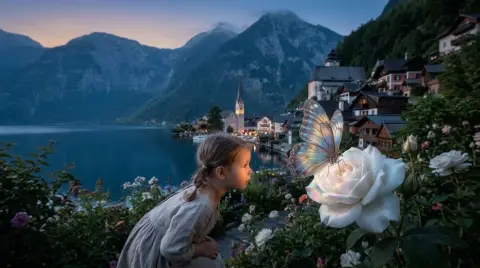
The landscape behind the daily work.
The landscape behind the daily work. One day, while they were talking, Lizzie learned that Kiran was no longer studying. When Lizzie asked what she did during the day, Kiran simply explained that there was not much to do. Her days were almost always the same: household work, looking after the cows, bringing grass for them, and helping wherever she was needed. Lizzie listened quietly. She had always looked at the village as a place of escape. Kiran looked at it as the place where she had to stay. The thought stayed with Lizzie. Not yet, she realised. She had not understood the whole picture yet.
The next morning, Kiran took the cows out to graze. Lizzie watched her walk away and suddenly remembered the milk she had enjoyed every morning. It had not simply appeared on the breakfast table. Someone had woken up, cared for the cows, brought them out to graze, and done the work that made that simple breakfast possible.
The more Lizzie observed, the more she noticed the work hidden behind the things she had found beautiful. Kiran cared for the cows. Her aunt prepared fresh bread. Vegetables had to be planted, watered, protected, and patiently waited for before they could be served at lunch.
Even the river looked different when Lizzie stopped to think about it. She had seen the women washing clothes there and had admired the peaceful water. But for those women, the same river was also a workplace—a place where time, effort, and responsibility were spent every day.
Lizzie began to notice the hands behind the beauty, the labour behind the simplicity, and the responsibilities behind the peace. Kiran’s words finally began to make sense.
The village was still beautiful. The fields were still green, the air was still fresh, and the river still moved quietly. But Lizzie had started to understand that beauty and difficulty could exist in the same place.
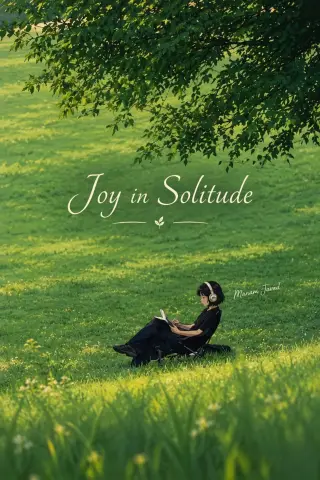
The same place, seen differently.
Her stay was supposed to be short, but it gradually became longer. At first, Lizzie enjoyed every extra day. Then she began to miss her routine. She missed her studies, her academy, her books, and even the things she had once complained about. There was no Wi-Fi, and the quiet that had first felt refreshing began to feel heavy.
That was when Lizzie understood something important: she had wanted rest, not escape. There is a difference between escaping your life and escaping from its exhaustion.
By the eleventh day, Lizzie found herself wanting to go home. She still looked at the fields and thought they were beautiful. She still loved the fresh air. But now she understood Kiran more clearly.
Beauty did not make life easy. The fields required work. The cows required care. The bread required preparation. The vegetables required patience. Even the river and the quietness of the village were connected to routines, responsibilities, and, sometimes, monotony.
Lizzie had the freedom to return to another life. Kiran did not have that same freedom.
Lizzie still loved the village. She did not begin to dislike nature, because nature itself had never been the problem. Looking at the sky, the fields, and the beauty of Allah’s creations could still quiet her heart. But she no longer looked at the village only through the eyes of a visitor.
She began to understand that sometimes a place feels peaceful precisely because we are free to leave it. Kiran had been teaching her, without meaning to, that another person can stand in the same beautiful place and experience something completely different.
When Lizzie finally left, she looked back through the car window. The fields were still there. The sky was still wide. The air was still fresh. Nothing seemed to have changed.
Yet Lizzie knew that she had changed. She had arrived as someone looking for an escape from the city, but she was leaving with a deeper understanding of the life she had been so quick to romanticise.
The village had taught her that a beautiful view does not tell the whole story. A peaceful place can contain hard work. A simple life can carry heavy responsibilities. And the same landscape can feel completely different depending on whether someone is free to leave it or has to remain there.
Nothing about the village had changed.
Only the way Lizzie saw it had.




Responses (0)