
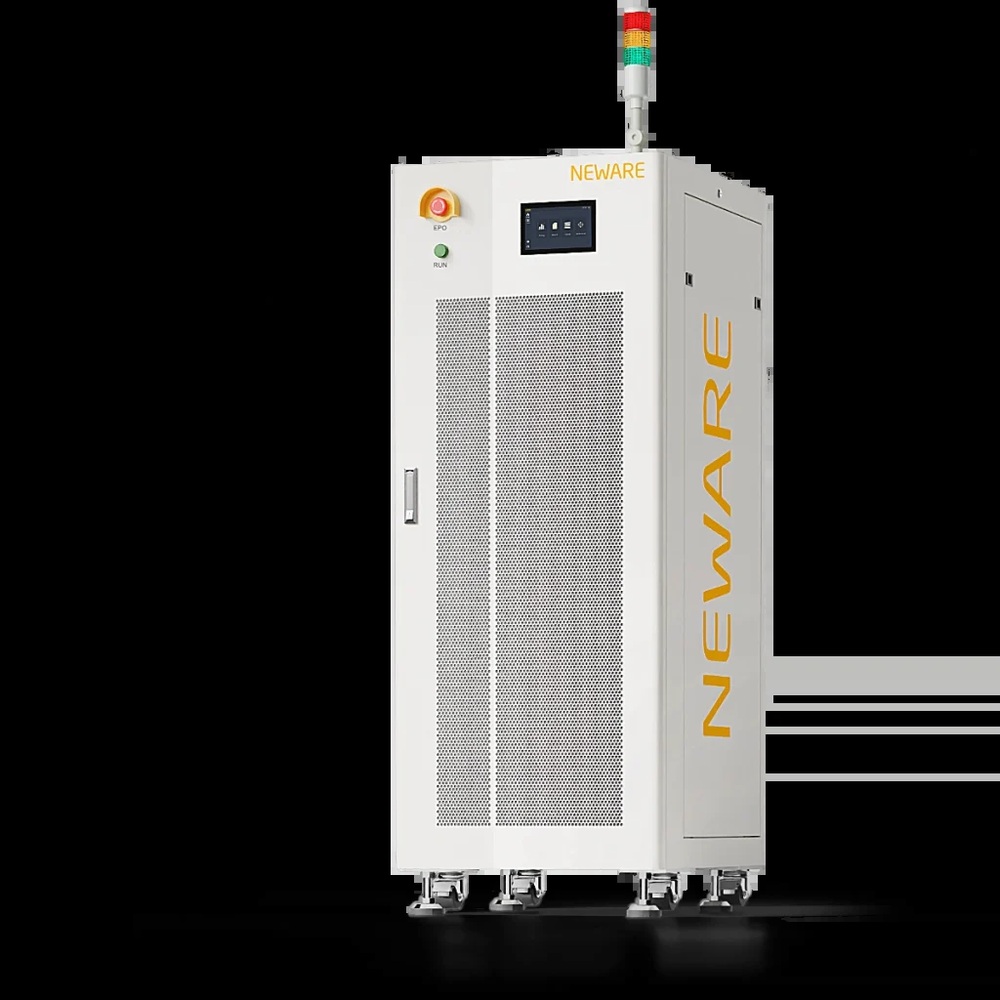
A cell test can run for weeks and still answer the wrong question. One engineer sets a cut-off condition differently, another forgets to document the rest period and the temperature chamber is changed halfway through. The resulting curves look precise but cannot be compared confidently. When using equipment such as Neware BTS4000, the starting point should be a written test protocol that defines what each channel is trying to measure.
Begin with cell identification and safety. Record manufacturer, form factor, chemistry, rated capacity and the condition of the test specimens. Use fixtures and electrical limits approved for the application. Battery testing involves stored energy, heating and potentially hazardous failure modes, so trained staff need suitable protection, monitoring and emergency procedures. Generic internet charge settings are not an acceptable substitute for the cell maker's guidance and a reviewed laboratory procedure.
A useful protocol names the charge and discharge steps, current or power mode, voltage limits, rest intervals and termination criteria. It also identifies the expected temperature range and the frequency of measurements. If the objective is cycle life, state how capacity checks will be performed and what constitutes end of life. If the objective is pulse response or internal resistance, use a method appropriate to that question. Mixing methods between batches can make the data appear to show a material improvement that never occurred.
Channel calibration and connections deserve attention. Lead resistance, contact quality and fixture repeatability can influence measurements, especially when comparing small differences. Confirm the calibration state and check representative channels before committing an entire rack to a long test. Keep cable routing and cell placement consistent where they could affect temperature. A suspicious curve might reflect a contact problem, not a dramatic change in cell chemistry.
Data traceability must survive staff changes. Store the test-file version, channel number, cell identifier, equipment information and deviations alongside the measurements. Exporting a CSV without context makes later analysis difficult. Watch for missing timestamps, restarted tests and records that stop just before a failure. Plotting capacity against cycle count is useful, but a graph alone rarely tells the whole story without environmental and procedural notes.
A useful test review includes representative plots and the raw records behind them. If one cell loses capacity unusually quickly, check whether its temperature or connection history differed from its neighbours. Do not exclude the curve merely because it makes the average look untidy. Decide in advance what constitutes an invalid experiment, such as a documented fixture failure, and retain the reason for any exclusion. This protects the study from selective interpretation after results are known.
Think about the handover from cycling to analysis. File naming, units and timestamp conventions should be settled before hundreds of tests begin. A laboratory can spend weeks reconstructing which channel belonged to which specimen after an otherwise successful test campaign. A small amount of metadata discipline at the start is much easier than forensic reconstruction at the end.
Long-duration tests need a plan for interruptions. What will the controller do after power is restored, how is a partially completed cycle labelled and when is a run considered invalid? Review these possibilities before committing valuable cells and laboratory time. Any restart should leave an auditable trace in the data. A cycling programme that cannot explain its interrupted runs is difficult to use for formal comparison, even if the equipment resumes operation without an obvious error.
When reviewing results, compare a set of cells rather than treating the best channel as representative. Investigate outliers before removing them, and distinguish genuine cell variation from fixture or logging faults. A strong battery test produces a result that another engineer can reproduce and challenge. The real achievement is not the volume of data collected; it is the confidence that the data describes the same experiment each time.
The search term “Neware BTS4000” covers several possible products or services, so the actual specification and scope should be confirmed before making a selection.
Official website: Neware BTS


Responses (0)