
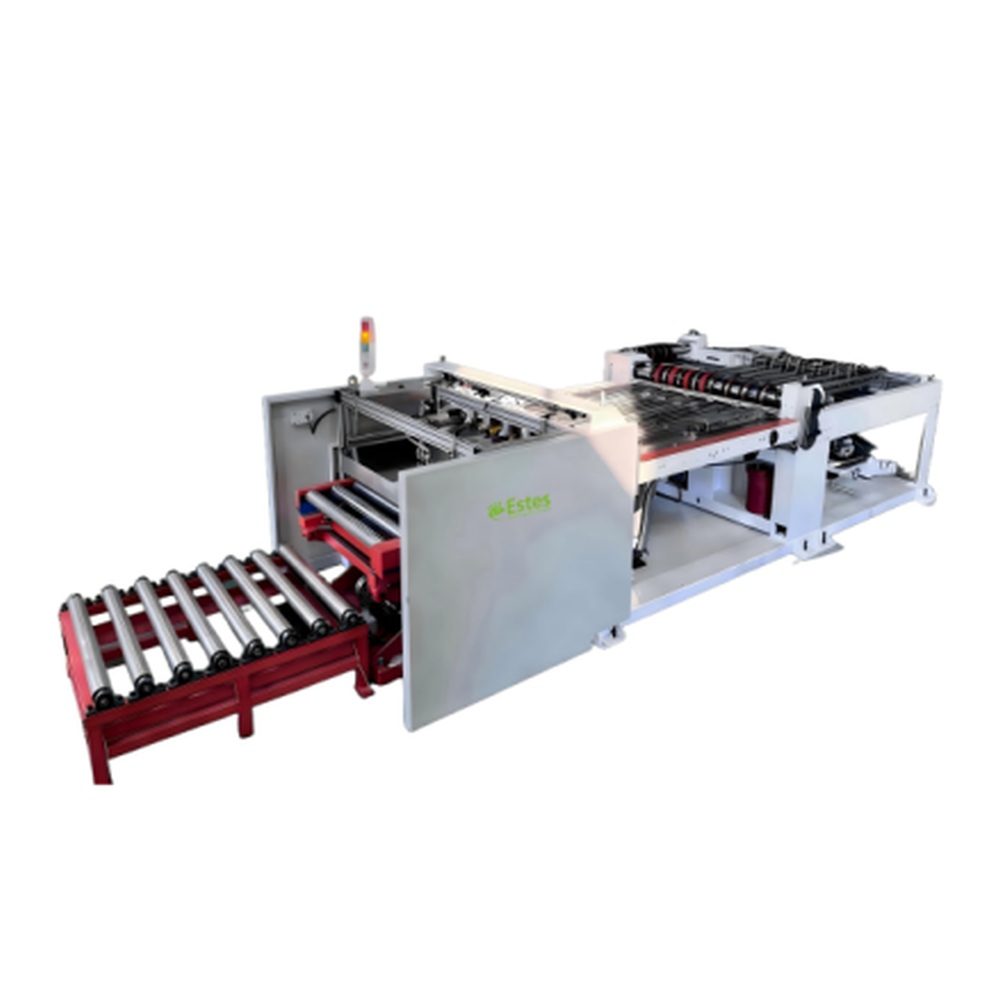
A can-making machine can produce a neat sample during commissioning and still generate costly scrap in regular operation. Small changes in incoming material, tooling wear and transfer alignment begin to show up as dents, distorted rims or dimensional variation. The production team may respond by adjusting several settings at once, making the original fault harder to identify. The better approach is to follow the defect through the line and locate the first process stage where it appears.
Build a defect map. Photograph rejected cans from consistent angles and note whether the issue is concentrated on a particular side, station or time of day. A dent created during transfer should not be blamed on the forming tool simply because the defect is visible on the finished part. Likewise, a rim variation may originate in an earlier blank or draw operation. Record the material lot and tooling status beside each observation so that patterns do not disappear into an undifferentiated scrap total.
Tooling alignment deserves careful review. Dies, punches and guides must work together within the equipment's design tolerances. Wear or incorrect setup can produce local stresses that worsen downstream. Adjustment should follow the machine maker's procedure and lockout requirements, never a trial-and-error intervention near moving equipment. Inspect lubrication arrangements and contamination where relevant because changes in friction can influence forming behaviour and finished surface condition.
Incoming material also matters. Thickness variation, temper, surface condition and coating can affect how stock behaves during forming. A line proven on one material cannot automatically be assumed to behave identically on another. When a defect rises after a supplier or batch change, preserve samples and check the relevant incoming measurements before changing machine settings. The aim is to separate a process fault from a material interaction.
Run controlled trials. Change one relevant variable at a time, retain acceptable and rejected pieces and observe whether the defect pattern moves. Production speed may affect transfer reliability, but slowing the line until every part passes is not a complete solution if the project depends on a higher rate. Record the output, rework and scrap under the conditions the customer actually expects. A clean-looking single can does not establish process capability.
Quality data should be expressed by defect type, not only as total scrap percentage. A rising count of rim defects after a tool change may demand different action from random body dents distributed throughout the shift. Track the time and machine station involved, then compare the records with maintenance activity. This can reveal whether a fault correlates with tooling life, a transfer adjustment or a material lot.
At production approval, agree on how many consecutive acceptable parts are needed and which dimensional or cosmetic limits apply. The exact criterion depends on the contract and product, so it should be defined rather than invented. Save samples that show the acceptance boundary. When operators later debate whether a slight mark is acceptable, a documented reference is much more useful than the memory of a commissioning demonstration.
Spare tooling and maintenance records are part of process reliability. If a guide wears gradually, staff need an inspection reference and access to an approved replacement. Waiting until finished cans show severe damage may create scrap that could have been avoided. Define safe inspection intervals based on equipment guidance and actual wear observations. A production team with good defect records can make maintenance more targeted, reducing unnecessary adjustment of stages that are still functioning correctly.
Commissioning should include operators and maintenance staff, not only the sales team and project engineer. They need safe access for inspection, clear lubrication instructions, spare-part identification and records of approved settings. A successful can-making line is one where faults can be located and corrected systematically. That repeatability is more valuable than an isolated demonstration of maximum speed.
The search term “can making machine” covers several possible products or services, so the actual specification and scope should be confirmed before making a selection.
Official website: Golden Eagle



Responses (0)