
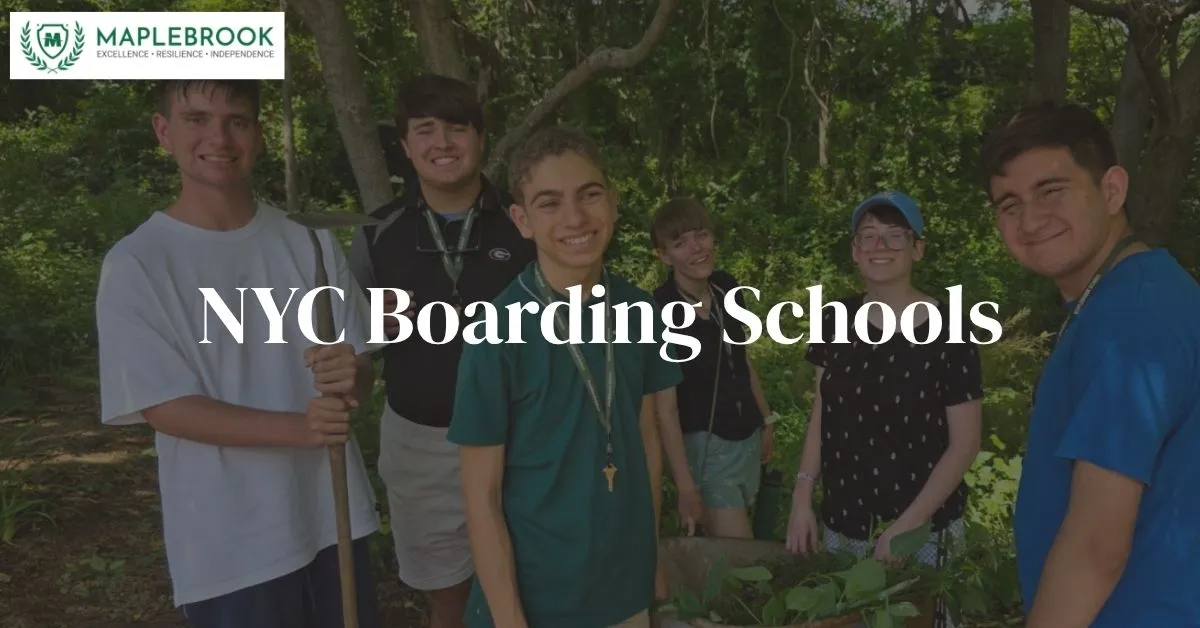
Every student deserves an educational environment where they feel supported, valued, and encouraged to grow. Residential education offers opportunities to develop skills that extend beyond textbooks and classroom lessons. Through shared experiences, daily routines, and positive interactions, students can build confidence, discover personal interests, and prepare for greater independence.
Developing Life Skills Through Campus Activities
At Maplebrook School, Boarding School Life creates opportunities for students to practice important skills in a supportive community. Participating in recreational activities, managing personal schedules, and interacting with peers can help students become more responsible and comfortable in different social situations.
A structured residential environment also encourages students to develop healthy routines while learning how to balance academic responsibilities with personal interests.
Valuable Experiences That Support Student Development
Campus activities and everyday interactions can contribute to several important areas of growth:
- Communication Skills: Learning to express thoughts and interact confidently with others.
- Personal Responsibility: Developing habits for managing belongings and daily schedules.
- Friendship Building: Creating positive relationships through shared experiences.
- Decision-Making: Practicing independent choices with appropriate guidance.
- Community Engagement: Participating in school events and collaborative activities.
These experiences can help students develop practical abilities while feeling connected to their educational community.
Supporting Future Academic and Personal Goals
As students progress through their education, families often begin researching suitable College Options that match individual learning preferences, academic abilities, and long-term interests. Understanding available support resources can help students prepare for future educational transitions.
Many Boarding Schools for Special Needs Students recognize that academic progress and personal development should work together. Structured learning environments, individualized attention, and practical skill-building opportunities can help students strengthen confidence and prepare for responsibilities beyond school.
Conclusion
A meaningful residential educational experience combines learning, social interaction, and personal development. When students receive encouragement and opportunities to practice independence, they can develop important skills for everyday life. Supportive campus communities help students build friendships, recognize their strengths, and approach future educational opportunities with greater confidence.



Responses (0)