
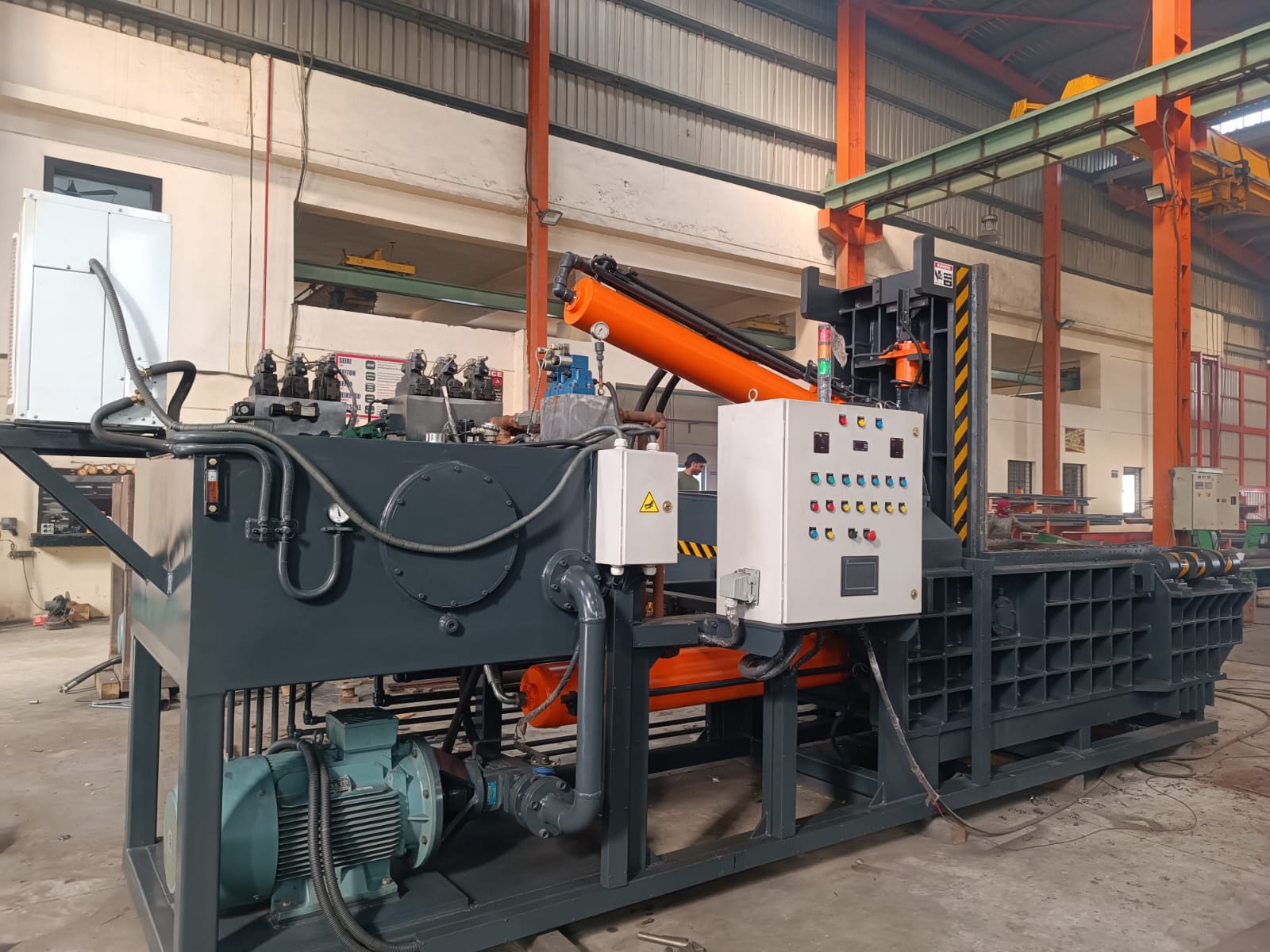
Scrap metal might have resale value, but getting it ready for a buyer is rarely free. Loose pieces occupy storage bays, require frequent handling and leave unused gaps in trucks. For a busy factory or recycling business, these small inefficiencies add up. The way scrap is prepared for movement can be almost as important as the quantity collected.
From Bulky Pieces to Consistent Bales
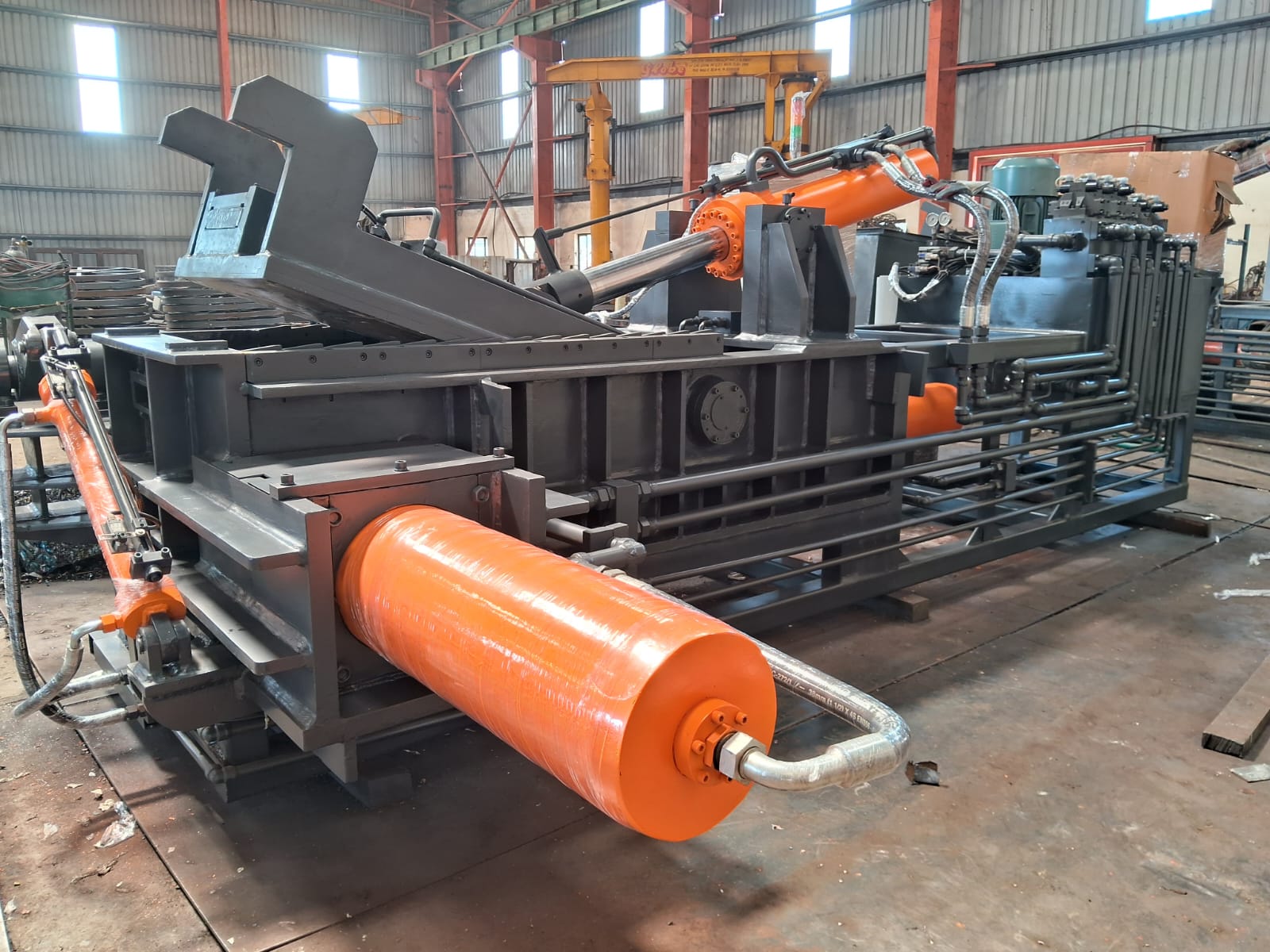
A Triple Compression Scrap Baling Press applies hydraulic pressure from three directions to bring appropriate metal scrap into a compact shape. Instead of moving irregular offcuts individually, a yard can handle finished bales with suitable material-handling equipment. The resulting shape can also help teams organise loads by material category and keep dispatch areas less cluttered.
Baling does not change the weight of metal entering the process, apart from any material lost or removed during preparation. Its main advantage is reducing wasted space. Results will vary according to the scrap mix, chamber dimensions and how the finished bales are handled.
Where Operational Savings May Appear
Space is the first consideration. A warehouse with limited room may be able to store more processed material in the same designated area once loose stock is compressed. That can make routes for workers and vehicles clearer, although safe stacking heights and load limits still apply.
Transport is another important factor. Denser, more uniform bales may allow better use of a truck's available loading volume. Whether this reduces trips depends on weight restrictions, bale dimensions and the distance travelled. Businesses should compare their existing loading patterns with realistic figures rather than assume a fixed percentage saving.
A hydraulic metal baler can also reduce some repetitive manual handling. Staff will still be needed for sorting, feeding, monitoring, unloading and general housekeeping, but a properly designed workflow can help them spend less time chasing scattered scrap across the yard.
Plan for the Whole Processing Line
A scrap press works best when the material reaching it is suitable. Oversized components may need cutting with shearing equipment before baling. Metal turnings may call for a different solution, such as briquetting. Mixed or contaminated materials may require additional sorting, and operators should not feed prohibited items into the chamber.
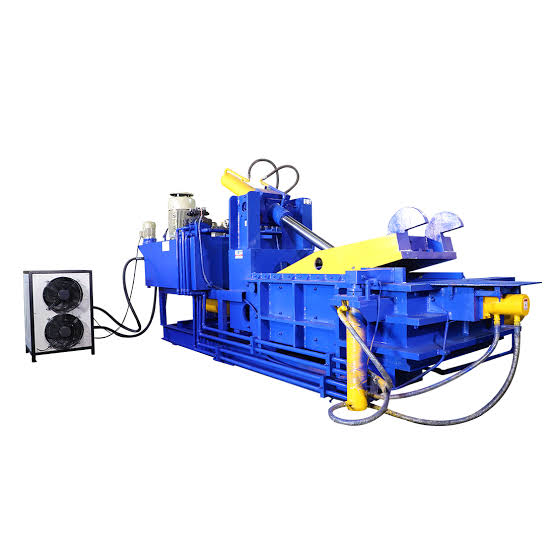
This is why purchasing decisions should consider the complete processing line rather than just the press. Rolcon India supplies industrial recycling machinery across categories such as balers, scrap shears, shredders and briquetting machines. Its stated after-sales support is another point worth discussing when comparing suppliers.
Check Costs Beyond the Purchase Price
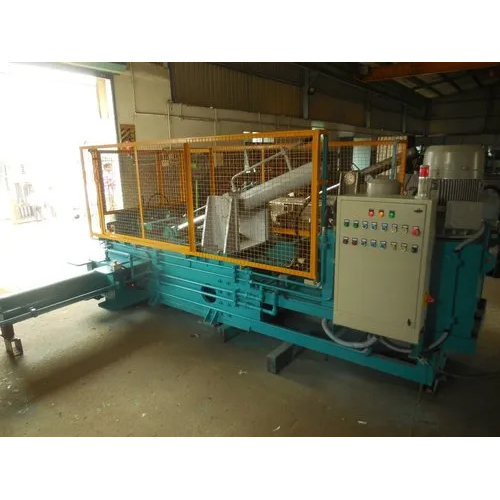
For any industrial scrap baling equipment, the long-term budget should account for power consumption, hydraulic maintenance, consumables, operator training and planned downtime. Ask how service requests are handled and what inspections the operator must perform. Access around the equipment and a suitable foundation can also influence installation planning.
Make Scrap Management Measurable
A useful starting point is to record how much scrap moves through the yard, how much floor space it occupies and how often collections take place. Review those figures after introducing a baling system. The clearest business case comes from measured improvements in storage, handling and dispatch rather than promotional claims alone.







Responses (0)