The growing demand for reliable electricity in industrial and commercial sectors is bringing renewed attention to three phase inverter technology. As factories expand automation, businesses upgrade electrical infrastructure, and solar installations become more widespread, three phase inverters are gaining importance as a practical solution for managing different power requirements.
Three phase inverters convert direct current (DC) electricity into three-phase alternating current (AC). Unlike single-phase systems, three-phase power uses three electrical waveforms operating at different phases, allowing power to be distributed more evenly. This makes the technology particularly valuable for applications involving industrial motors, heavy machinery, compressors, pumps, and commercial electrical equipment.
Industrial Applications Continue to Expand
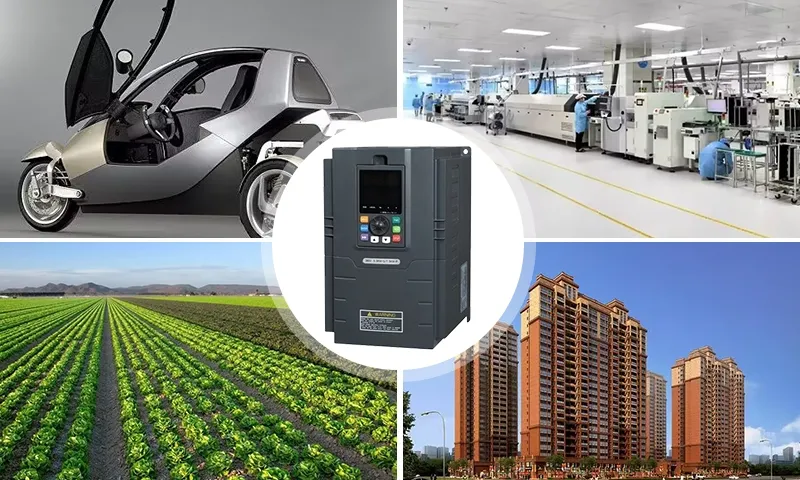
Manufacturing facilities depend on stable electrical supplies to keep production lines operating efficiently. Three phase inverters can provide power for equipment requiring three-phase electricity, making them suitable for various industrial environments. Their ability to accommodate substantial electrical loads also makes them an important consideration in system design and equipment upgrades.
Beyond manufacturing, three phase inverter systems are used in commercial buildings, agricultural facilities, water treatment installations, and other environments where reliable three-phase power is required.
Solar Energy Creates New Opportunities
The expansion of commercial solar energy is further increasing interest in three phase inverter solutions. Solar panels generate DC electricity, which must be converted into AC electricity before it can supply conventional electrical equipment or be integrated into compatible power systems.
Three phase solar inverters make this conversion possible for larger installations, including industrial rooftops, warehouses, and commercial solar projects. Depending on the inverter configuration, additional features may include grid synchronization, energy monitoring, and protective functions.

Choosing the Right Inverter Becomes Essential
Industry professionals emphasize the importance of matching inverter specifications with actual operating requirements. Rated power, DC input voltage, AC output voltage, frequency, conversion efficiency, overload capacity, and protection mechanisms are among the key factors to evaluate.
The type of application also matters. Some installations prioritize continuous industrial operation, while others focus on renewable energy conversion or backup power. Selecting an appropriate model helps ensure compatibility with connected equipment and supports dependable system performance.
As demand for industrial electrification and renewable energy continues to develop, the three phase inverter market is attracting attention from equipment manufacturers, system integrators, and commercial buyers. Companies such as Inverter.com offer three phase inverter solutions for different electrical applications, providing customers with additional options when planning or upgrading their power systems.
With applications extending from traditional industrial machinery to modern frequency inverter, three phase inverter technology is expected to remain an important part of the evolving global power infrastructure.






Responses (0)