
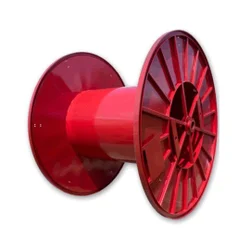
A cable may look strong from the outside, but poor storage can create problems long before it reaches its final location. Heavy cables are difficult to carry in loose bundles. They can twist, drag along the floor, or take up more room than expected. This is why cable drums are an important part of electrical and industrial work.
For businesses searching for Cable Drums Manufacturers in Delhi NCR, the aim should be to find equipment that makes cable storage and movement easier without putting unnecessary strain on the material.
Why Proper Cable Storage Matters
Think about a construction site where a long cable has to be laid across a large area. If it is pulled from a loose pile, workers may need to stop repeatedly to remove knots. The cable can also rub against rough surfaces. A suitable drum keeps the cable wound in an orderly way and allows it to be paid out as the job moves forward.
The same idea applies inside factories. When cables are stored properly between jobs, teams can find and prepare them more quickly. It becomes easier to keep the working area clear and avoid confusion between different cable lengths.
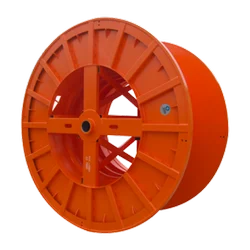
Understanding the Design of a Cable Drum
A cable drum generally has a centre barrel and two round side flanges. The barrel holds the wound cable, while the flanges help keep it from slipping off the sides. Drums may be made from steel, wood, or plastic, depending on the load and the intended use.
Industrial applications often need strong drums that can be moved or placed on suitable winding equipment. A drum must match the cable's weight and minimum bending requirements. Picking a reel simply because it looks large enough is not always a good idea.
Where Cable Drums Are Used
Power cable projects rely on drums during storage, delivery, and installation. Telecom teams use them for long communication cables. Construction contractors need them when cables are moved between different parts of a worksite.
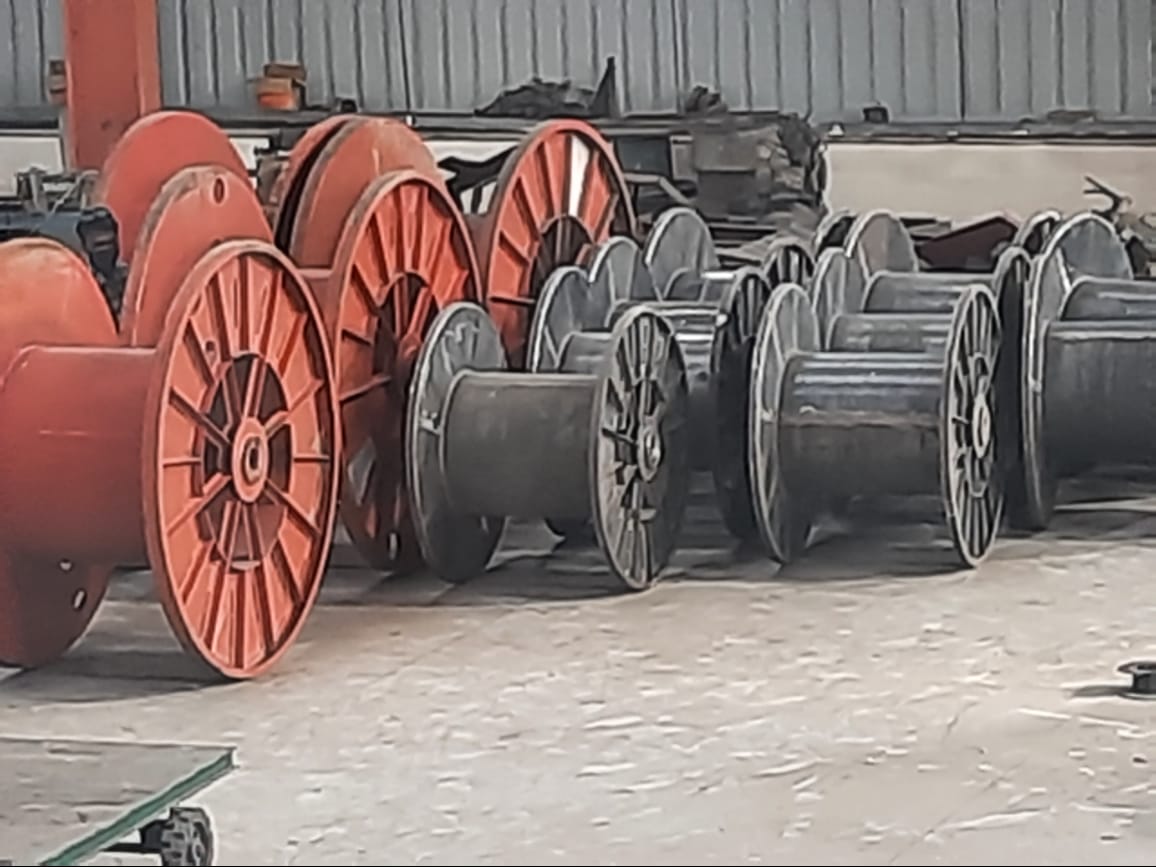
Manufacturing facilities may also use process cable drums to feed cable or similar material into production equipment. In such workplaces, a steady supply of material can help operators complete tasks with fewer interruptions.
What to Check Before Ordering
Start with the cable diameter, total length, and loaded weight. Next, check the barrel diameter, flange dimensions, and how the drum will be lifted or rotated. Ask whether the drum is intended for transport, storage, or repeated use in a production line.
Size options can differ across applications. Rolcon India offers industrial cable drum solutions, including process cable drums and size ranges suited to different cable handling requirements.
It is also helpful to discuss loading conditions and available storage space with the supplier. Clear measurements prevent avoidable problems when the equipment arrives.
Final Thoughts
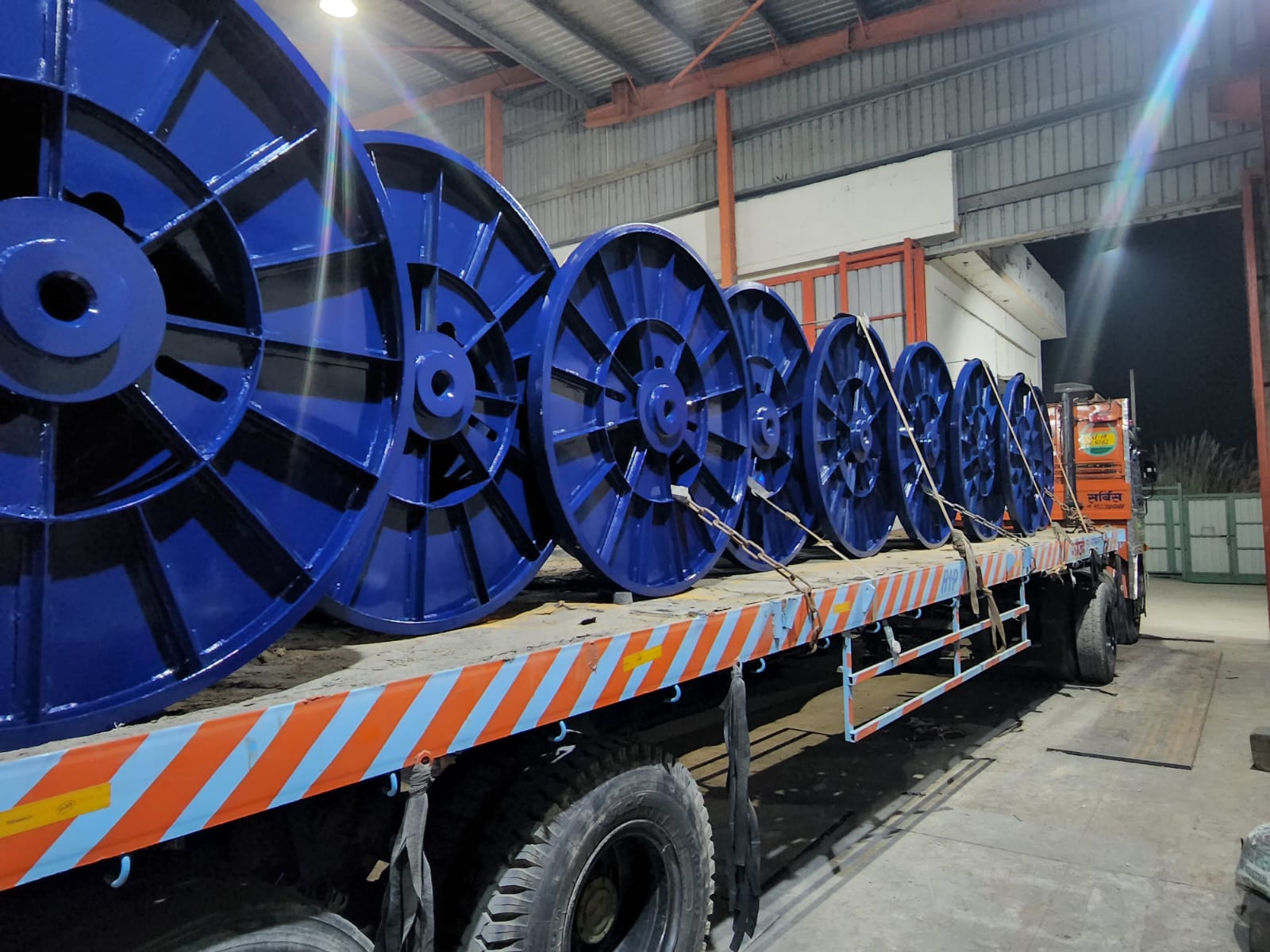
A cable drum is more than a round frame for holding cable. It supports safer handling, orderly storage, and smoother movement from one stage of a project to another. Choosing the right design for the cable and the worksite can make daily operations simpler for everyone involved.



Responses (0)