
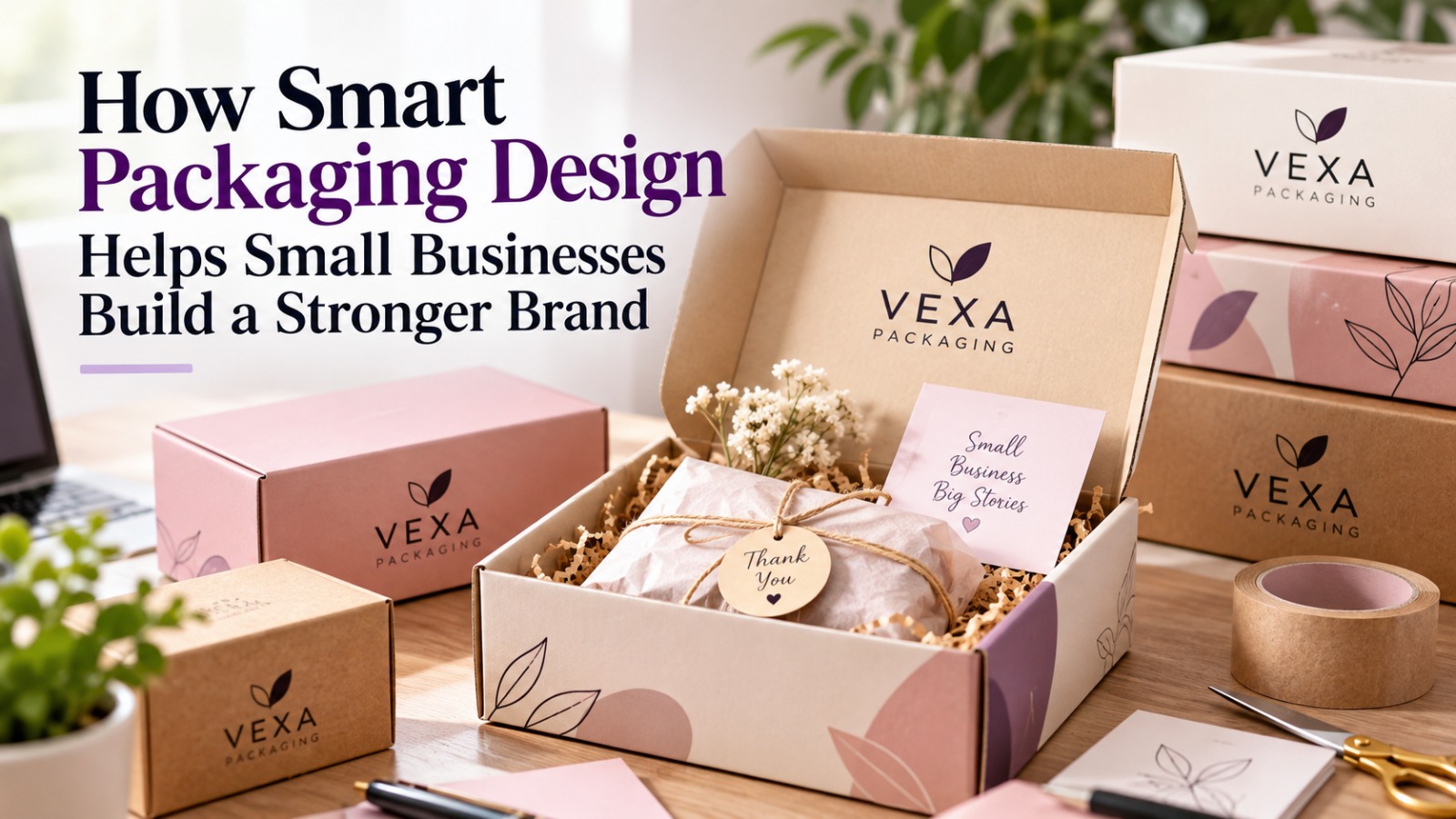
Packaging is often the first physical interaction customers have with a business. Before they try a product, they notice its box, label, colors, materials, and overall presentation. For small businesses, these details can influence first impressions and help create a more recognizable brand.
Whether a business sells skincare products, handmade gifts, jewelry, food, or electronics, thoughtful packaging can support both product protection and brand identity.
Why Packaging Matters for Small Businesses
Small businesses compete not only on product quality and price but also on the overall customer experience. Packaging can help communicate professionalism, establish consistency, and make products easier to recognize.
A carefully designed package may also encourage customers to share their purchases on social media. However, attractive packaging works best when it complements a quality product and a reliable customer experience.
1. Create a Consistent Visual Identity
A recognizable packaging design starts with consistency. Businesses can select a small color palette, readable typography, and clear logo placement to create a unified appearance across products.
For example, a skincare brand might use clean layouts and soft colors, while a handmade gift business may prefer warm tones and decorative details. The design should reflect the product and the audience rather than follow every passing trend.
Consistent packaging helps customers connect different products to the same business.
2. Choose Materials That Protect the Product
Appearance is important, but packaging must also perform its primary function: protecting the product.
Boxes should be appropriate for the product's size, weight, fragility, and shipping conditions. Fragile items may require inserts or cushioning, while lightweight products may need simpler packaging.
Businesses should test packaging before using it at scale. A package that looks attractive but allows products to arrive damaged can increase returns, replacement costs, and customer frustration.
3. Make the Unboxing Experience Memorable
For online businesses, packaging becomes part of the customer's first in-person experience with the product.
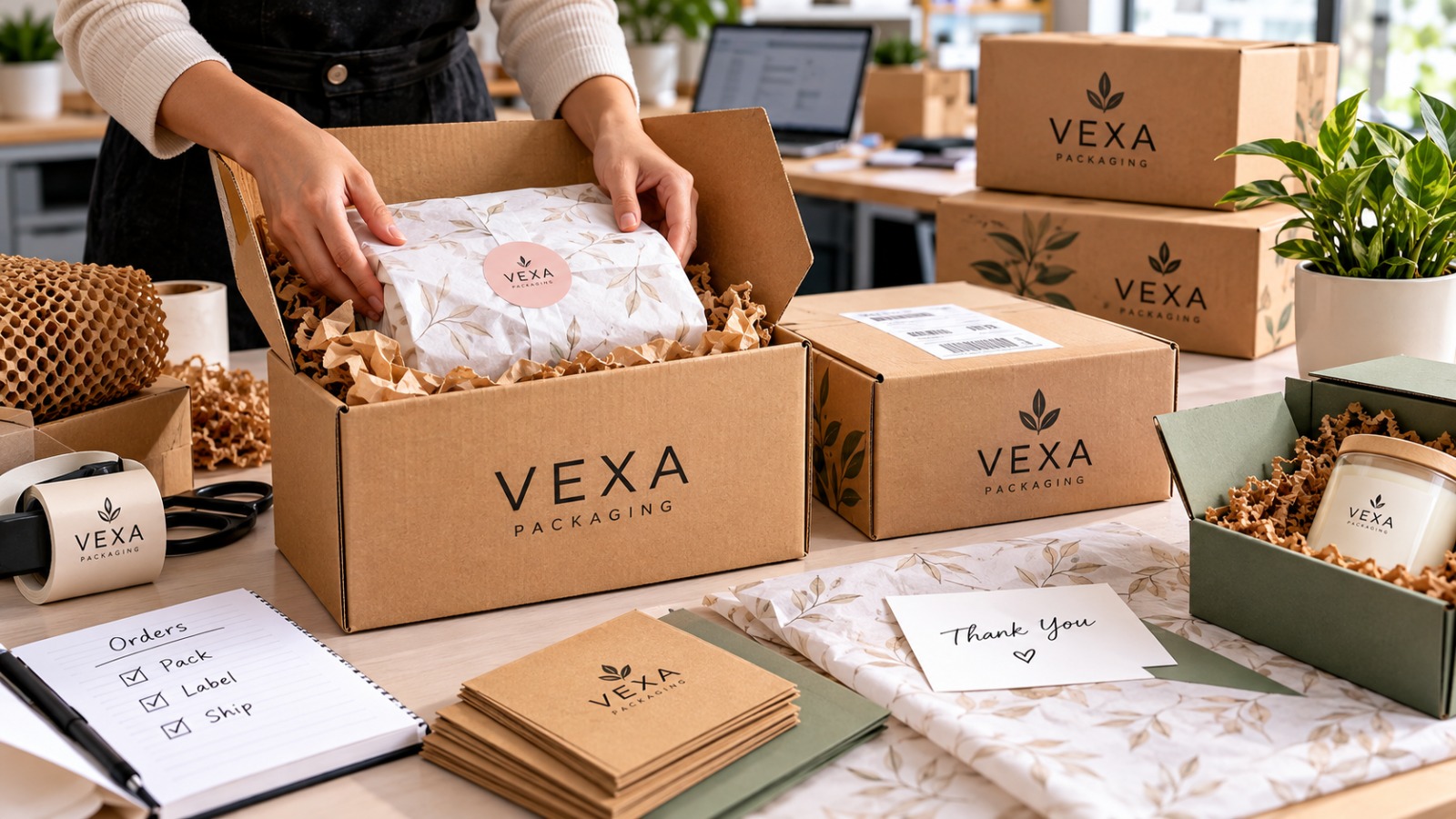
Neatly arranged items, easy-to-open boxes, clear labels, and a simple thank-you card can make an order feel thoughtful. Businesses do not need excessive decorations to create a positive experience. Often, clean presentation and attention to detail are enough.
The goal is to make opening the package convenient, enjoyable, and consistent with the brand's identity.
4. Consider Sustainable Packaging Choices
Customers and businesses are paying greater attention to packaging waste. Small businesses can review their packaging processes to identify unnecessary materials and opportunities for improvement.
Practical steps include choosing appropriately sized boxes, reducing excessive filler, considering recyclable materials accepted by local recycling systems, and avoiding unnecessary packaging layers.
Sustainability should be balanced with product protection. The most suitable option depends on the product, delivery conditions, material availability, and local recycling infrastructure.
5. Use Packaging to Support Customer Loyalty
A positive customer experience can help a business build lasting relationships. Packaging contributes to that experience by showing that the business has considered how products are presented and delivered.
Clear branding, reliable protection, and a consistent presentation can make a business more memorable. Small details should support the customer rather than add complexity or unnecessary cost.
Businesses can also collect customer feedback to understand whether packaging is easy to open, protects products effectively, and matches expectations.
6. Balance Design With Budget
Small businesses do not need expensive packaging to appear professional. Instead, they should identify the details that matter most to their customers.
Start by comparing material costs, shipping expenses, product damage rates, and customer feedback. Test a few packaging options before committing to a large order.
A simple, well-fitted box with consistent branding may be more practical than an elaborate design that increases costs without improving the customer experience.
Finding the Right Packaging Solution
Choosing packaging requires balancing visual appeal, durability, cost, and practical requirements. Businesses exploring custom packaging options can visit Vexa Packaging to learn more about packaging solutions that support product presentation and brand identity.
Before selecting a solution, consider the product's dimensions, shipping method, target audience, budget, and any material or sustainability requirements.
Conclusion
Smart packaging design is more than decoration. It helps protect products, communicate brand identity, support a memorable unboxing experience, and create consistency across customer interactions.
By choosing suitable materials, maintaining a clear visual identity, reducing unnecessary packaging, and testing designs before scaling up, small businesses can make practical improvements without overspending.
The strongest packaging strategy is one that serves the product, meets customer expectations, and supports the business's long-term goals.
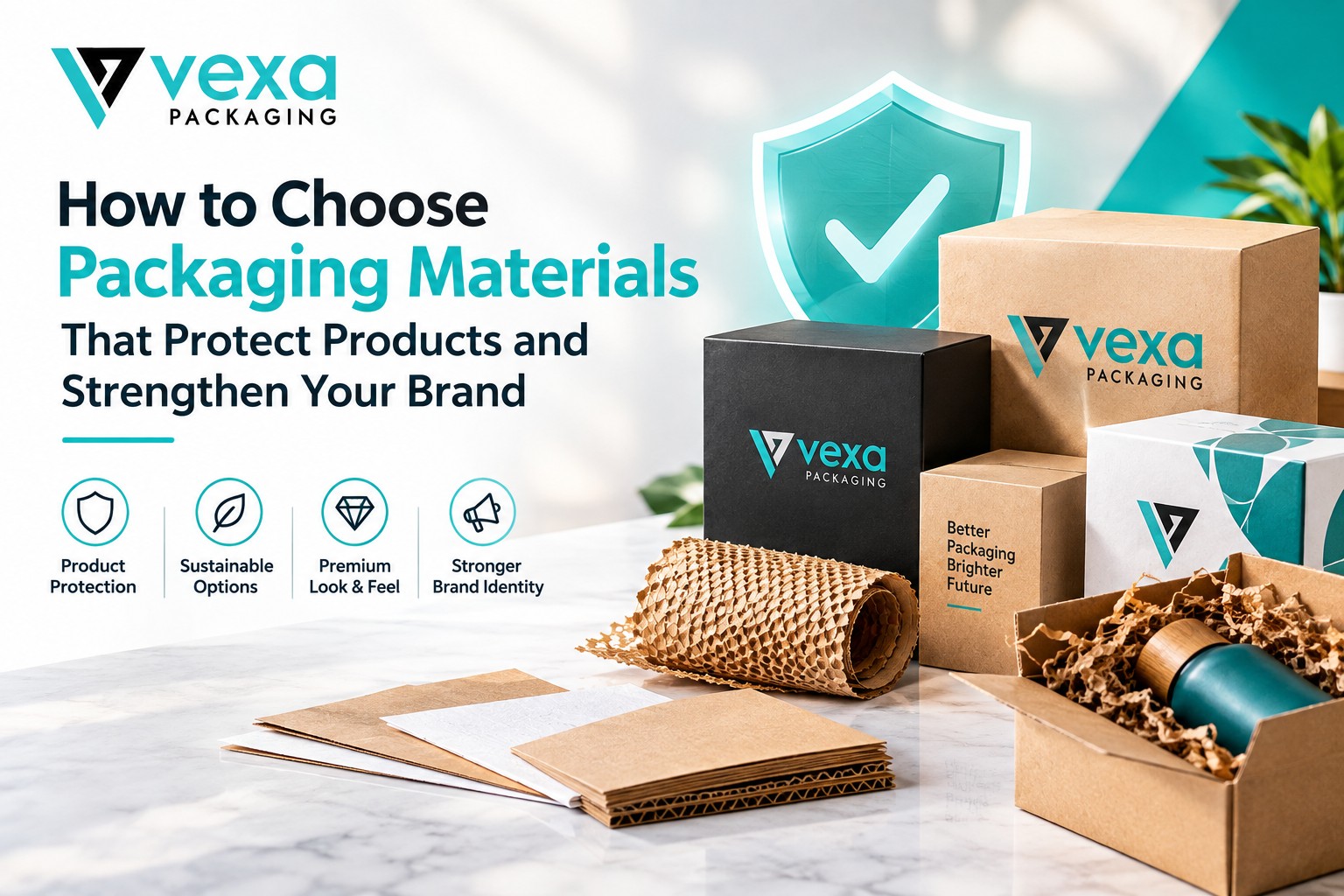



Responses (0)