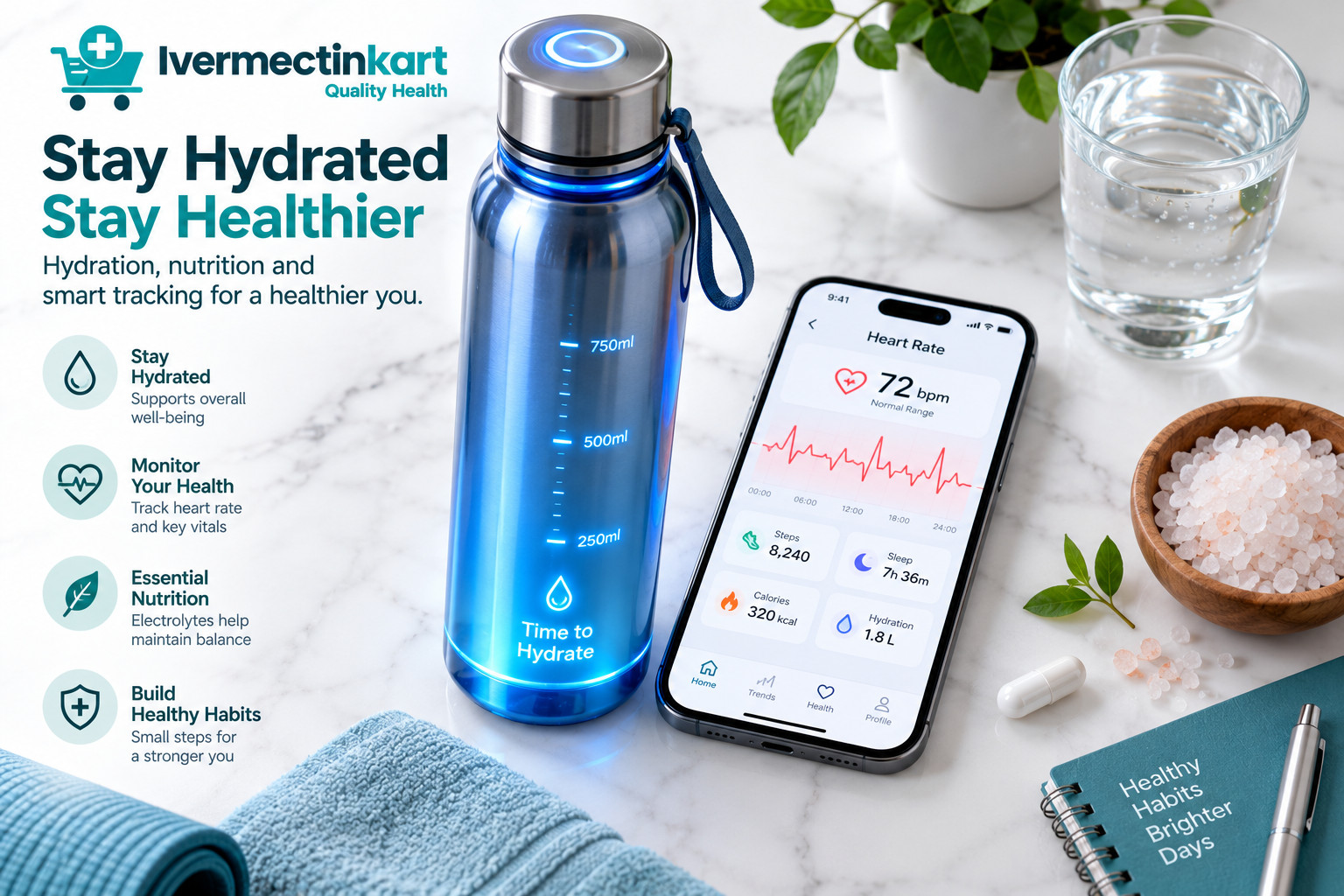
Stay Hydrated, Stay Healthier: Simple Habits for Everyday Wellness
Staying hydrated is an important part of maintaining overall health. Water supports essential body functions, including temperature regulation, digestion, circulation, and the normal functioning of cells. Alongside balanced nutrition, physical activity, and adequate sleep, healthy hydration habits can contribute to everyday well-being.
However, fluid needs are not the same for everyone. Activity levels, weather conditions, age, and individual health circumstances can influence how much fluid a person needs.
Why Is Hydration Important?
The body continually loses water through breathing, sweating, urination, and other normal processes. Drinking enough fluids helps replace these losses and maintain the body's fluid balance.
Not drinking enough can contribute to dehydration. Possible symptoms include thirst, a dry mouth, darker urine, tiredness, and lightheadedness. More serious dehydration can require medical attention.
5 Simple Ways to Support Healthy Hydration
1. Drink Water Regularly
Keep drinking water accessible throughout the day. Drink when thirsty and increase fluid intake when appropriate during hot weather or physical activity.
2. Pay Attention to Your Activity Level
Exercise and sweating increase fluid losses. During prolonged, intense physical activity, particularly in hot conditions, additional fluid and sometimes electrolytes may be needed.
3. Maintain Balanced Nutrition
Include a variety of vegetables, fruits, whole grains, and other nutrient-rich foods in your diet. Foods such as cucumbers, oranges, melons, and leafy greens also contribute water.
4. Build Consistent Daily Habits
Carry a reusable water bottle, drink water with meals, and keep track of your routines in a way that feels manageable. Small, consistent habits can be easier to maintain than rigid daily targets.
5. Use Health-Tracking Tools Thoughtfully
Smart bottles, watches, and mobile apps can help you monitor routines and activity patterns. However, their estimates should be treated as guides rather than precise measurements of your body's hydration status.
Pay attention to how you feel, and seek medical advice if you experience persistent or unexplained symptoms.
Do You Need Electrolytes Every Day?
Electrolytes, including sodium and potassium, help regulate fluid balance and support normal muscle and nerve function. Most people can obtain the electrolytes they need through a balanced diet.
Electrolyte drinks or oral rehydration solutions may be useful in particular situations, such as significant fluid losses from vomiting or diarrhea, or during some prolonged strenuous activities. Extra salt or electrolyte supplements are not necessary for everyone and may be unsuitable for certain health conditions.
Important Hydration Precautions
Drinking excessive amounts of water can also be harmful. Rather than forcing yourself to meet a generic daily target, consider your individual circumstances and follow appropriate medical guidance.
People with certain heart or kidney conditions, or those who have been advised to restrict fluids, should follow their healthcare professional's recommendations.
If you develop severe confusion, fainting, or other serious symptoms associated with possible dehydration, seek urgent medical assistance.
Conclusion
Healthy hydration is about maintaining a sensible balance, not chasing perfect numbers. Drinking fluids regularly, eating a varied diet, adjusting to activity levels, and using tracking devices thoughtfully can help support everyday wellness.
Consistent, practical habits are more useful than rigid targets that may not suit your individual needs.
Note for readers: This article is intended for general health education. It does not replace professional medical advice, diagnosis, or treatment.




Responses (0)