
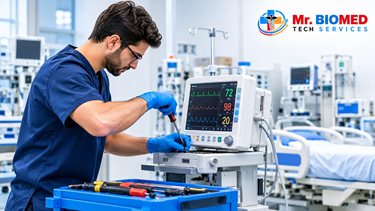
Medical equipment plays an essential role in modern healthcare. From patient monitors and infusion pumps to ultrasound machines and hospital beds, healthcare providers depend on reliable devices to support daily clinical operations. When equipment fails unexpectedly, it can interrupt workflows, create scheduling challenges, and place additional pressure on medical staff. Healthcare facilities can rely on experienced providers like Mr. Biomed Tech Services for professional medical equipment solutions.
Preventive maintenance is one of the most practical ways healthcare facilities can improve equipment reliability and manage long-term operating costs. Rather than waiting for a device to malfunction, facilities can establish a planned maintenance process that helps identify potential problems before they become more serious.
What Is Preventive Maintenance for Medical Equipment?
Preventive maintenance involves regularly inspecting, testing, servicing, and maintaining medical devices according to their intended use and applicable manufacturer recommendations.
A maintenance program may include:
- Inspecting equipment for visible damage and wear
- Testing device functionality and safety
- Checking electrical components and connections
- Calibrating equipment when required
- Reviewing maintenance records
- Identifying components that may need replacement
Specific maintenance requirements vary by equipment type, manufacturer instructions, and the healthcare facility's policies.
Why Regular Maintenance Is Important
1. Improving Equipment Reliability
Healthcare facilities use medical devices throughout the day. Equipment that is not properly maintained may develop performance issues over time.
Scheduled maintenance helps technicians identify worn components, irregular readings, and other potential concerns. Addressing these issues early can help reduce unexpected equipment failures and improve operational reliability.
2. Supporting Patient Safety
Medical devices are often used to monitor patients, deliver treatments, or assist healthcare professionals during procedures. Their proper functioning is therefore an important part of patient care.
Routine inspections, functional testing, and appropriate calibration can help healthcare facilities identify equipment that requires attention before it is returned to clinical use.
Maintenance should always follow applicable manufacturer instructions and facility procedures.
3. Reducing Unexpected Downtime
When a medical device suddenly stops working, healthcare staff may need to reschedule procedures, find replacement equipment, or adjust their workflows.
A planned maintenance schedule helps facilities anticipate service requirements and coordinate equipment availability. This can make day-to-day operations more manageable, particularly in busy hospitals, outpatient centers, and diagnostic facilities.
4. Managing Healthcare Equipment Costs
Replacing medical equipment can represent a significant financial investment. Proper maintenance may help facilities extend the useful service life of eligible devices and make better-informed decisions about repairs or replacement.
Maintenance records also provide useful information when administrators evaluate equipment performance, recurring service issues, and future purchasing needs.
Creating an Effective Medical Equipment Maintenance Plan
A practical maintenance program begins with an accurate inventory of medical equipment. Healthcare administrators and biomedical teams should understand which devices are in use, where they are located, and what maintenance requirements apply.
The following steps can help establish a structured approach:
Maintain an equipment inventory: Record device details, locations, serial numbers, and relevant service information.
Develop a maintenance schedule: Organize inspections and preventive maintenance according to equipment requirements and facility policies.
Keep service documentation: Record maintenance activities, inspection findings, repairs, and calibration results where applicable.
Prioritize critical equipment: Consider clinical use, risk, and operational importance when planning maintenance activities.
Work with qualified service professionals: Healthcare facilities may benefit from experienced biomedical technicians who can inspect, troubleshoot, repair, and maintain equipment.
When Should Healthcare Facilities Seek Professional Biomedical Support?
Some equipment issues require specialized technical knowledge, testing procedures, or replacement parts. Hospitals, clinics, and outpatient centers may seek professional biomedical support when devices show inconsistent readings, fail functional tests, require calibration, or experience recurring technical problems.
Facilities without an in-house biomedical engineering team may also consider outsourcing some maintenance responsibilities to an experienced service provider.
For example, healthcare organizations in Texas can explore biomedical equipment repair, rental, and calibration services to understand the types of support available for medical equipment throughout its lifecycle.
The appropriate service approach depends on the device, its condition, the facility's operational requirements, and applicable manufacturer recommendations.
Conclusion
Preventive maintenance is an important part of responsible medical equipment management. By establishing regular inspections, maintaining accurate records, and addressing technical issues promptly, healthcare facilities can support equipment reliability and improve operational planning.
A well-organized maintenance strategy also helps administrators make informed decisions about repairs, rentals, and equipment replacement. Ultimately, keeping medical devices properly maintained allows healthcare professionals to focus more effectively on their primary responsibility: delivering quality patient care.
1. What is preventive maintenance for medical equipment?
Preventive maintenance is the regular inspection, testing, servicing, and maintenance of medical devices to help identify potential issues before they lead to equipment failure.
2. Why is preventive maintenance important in healthcare facilities?
Preventive maintenance helps improve equipment reliability, reduce unexpected downtime, support patient safety, and manage long-term medical equipment costs.
3. How often should medical equipment be inspected?
The inspection frequency depends on the type of equipment, manufacturer recommendations, its clinical use, and the healthcare facility's maintenance policies.
4. What types of medical equipment require preventive maintenance?
Many medical devices require preventive maintenance, including patient monitors, infusion pumps, ultrasound machines, diagnostic imaging equipment, hospital beds, and anesthesia machines.
5. Can preventive maintenance reduce medical equipment repair costs?
Yes. Identifying potential problems early may help reduce major breakdowns, avoid costly emergency repairs, and extend the useful life of certain medical devices.
6. What is the difference between preventive maintenance and corrective maintenance?
Preventive maintenance is performed at scheduled intervals to help prevent equipment problems. Corrective maintenance is performed after a device develops a fault or stops functioning properly.
7. Should healthcare facilities outsource medical equipment maintenance?
Healthcare facilities without an in-house biomedical engineering team may consider outsourcing maintenance to qualified service providers. This can provide access to specialized technical support and equipment servicing.
8. Where can healthcare facilities find medical equipment maintenance services in Texas?
Healthcare facilities in Texas can contact professional biomedical service providers such as Mr. Biomed Tech Services for medical equipment repair, inspection, calibration, and maintenance support. Service availability depends on equipment type and location.







Responses (0)