
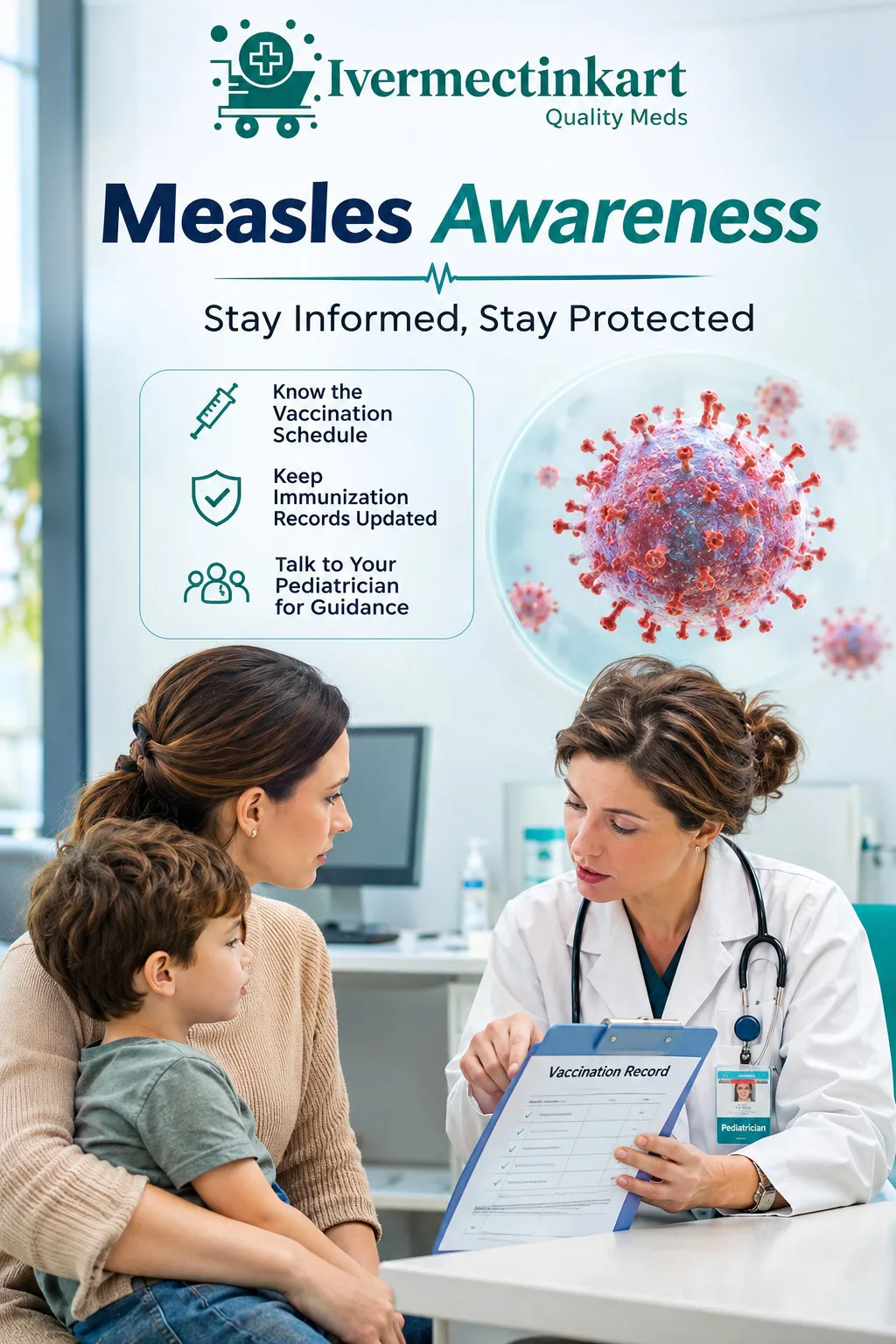
Measles Awareness: Why Vaccination and Childhood Immunization Records Matter
Measles is a highly contagious viral disease that can cause serious health complications, particularly in young children. Although it is preventable through vaccination, measles remains an important public health concern.
Understanding how measles spreads, recognizing its symptoms, and maintaining accurate vaccination records can help families make informed decisions about their children's health.
What Is Measles?
Measles is an infectious disease caused by a virus. It spreads through the air when an infected person coughs or sneezes. Because the virus is highly contagious, people without immunity can become infected easily.
Common symptoms include:
- High fever
- Persistent cough
- Runny nose
- Red and watery eyes
- Small white spots inside the cheeks
- A red skin rash that usually starts on the face and spreads across the body
Symptoms generally begin 7–14 days after exposure. Measles can sometimes lead to serious complications, including pneumonia, ear infections, and inflammation of the brain.
3 Important Steps to Protect Your Family
1. Know the Vaccination Schedule
Vaccination is the most effective way to prevent measles. The measles vaccine is commonly administered as part of the MMR vaccine, which protects against measles, mumps, and rubella.
Parents should follow their country's recommended childhood immunization schedule and consult a pediatrician about any missed or delayed vaccinations.
2. Keep Immunization Records Updated
Maintaining accurate vaccination records helps parents and healthcare professionals understand which vaccines a child has received and whether additional doses may be needed.
Keep vaccination cards and medical records accessible, and update them after every immunization appointment.
3. Talk to Your Pediatrician
A pediatrician can answer questions about measles prevention, vaccination eligibility, missed doses, and possible symptoms.
If you suspect that your child has measles, contact a healthcare professional before visiting a clinic. This allows medical staff to arrange appropriate precautions and reduce exposure to others.
Why Measles Awareness Matters
Measles prevention is not just an individual responsibility. Maintaining high vaccination coverage helps protect communities, including infants and people who cannot receive certain vaccines for medical reasons.
Parents, healthcare professionals, and communities all play an important role in promoting childhood immunization and preventing infectious disease outbreaks.
Final Thoughts
Protecting children starts with awareness and informed healthcare decisions. Understanding the vaccination schedule, maintaining immunization records, and discussing concerns with a pediatrician are meaningful steps toward measles prevention.
Stay informed. Keep vaccination records updated. Help protect your family.
Published by: IvermectinKart – Quality Meds
Disclaimer: This article is intended for general healthcare education and awareness. It does not replace professional medical advice, diagnosis, or treatment.






Responses (0)