
Slow, Deep Breathing for Relaxation: A Simple Guide to Everyday Wellness
Modern life often involves long working hours, digital distractions, busy schedules, and daily responsibilities. These demands can make it difficult to find moments of calm.
One simple wellness practice that can fit into a daily routine is slow, comfortable breathing.
Breathing exercises are commonly used as relaxation techniques. When practiced gently, they can help some people feel calmer and become more aware of their breathing patterns.
1. How Slow Breathing Supports Relaxation
Breathing is an automatic process, but we can also consciously adjust its pace.
Slow, comfortable breathing can encourage relaxation and help some people manage everyday stress.
Potential benefits include:
- Supporting a feeling of calm.
- Encouraging relaxation before bedtime.
- Helping develop mindfulness.
- Providing a short mental break during busy days.
- Supporting a consistent relaxation routine.
Breathing exercises are not a substitute for medical treatment, but they can be a useful addition to general wellness habits.
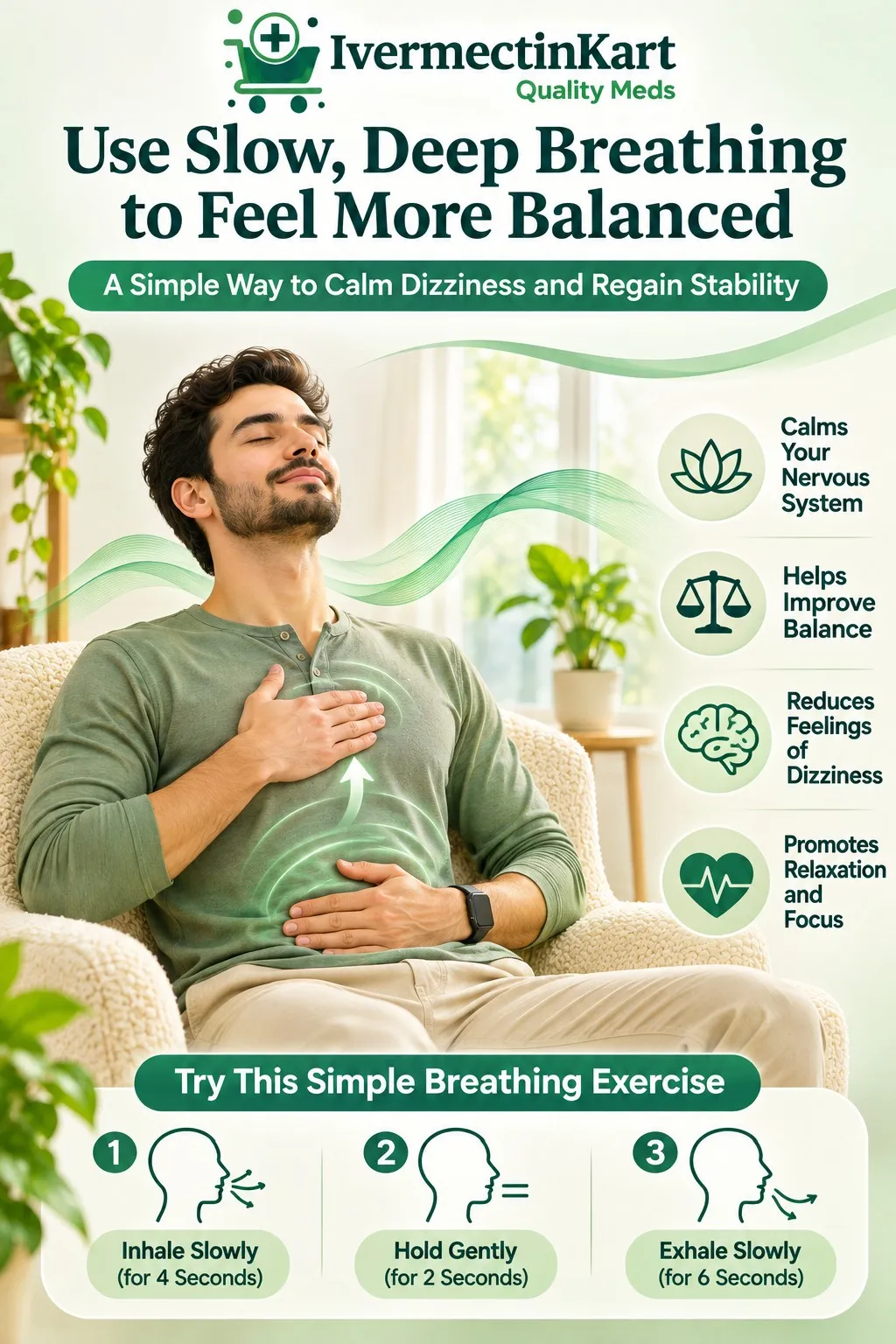
2. Try This Simple Three-Step Breathing Exercise
You do not need special equipment or an expensive wellness product.
Find a comfortable position and follow these steps:
Step 1: Inhale Slowly
Breathe in gently through your nose for approximately four seconds. Avoid taking an excessively deep breath.
Step 2: Pause Comfortably
If comfortable, pause briefly for approximately two seconds. Do not force yourself to hold your breath.
Step 3: Exhale Slowly
Breathe out gently for approximately six seconds.
Repeat only while comfortable. If you experience lightheadedness, breathlessness, or discomfort, stop the exercise and return to normal breathing.
3. When Can You Practice Slow Breathing?
You can incorporate gentle breathing exercises into different parts of your daily routine.
During the Morning
Spend a few quiet minutes breathing comfortably before beginning your workday.
During Work Breaks
Take a short break from your screen, relax your shoulders, and focus on comfortable breathing.
Before Bedtime
A gentle breathing routine may help you unwind before going to sleep.
4. Understanding the Relationship Between Breathing and Dizziness
Dizziness can have several possible causes, including inner ear disorders, changes in blood pressure, dehydration, medication effects, and other medical conditions.
Stress and anxiety can also contribute to certain sensations of dizziness.
However, breathing exercises do not treat every type of dizziness. Breathing too quickly or too deeply can actually cause lightheadedness in some people.
If dizziness occurs frequently, persists, or affects everyday activities, consult a healthcare professional to identify the underlying cause.
Seek emergency medical care if sudden dizziness occurs with facial drooping, one-sided weakness, difficulty speaking, chest pain, or inability to walk.
5. Build a Consistent Wellness Routine
Small, manageable habits can make it easier to maintain a balanced daily routine.
Consider combining gentle breathing with:
- A consistent sleep schedule.
- Adequate daily hydration.
- Regular physical activity appropriate for your abilities.
- Short breaks during prolonged screen use.
- A comfortable and quiet relaxation environment.
The goal is consistency rather than perfection.
Final Thoughts
Slow, comfortable breathing is a simple relaxation practice that requires very little preparation.
Whether you practice it during a morning break, after work, or before bedtime, it can provide an opportunity to pause and focus on your well-being.
Remember that recurring dizziness deserves proper medical evaluation. Relaxation techniques can complement healthy habits but should never replace appropriate medical care.
IvermectinKart – Quality Meds shares educational information about healthcare, nutrition, and everyday wellness to encourage informed health decisions.
Medical Disclaimer: This article is intended for general educational purposes only. It does not replace professional medical advice, diagnosis, or treatment.









Responses (0)