
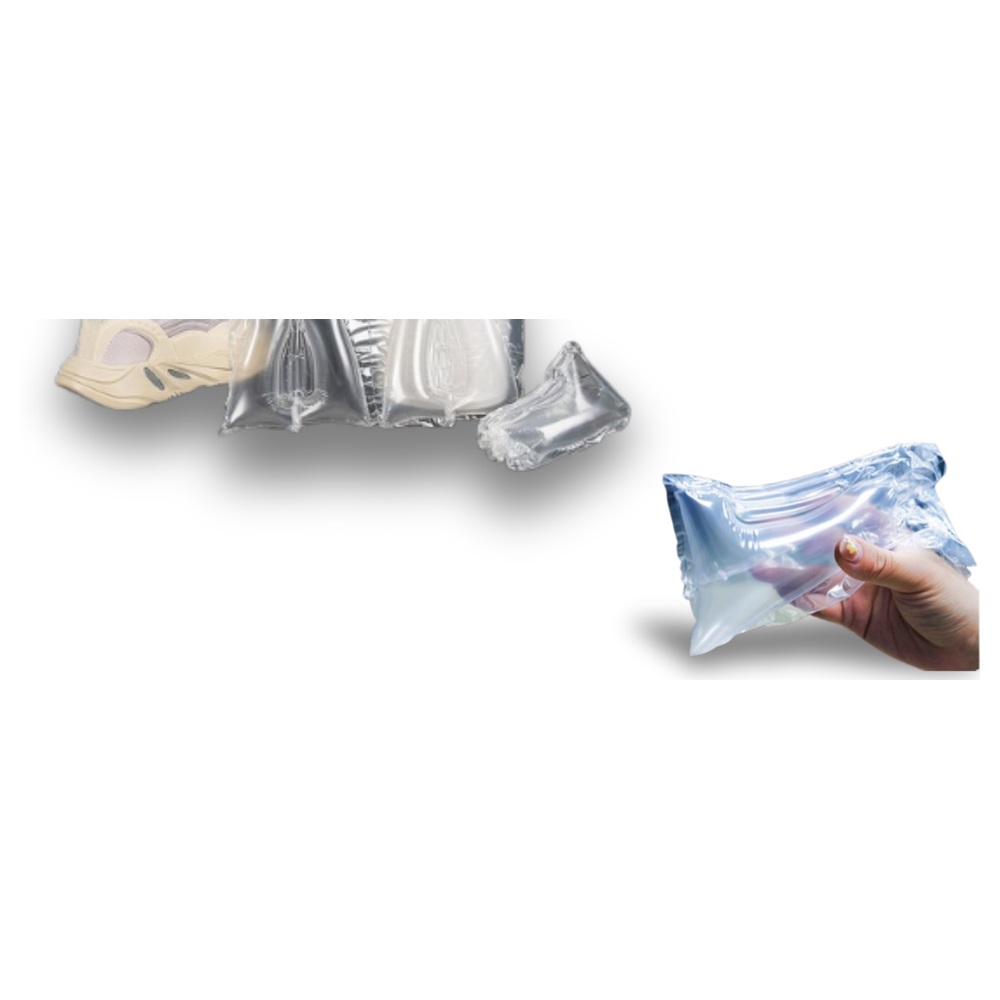
A protective insert can appear strong when pressed by hand and still fail after a shipment moves through several warehouses. Corners experience drops, stacked cartons are compressed and moisture changes the behaviour of some materials. For buyers searching produsen kemasan pelindung Indonesia, the first task is to understand the distribution route and the product's vulnerable points before choosing a foam or formed insert.
Map the hazards. A small item shipped individually through parcel networks sees different handling from a large appliance sent on pallets. Record product weight, dimensions, centre of gravity and the surfaces that cannot tolerate impact or abrasion. Identify accessories that can move inside the box. A package designed only around the outer dimensions may allow internal components to strike one another, producing damage even when the carton remains intact.
Material selection is not a matter of choosing the softest insert. A protective material needs to absorb energy without bottoming out under the expected load, and it must support the product in the right locations. Too much softness can permit unwanted movement; a rigid support can transmit a shock to a fragile surface. The choice depends on product mass, contact area and the likely impact conditions. Samples should be evaluated as part of the complete pack, including the carton and internal restraints.
Humidity and temperature can change the result. Indonesia's supply chains may involve hot warehouses, wet seasons and coastal transit, but the exact exposure depends on route and storage. Some materials change stiffness or dimensional behaviour as conditions vary. A packaging proposal should describe any relevant limitations and the storage requirements for unused inserts. Condensation and water ingress may need solutions beyond the cushioning material itself.
A sensible validation plan includes drop and compression testing appropriate to the product and shipping method. Use an established test standard where applicable, select a representative sample and examine both the package and the product afterward. Do not call a package “passed” simply because the item still turns on. Cosmetic defects, loosened connectors or internal movement may become customer complaints later. Record orientations, loading and damage locations so that the design can be improved intelligently.
An effective packaging test includes packing and unpacking by ordinary staff. The designer may know exactly how a protective insert is meant to sit, but a packer under time pressure can reverse a component or omit a loose pad. Use clear orientation features and minimal assembly steps where possible. Ask the unpacking team whether the product can be removed without scratching its finish or dropping an unsecured accessory. Ease of handling is part of protection.
Keep a small defect library from returned shipments. Photograph damage to the package and product, note the delivery channel and retain the packaging when investigation is required. A consistent corner impact may call for a different support geometry; widespread surface abrasion suggests movement inside the pack. Repairing the design from actual damage patterns is more productive than adding cushioning material indiscriminately.
An importer's specification should identify the complete packed product and the route assumptions. A cushioning insert that passes one drop sequence may perform differently when a pallet is stacked for weeks or exposed to humidity. If the shipment changes from bulk freight to parcel delivery, revisit the test plan. Packaging validation belongs to the distribution system, not to a universal certificate that guarantees zero damage in every possible journey.
Packaging economics include more than material price. Dimensional weight, packing speed, storage space and disposal options affect the total cost. A slightly more expensive insert may allow a smaller carton or reduce damage claims; another may complicate packing and waste handling. Test the chosen design with the workers who pack orders every day. A good protective package is engineered for the trip, not for a shelf display.
The search term “produsen kemasan pelindung Indonesia” covers several possible products or services, so the actual specification and scope should be confirmed before making a selection.
Official website: Huanyu





Responses (0)