Wellness conversations are changing. People are looking beyond complicated routines and exploring simpler ways to care for themselves. Alongside balanced meals, movement, and better rest, traditional plant ingredients are gaining fresh attention. One familiar name appearing on product labels, store shelves, and wellness blogs is ashwagandha.
The growing interest in the ashwagandha supplement category reflects a wider curiosity about herbal products. But popularity does not explain what makes a product useful or suitable. Understanding the plant, the available formats, and the importance of quality can help readers make more thoughtful choices.
A Traditional Plant in a Modern Conversation
Ashwagandha is a plant with a long history of use in traditional Indian wellness practices. Its roots have been used in various preparations, and its name remains familiar to people interested in herbal traditions. Today, that history is meeting a different world of convenient packaging, online shopping, and busy schedules.
Interest in ashwagandha herbs often begins with curiosity about where the ingredient comes from and how people have used it over time. Traditional knowledge gives the plant cultural significance, but it does not automatically confirm every marketing claim. Learning the background is a good starting point, not a reason to skip careful product selection.
Why People Are Noticing Ashwagandha
Several changes are helping introduce ashwagandha to new audiences. Consumers increasingly read ingredient lists, compare products, and ask questions about what they include in their routines. They may also be drawn to the idea of familiar plant ingredients presented in accessible forms.
Social media has made herbal products more visible, although short videos and testimonials often leave out important context. A product that suits one person may not suit another. The most helpful approach is to separate general interest from personal expectations and remember that no supplement replaces the foundations of everyday wellbeing.
Ashwagandha Capsules: Simple and Convenient
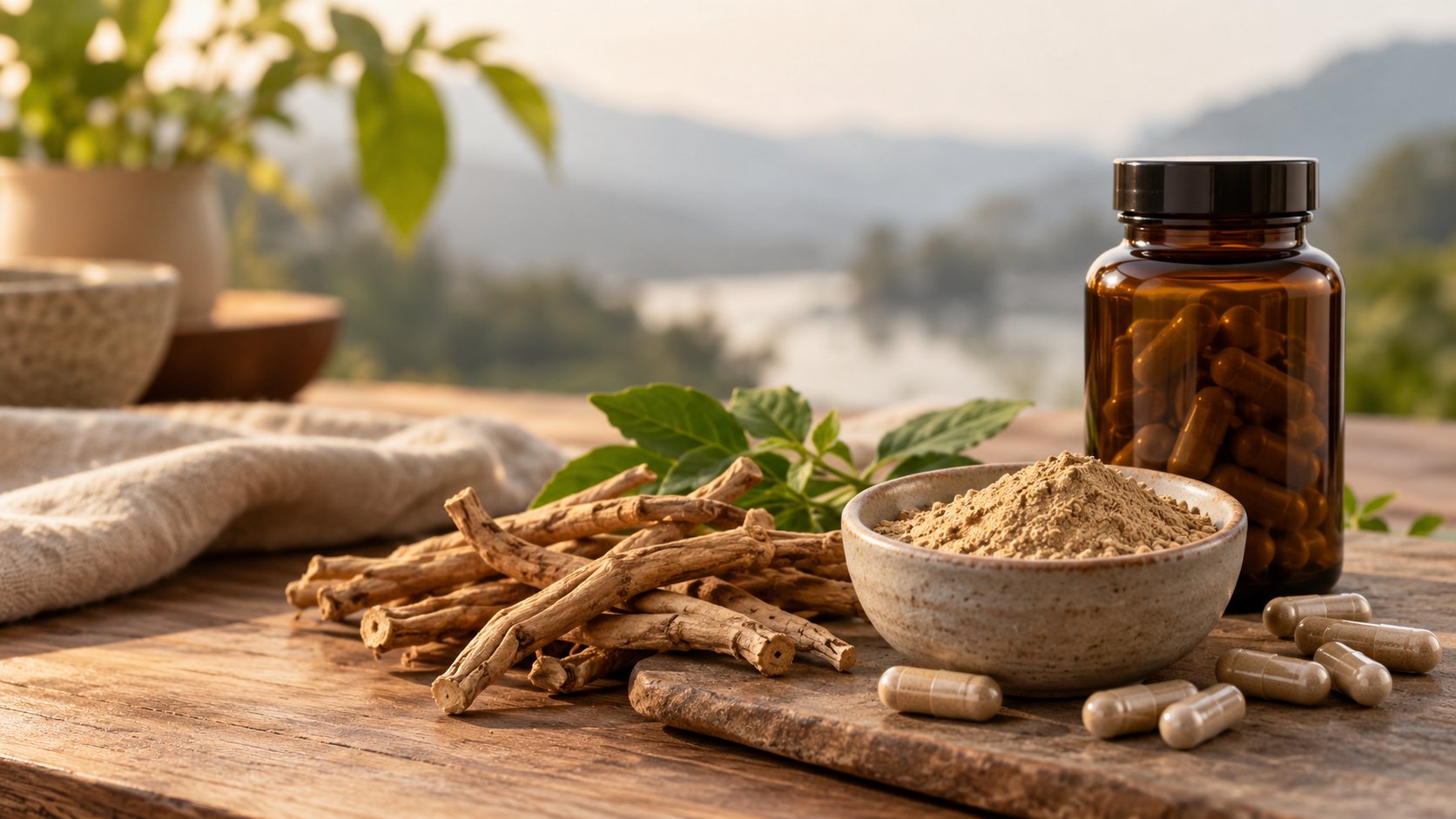
For shoppers, ashwagandha capsules offer an easy introduction to the category. Capsules are portable, require little preparation, and usually come with clear serving instructions. They may appeal to people who dislike strong herbal flavors or prefer a product that fits neatly into an established routine.
However, not all capsules contain the same type or amount of ingredient. Some use ground root, while others include extracts. Additional ingredients may be present. Reading the label carefully is more valuable than choosing a product based on packaging design or the number printed on the front.
Convenience matters, but it should work alongside transparency.
Ashwagandha Powder: A Flexible Alternative
Ashwagandha powder offers a different experience. It can be measured and mixed into suitable foods or drinks, which may interest people who prefer preparing their own blends. Its earthy, slightly bitter taste is noticeable, so flavor preferences can influence how enjoyable the experience feels.
Powders also vary. Some are made from dried, ground plant material, while others are powdered extracts. These are not necessarily interchangeable. Directions on the package help users understand what they are buying and how the producer intends it to be used.
For anyone considering powder, freshness, moisture protection, and storage deserve attention. A tightly closed container and the manufacturer's instructions can help protect product quality.
What Makes a Quality Product Stand Out?
As more products enter the market, quality information becomes increasingly important. A trustworthy label should make it easy to identify the ingredient, the amount per serving, the suggested use, and any added ingredients. Details about the plant part used can also help shoppers compare options.
Manufacturing practices matter as well. Brands should be able to explain how ingredients are sourced, handled, and checked for quality. Clear information about testing and product consistency can inspire more confidence than dramatic promises or trendy slogans.
Look for realistic descriptions rather than sweeping statements about guaranteed results. A responsible company should explain its product in plain language and avoid presenting traditional uses as proven outcomes for everyone.
Choosing a Format That Fits Your Needs
The best format is not necessarily the most popular one. Capsules may suit someone who values convenience and dislikes herbal tastes. Powder may appeal to someone who enjoys preparing drinks or experimenting with recipes. Both choices require attention to serving instructions and ingredients.
Think about where the product will be kept, how often it would be used, and whether its taste or preparation requirements suit your lifestyle. Compare brands using the same practical questions instead of assuming that a higher price or stronger sounding description always means better quality.
An ashwagandha supplement should be chosen for clear reasons, not simply because it appears in a trending post.
Keep Wellness Expectations Realistic
With any herbal product, it is important to approach wellness claims thoughtfully. Personal experiences shared online cannot guarantee similar results for others. The effects and suitability of products can differ, and more is not automatically better.
People who are pregnant, have existing health concerns, or take medicines should seek guidance from a qualified healthcare professional before trying ashwagandha. Following label directions also matters. These simple precautions support informed decisions without turning a general wellness interest into a complicated process.
Above all, supplements should be considered alongside healthy habits, not as shortcuts around them. Food, sleep, movement, and daily routines remain important parts of wellbeing.
The Future of Ashwagandha in Everyday Wellness
As shoppers become more selective, brands have an opportunity to focus on what genuinely helps customers understand their options. Clear labeling, reliable sourcing, accessible product information, and honest communication can shape the next stage of the category.
The attention around ashwagandha may continue to evolve, but thoughtful choices will always matter more than excitement alone. Whether someone prefers capsules or powder, the goal should be to understand what is inside, why the format works for them, and how to make a responsible decision.
Ashwagandha has found a place in today's wellness conversation because it connects a familiar herbal tradition with modern preferences for convenience and choice. Its lasting appeal will depend not on bold promises, but on quality, clarity, and informed consumers.



Responses (0)